

Sometimes, the numbers tell a story that’s hard to ignore. A recent survey from the American Psychological Association found that 76 percent of adults reported experiencing health impacts from stress in the past month, up from previous years amid ongoing economic and social pressures. This spike underscores a growing need for effective coping strategies. Enter self-regulation techniques supporting stress relief, which empower individuals to manage their emotional and physiological responses more effectively. These methods aren’t just buzzwords; they’re practical tools drawing from psychology and wellness practices, helping people regain balance in a chaotic world. As we navigate 2025’s uncertainties, from workplace demands to personal challenges, understanding and applying these techniques can make a tangible difference in daily life.
1. Deep Breathing Exercises

Start with the breath, that simple yet profound anchor. Deep breathing activates the body’s relaxation response, countering the fight-or-flight mode that stress ignites. Imagine sitting in a quiet room, inhaling slowly through the nose for a count of four, holding for four, then exhaling through the mouth. This isn’t just theory; it’s backed by science. Researchers at Harvard Medical School have shown how such practices lower cortisol levels, the hormone tied to stress.
One woman, reflecting on her routine in an anonymous online account, described it this way: after a grueling day at the office, she turned to deep breathing and felt the tension melt away, like fog lifting from a morning landscape. It’s moments like these that highlight the technique’s accessibility. No special equipment needed, just a few minutes of focused attention. Vary it up: try the 4-7-8 method, where you extend the hold and exhale longer for deeper calm. Over time, this builds resilience, turning reactive stress into manageable waves.
For more on the science, check out this overview from the Harvard Health Publishing.
2. Mindfulness Meditation

What happens when you pause and observe your thoughts without judgment? That’s the essence of mindfulness meditation, a cornerstone of self-regulation supporting relief from overwhelming stress. Apps and guided sessions make it easy to start, but the real power lies in consistency. Picture a middle-aged parent juggling remote work and family duties; a quick 10-minute session midday shifts their perspective, easing the mental clutter.
Studies confirm its benefits. The National Institutes of Health notes that regular practice can rewire brain patterns, reducing anxiety and improving emotional control. It’s not about emptying the mind, which many find impossible, but acknowledging thoughts as they arise and letting them pass. One approach involves body scans, mentally noting sensations from toes to head, grounding you in the present. This technique fosters a sense of agency, reminding us that stress doesn’t have to dictate our reactions.
Dive into the evidence via the National Center for Complementary and Integrative Health.
3. Progressive Muscle Relaxation

Tension builds in the body like a coiled spring, but progressive muscle relaxation offers a systematic release. You tense specific muscle groups one by one, then let go, creating a wave of calm that counters physical stress symptoms. Begin with your fists, clenching tightly for five seconds before releasing; move upward to shoulders, neck, and beyond.
This method draws from early 20th-century techniques developed by physician Edmund Jacobson, and it’s evolved into a go-to for many facing chronic stress. Consider a teacher dealing with classroom chaos: incorporating this into evenings helps her unwind, preventing burnout. The contrast between tension and relaxation heightens awareness, teaching the body to recognize and shed unnecessary strain. It’s particularly useful before bed, promoting better sleep, which in turn bolsters overall self-regulation.
Explore a detailed guide from the Mayo Clinic.
4. Journaling for Emotional Clarity

Words on a page can unravel the knots of inner turmoil. Journaling as a self-regulation technique supporting stress relief involves free-writing thoughts, fears, and gratitudes, often revealing patterns we overlook in the rush of daily life. It’s not about perfect prose; scribble in a notebook or type on a device, aiming for 15 minutes a day.
Research from the University of Rochester shows that expressive writing reduces stress by processing emotions more effectively. Think of it as a dialogue with yourself: one entry might explore a workplace conflict, leading to insights that diffuse anger. A man in his fifties, sharing anonymously online, noted how journaling transformed his approach to retirement anxieties, turning vague worries into actionable steps. This practice builds self-awareness, a key pillar of emotional regulation, and over weeks, it can shift mindsets from reactive to proactive.
5. Physical Activity Integration
Movement isn’t just for fitness; it’s a direct line to stress relief through self-regulation. Whether it’s a brisk walk, yoga, or dancing in the living room, exercise releases endorphins that elevate mood and clear mental fog. The key is consistency, not intensity—aim for activities that feel enjoyable rather than obligatory.
According to the Centers for Disease Control and Prevention, regular physical activity lowers the risk of anxiety and depression. Envision a group of friends in a suburban park, their laughter mixing with the rhythm of steps; such scenes illustrate how movement fosters connection and relief. It regulates the nervous system, balancing hormones disrupted by stress. Start small: a 20-minute routine most days can accumulate profound benefits, helping you respond to challenges with greater poise.
Learn more from the CDC’s Physical Activity Basics.
6. Cognitive Reframing
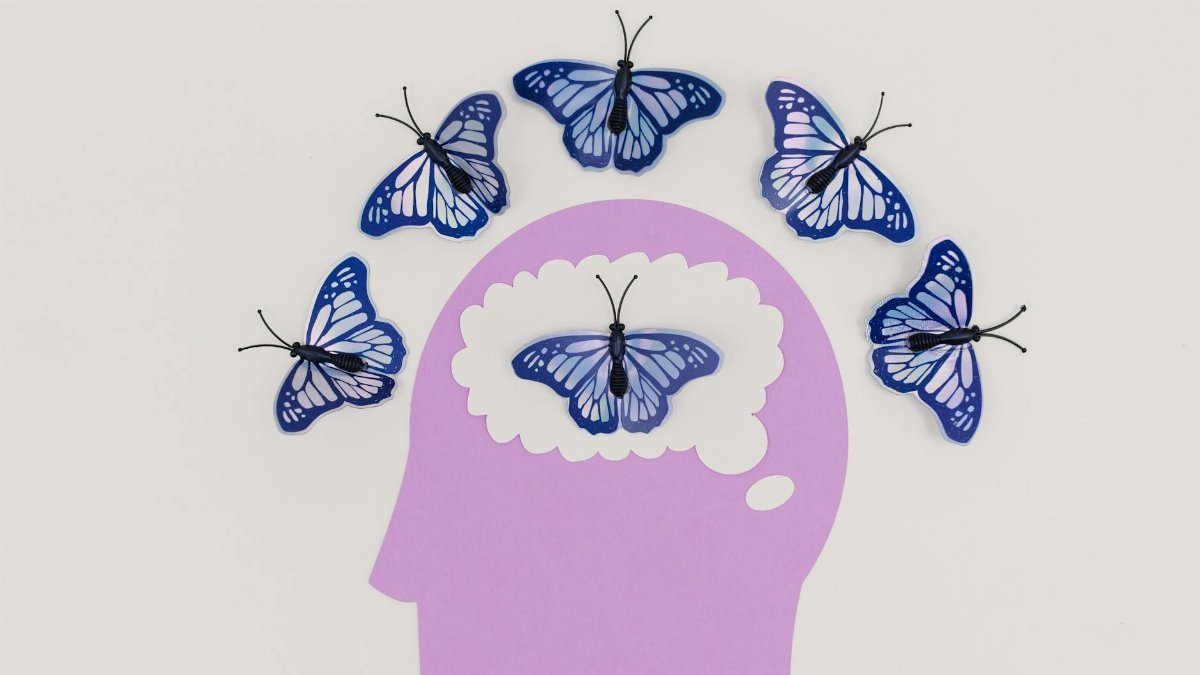
Shift the lens, and the view changes. Cognitive reframing involves challenging negative thought patterns and replacing them with balanced perspectives, a mental tool for self-regulation supporting relief in high-pressure situations. When a setback hits, ask: Is this catastrophe or opportunity? This disrupts the cycle of rumination.
Psychologists at the American Psychological Association highlight how reframing builds resilience. Take a scenario where traffic delays spark frustration; reframing it as time for a podcast turns irritation into productivity. It’s subtle but transformative, drawing from cognitive behavioral therapy principles. Over time, this technique rewires habitual responses, making stress less daunting and more navigable in everyday American life, from commutes to career pivots.
7. Sensory Grounding Techniques

Engage the senses to anchor back to the now. Sensory grounding uses touch, sight, sound, taste, or smell to pull focus from spiraling thoughts, a quick self-regulation method for immediate stress relief. Name five things you see, four you can touch, and so on—it’s a structured way to reset.
This draws from trauma-informed practices and is effective for acute stress moments. A study in the Journal of Anxiety Disorders supports its role in reducing panic. Picture someone in a crowded airport, overwhelmed by delays; focusing on the texture of their bag or the scent of coffee grounds them swiftly. It’s portable and discreet, ideal for middle-aged professionals balancing multiple roles in 2025’s fast-paced environment.
8. Building Support Networks

No one regulates alone effectively forever. Cultivating support networks—friends, family, or communities—amplifies self-regulation by providing external perspectives and emotional buffers against stress. Share burdens through conversations or group activities, turning isolation into shared strength.
The Pew Research Center’s findings on social connections underscore how strong ties correlate with lower stress levels. In one illustrative snapshot, a book club discussion evolves into honest talks about life’s pressures, offering mutual relief. This technique encourages vulnerability, fostering deeper bonds that sustain long-term well-being. It’s about reciprocity: giving support regulates your own emotions too, creating a cycle of collective resilience in an era where individual burnout is rampant.
See related insights from Pew Research Center, though focused on broader trends, it ties into relational health.