
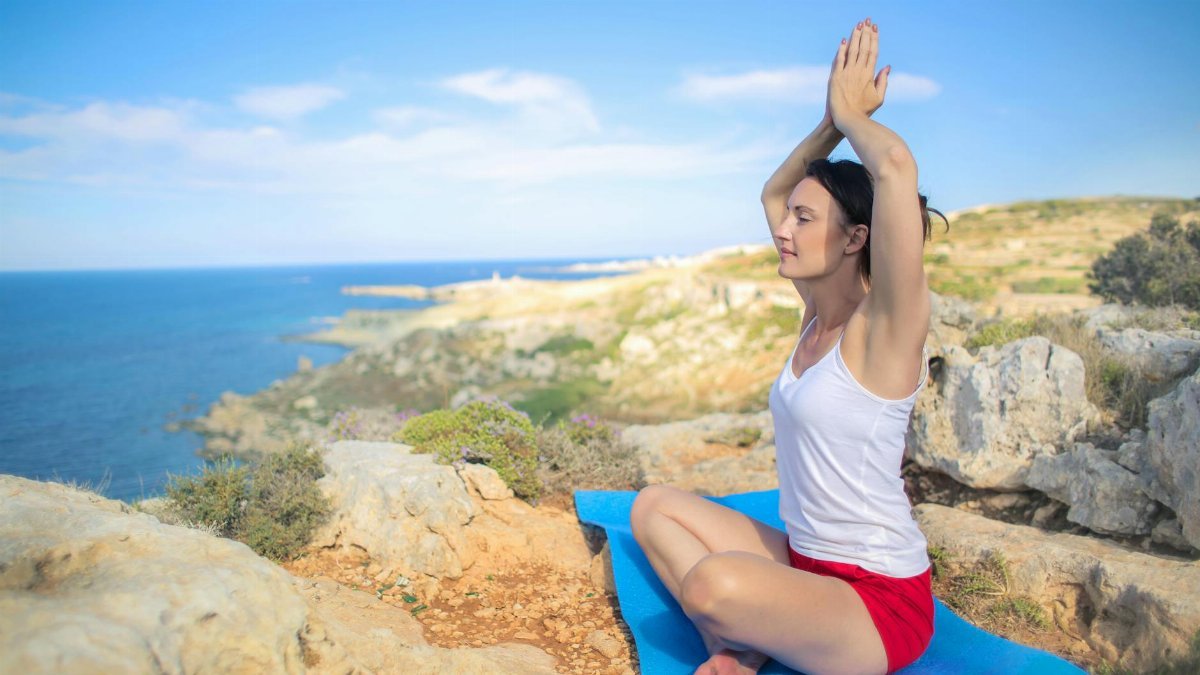
In a fast-paced world, more Americans are turning to somatic practices for mental clarity. New data shows 45% of U.S. adults reported using body-based techniques to combat stress in 2024, up from 30% five years ago, according to a recent survey by the National Center for Complementary and Integrative Health. Clarity, somatic, practices like these focus on tuning into physical sensations to quiet the mind and boost focus. As we head into 2025, experts say this trend is set to grow, offering simple tools for everyday wellbeing without relying on medication or therapy alone.
1. Breath Awareness Meditation
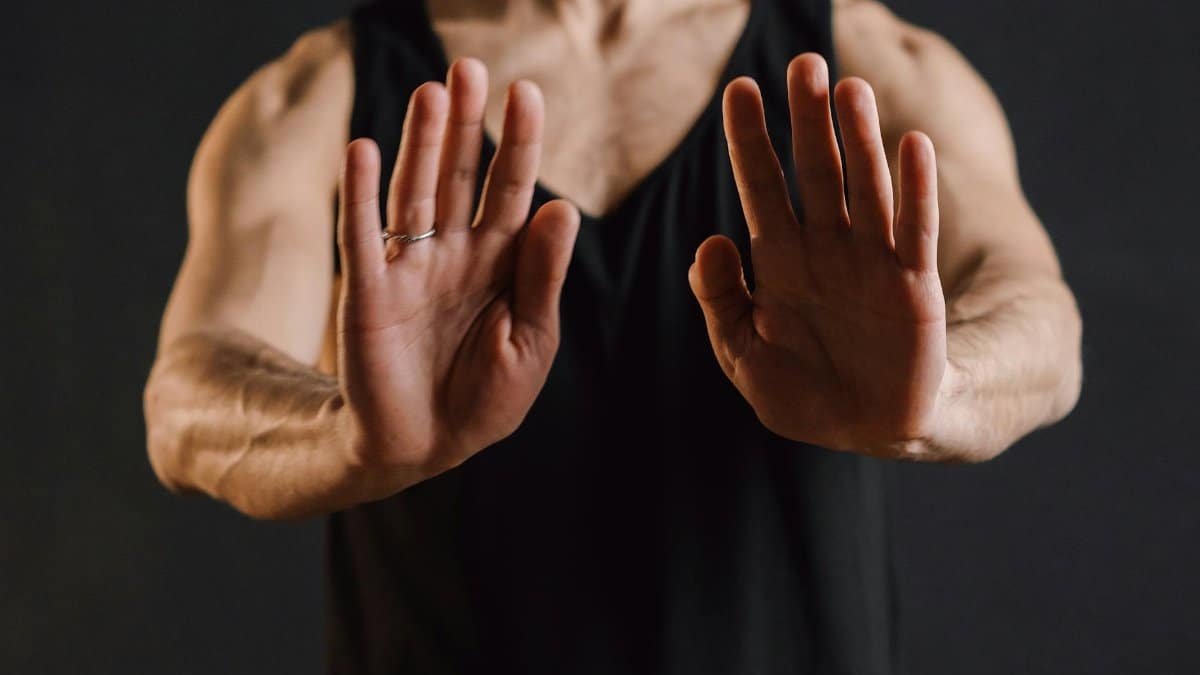
Start with the basics. Breath awareness involves focusing on your inhales and exhales to anchor the mind. This practice grounds you in the present, reducing mental chatter. Practitioners report sharper focus after just 10 minutes daily. A study from Harvard Medical School highlights how controlled breathing activates the parasympathetic nervous system, easing anxiety. It’s accessible anywhere, from your desk to a commute. In 2025, apps are making it easier to integrate into routines.
2. Progressive Muscle Relaxation

Tense and release muscle groups one by one. This method, developed in the 1920s, helps release stored tension that clouds thinking. By scanning the body systematically, you build awareness of physical stress points. Research from the American Psychological Association shows it lowers cortisol levels, leading to clearer decision-making. Try it before bed for better sleep and morning clarity. It’s a go-to for busy professionals seeking quick relief.
3. Yoga Flow Sequences
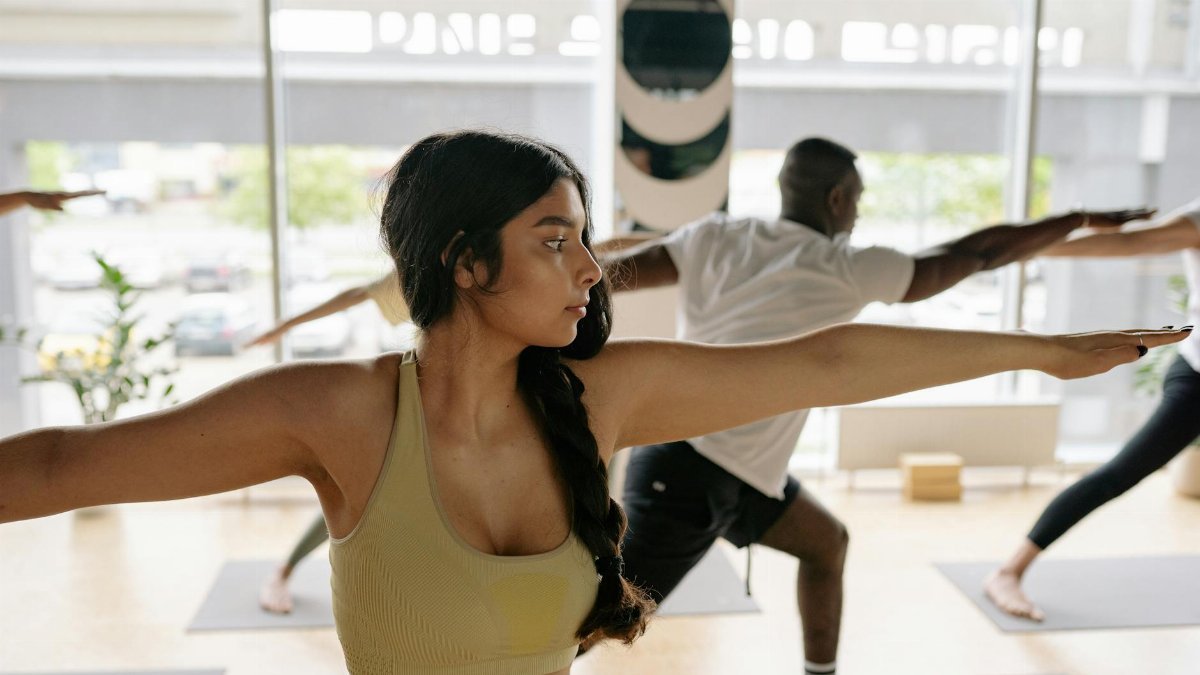
Move through poses that link breath with motion. Yoga isn’t just exercise; it’s a somatic tool for mental sharpness. Flows like sun salutations enhance blood flow to the brain, improving concentration. A 2023 report from the Yoga Alliance notes participants experience reduced brain fog after regular sessions. Studios across the U.S. are adapting classes for clarity-focused outcomes, making it relevant for 2025’s wellness seekers.
4. Body Scan Technique

Lie down and mentally scan from toes to head, noting sensations without judgment. This practice fosters a deeper mind-body connection, dissolving distractions. It’s backed by mindfulness research, with a study in the Journal of Clinical Psychology linking it to improved emotional regulation. For those new to clarity, somatic, practices, this is an entry point that requires no equipment, just quiet time.
5. Grounding Exercises
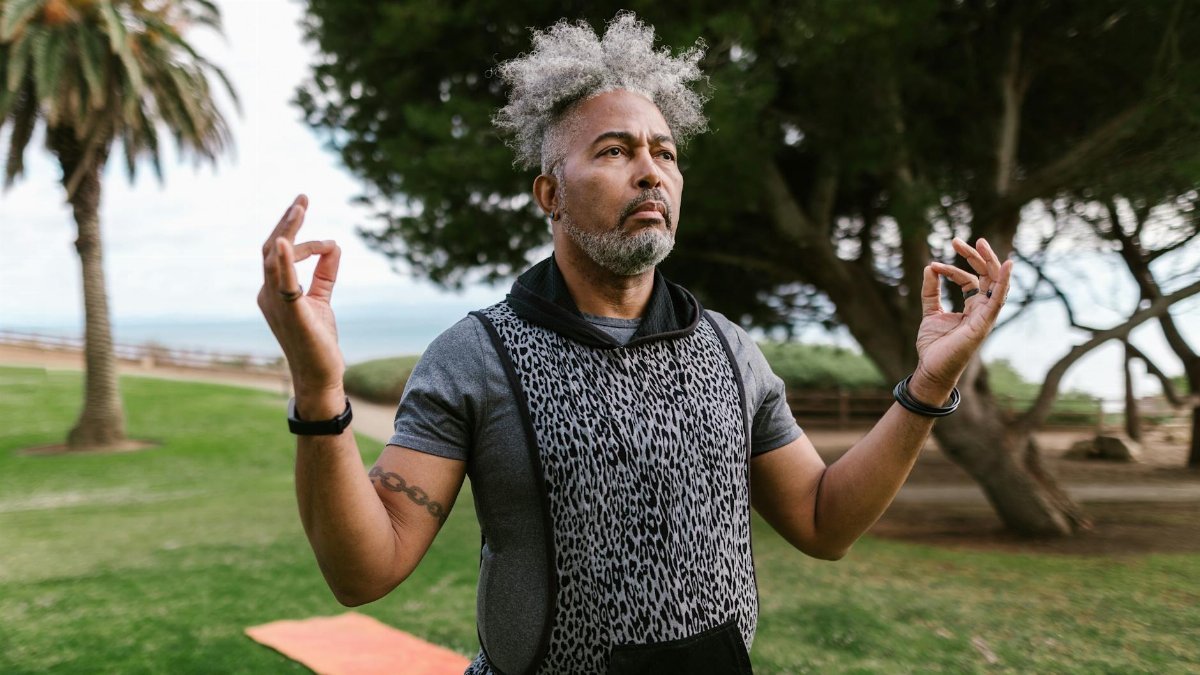
Feel your feet on the earth or press hands against a surface. Grounding reconnects you to the physical world, pulling thoughts from rumination. Therapists recommend it for anxiety spikes. Data from the National Institutes of Health indicates it stabilizes mood by engaging sensory input. In urban settings, where disconnection is common, this practice is gaining traction as a daily reset for mental clarity.
6. Somatic Experiencing Therapy Elements

Incorporate gentle tracking of bodily sensations to process emotions. Developed by Peter Levine, this approach releases trauma held in the body. Users find it clears mental blocks, enhancing focus. A review in Trauma Psychology supports its efficacy for clarity. While full therapy needs a professional, basic elements like noticing shivers or warmth can be self-applied, appealing to self-help enthusiasts in 2025.
7. Tai Chi Movements
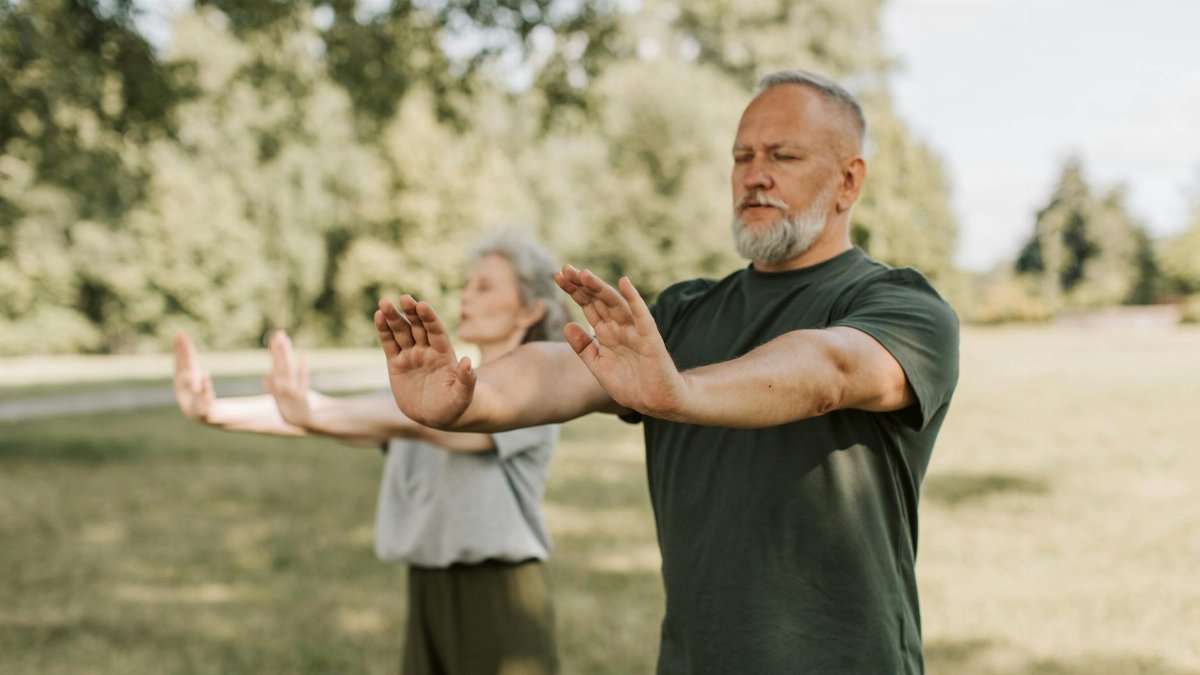
Practice slow, deliberate motions that emphasize balance and flow. Tai Chi, rooted in martial arts, sharpens awareness through gentle exertion. Studies from the Mayo Clinic show it improves cognitive function in adults. It’s low-impact, ideal for all ages, and U.S. community centers are expanding classes. This somatic practice builds resilience against stress, promoting sustained mental clarity.
8. Sensory Awareness Walks

Walk mindfully, tuning into sights, sounds, and textures around you. This engages the senses to quiet internal noise. Environmental psychologists note it enhances presence, reducing overthinking. A study published in the International Journal of Environmental Research and Public Health links nature walks to better mental acuity. As remote work persists into 2025, these walks offer a practical break for recharging focus.
For more on breath techniques, check out Harvard Health Publishing on Relaxation Techniques. Additional insights on yoga’s benefits are available at Yoga Alliance Research Page.