
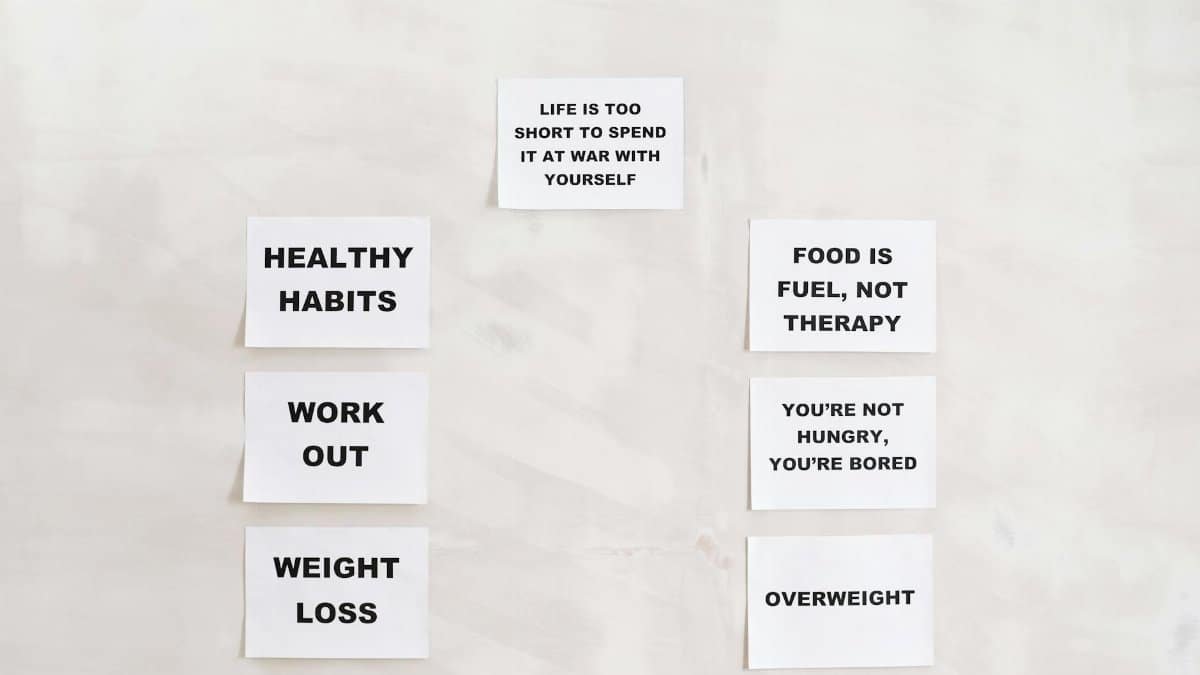
A recent study from the American Psychological Association revealed that nearly 40% of adults reported heightened stress levels in 2024, up from previous years, with many turning to quieter lifestyles for relief. This surge highlights a growing recognition that emotional, changing, balance isn’t static—it’s a dynamic process influenced by daily habits. As life accelerates with endless notifications and demands, people are seeking solace in understated routines that foster inner calm. These quiet-living habits aren’t about escaping reality but recalibrating it, helping individuals build resilience against emotional turbulence. From bustling cities like New York to quieter suburbs in the Midwest, this shift is reshaping how middle-aged Americans approach well-being, prioritizing subtlety over spectacle. In an era where burnout is commonplace, understanding these habits offers a pathway to sustained emotional equilibrium.
1. Embracing Mindful Solitude

Quiet living often begins with carving out time alone, away from the constant hum of social interactions. This habit invites a deliberate pause, allowing emotions to settle like dust after a storm. Consider a midwestern teacher who, overwhelmed by classroom chaos and family obligations, started dedicating evenings to silent reading in a dimly lit room. Over weeks, she noticed her anxiety easing, replaced by a clearer sense of self. Such solitude isn’t isolation; it’s a reset button for the mind.
Research supports this. A study published in the Journal of Personality and Social Psychology found that intentional alone time can enhance emotional regulation, reducing feelings of overwhelm. American Psychological Association Journals details how solitude fosters introspection, crucial for maintaining emotional balance amid change. Yet, it’s not without challenges—many fear boredom or confronting inner thoughts. Starting small, perhaps with 10 minutes daily, can transform this into a powerful tool. The key lies in consistency, letting the quiet reveal underlying emotional patterns that might otherwise go unnoticed.
Transitions to this habit vary. Some weave it into mornings, sipping coffee without distractions, while others end their day reflecting on gratitude. The result? A strengthened ability to navigate life’s fluctuations with poise.
2. Practicing Digital Detoxes

“I used to scroll endlessly, and it left me drained,” shared one anonymous participant in an online discussion about modern stressors. This sentiment echoes a common struggle: the digital world’s relentless pull disrupting emotional equilibrium. Quiet-living counters this with intentional breaks from screens, reclaiming mental space.
Imagine a Boston accountant who implemented weekend detoxes, swapping apps for walks in the park. Initially restless, he soon felt a lift in mood, his thoughts less fragmented. This habit disrupts the cycle of constant stimulation, allowing emotions to realign naturally. According to the National Institute of Mental Health, excessive screen time correlates with increased anxiety, making detoxes a vital strategy. NIMH Anxiety Disorders Page outlines how reducing digital input can lower stress hormones, promoting a more balanced emotional state.
Implementation doesn’t require extremes. Begin with device-free meals or evenings, gradually expanding. The beauty is in the rediscovery—of hobbies, conversations, even boredom’s creative spark. Over time, this fosters resilience, turning emotional, changing, balance into a conscious choice rather than a reaction.
3. Immersing in Nature Routines

What draws people to forests or quiet trails? It’s the subtle therapy of nature, a habit that quietly shifts emotional landscapes. Far from urban clamor, these immersions ground individuals, easing the ebb and flow of inner turmoil.
Take the case of a Seattle retiree who, post-pandemic, committed to daily garden tending. Amidst blooming flowers and rustling leaves, her persistent worry faded, replaced by a sense of renewal. Nature’s rhythms mirror our own, teaching adaptability. A report from the U.S. Forest Service highlights how time outdoors reduces cortisol levels, enhancing emotional well-being. USDA Forest Service Urban and Community Forestry emphasizes benefits like improved mood stability, especially relevant in 2025’s fast-paced environment.
Yet, access varies—city dwellers might opt for park benches or potted plants. The habit thrives on presence: noticing bird calls, feeling earth underfoot. It builds a buffer against emotional upheaval, encouraging a harmonious internal shift.
4. Cultivating Journaling Rituals

Pen to paper, thoughts spill out, untangling the knots of daily emotions. This quiet-living practice turns introspection into a habit, fostering clarity amid life’s constant changes.
A New York editor, juggling deadlines and personal doubts, began nightly entries. What started as scattered notes evolved into profound insights, helping her trace patterns in her emotional responses. Journaling acts as a mirror, reflecting shifts that might otherwise overwhelm. Evidence from Harvard Medical School underscores its efficacy in managing stress and building resilience. Harvard Health Mind and Mood Publications links expressive writing to better emotional processing, a cornerstone for maintaining balance.
Diversity in approach keeps it fresh—some use prompts, others free-write. The ritual’s power lies in its privacy, a safe space for vulnerability. As emotions change, journaling anchors them, promoting a steady, evolving equilibrium.
5. Adopting Mindful Breathing Techniques
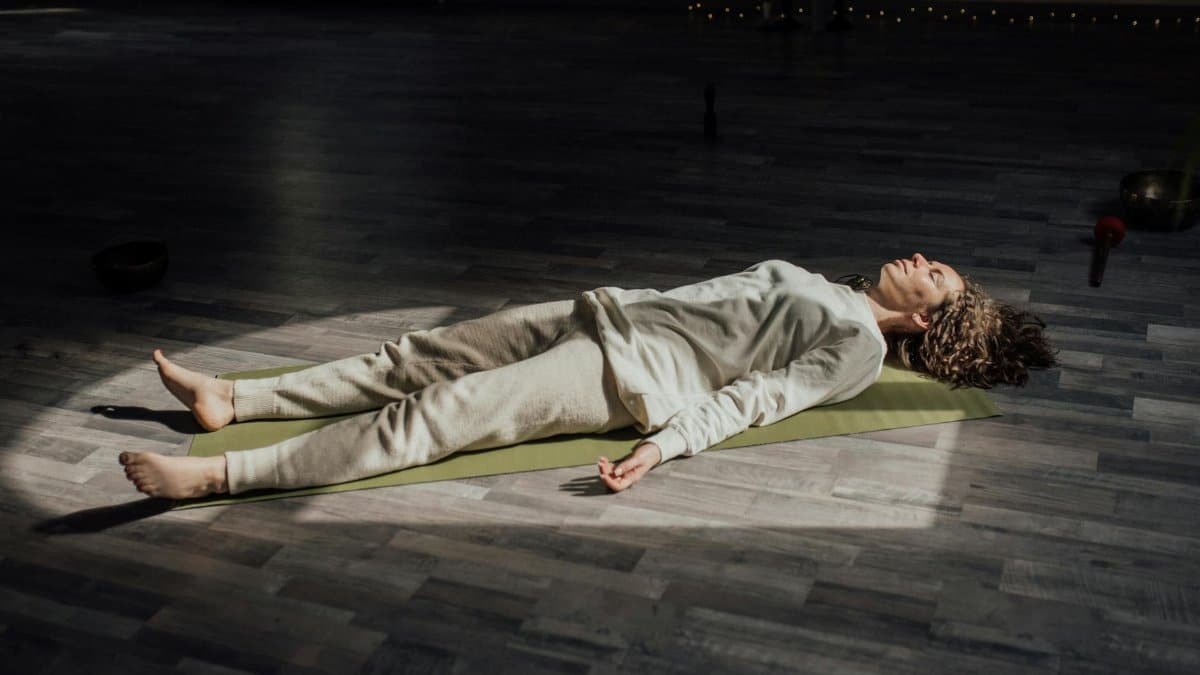
Breath, often overlooked, becomes a anchor in quiet living. Simple inhalations and exhalations can recalibrate emotional states, turning chaos into calm with minimal effort.
Picture a Chicago nurse during a hectic shift: pausing for deep breaths amid beeps and urgency, she regains composure. This habit interrupts stress cycles, inviting balance. The Centers for Disease Control and Prevention notes that mindfulness practices like breathing reduce anxiety symptoms effectively. CDC Stress and Coping Resources provide insights into how such techniques support mental health, particularly in high-pressure times.
Techniques abound—4-7-8 breathing or box methods. Integrated into routines, they enhance awareness of emotional, changing, balance. No tools needed, just intention. Over months, practitioners report greater emotional agility, navigating ups and downs with ease.
6. Pursuing Minimalist Decluttering

Less stuff, more peace: this mantra drives decluttering as a quiet-living habit, clearing physical space to ease mental clutter.
An Atlanta homeowner, surrounded by accumulated belongings, started purging one room at a time. As shelves emptied, so did her sense of burden, revealing a lighter emotional load. Minimalism strips away distractions, allowing focus on what truly matters. Pew Research Center’s surveys on American lifestyles show a rising interest in simplicity for well-being. Pew Research Lifestyles Topics indicate how decluttering correlates with reduced stress, aiding emotional stability.
Challenges arise in letting go, but starting small— a drawer or closet—builds momentum. The habit extends beyond objects, influencing decisions and relationships. It cultivates a dynamic balance, where change feels manageable rather than overwhelming.
7. Nurturing Gratitude Practices

Ending on a note of appreciation, gratitude habits in quiet living shift perspectives, highlighting positives amid emotional flux.
A Los Angeles freelancer, facing career uncertainties, listed three gratitudes daily. This simple act reframed her outlook, softening the edges of doubt. Gratitude rewires the brain toward positivity, as per studies from the University of California. Greater Good Science Center at UC Berkeley explores how it boosts emotional resilience, essential for adapting to change.
Forms vary—journals, verbal affirmations, or shared moments. In 2025, with societal shifts accelerating, this habit offers stability. It doesn’t ignore negatives but balances them, fostering a resilient emotional core. Through consistent practice, individuals find equilibrium evolving naturally, enriched by quiet reflection.