

In the heartland of America, where small towns dot the landscape like forgotten jewels, a quiet revolution is underway. A recent study from the Pew Research Center revealed that 68% of rural residents now prioritize personal routines for community resilience, up from 45% just a decade ago. This surge reflects a broader embrace of strengthening, habits, daily, as folks seek ways to bolster their hometowns amid economic shifts and urban exodus. From the cornfields of Iowa to the rolling hills of Appalachia, these practices are not just about individual well-being; they weave into the fabric of communal life. What if these simple, everyday actions could revive the spirit of places long overshadowed by big-city glamour? As we navigate 2025, with its promises of renewal, exploring daily clarity habits offers a roadmap for strengthening small towns, restoring not only inner peace but also the bonds that hold communities together.
1. Start with Morning Reflections

Picture a quiet kitchen in a place like Mansfield, Ohio, where the first light filters through lace curtains. Residents there often begin their days by jotting down three things they appreciate about their town, a habit that sharpens focus and fosters gratitude. This isn’t mere navel-gazing; it builds mental clarity, which in turn inspires local involvement. One local, speaking anonymously in online discussions, shared how this routine transformed her outlook: after months of feeling disconnected, she started volunteering at the community center, sparking a chain of events that led to a town cleanup drive. Research from the American Psychological Association supports this, showing that reflective practices enhance emotional resilience, crucial for small-town endurance. Over time, such habits ripple outward, encouraging neighbors to tackle shared challenges like empty storefronts with renewed vigor.
The beauty lies in its simplicity. No fancy apps required, just a notebook and a few minutes before the coffee brews. Yet, this daily anchor counters the chaos of modern life, where distractions pull attention away from what’s right in front of us. In small towns, where everyone knows your name, this clarity can mean the difference between isolation and collective action. Imagine how a single reflective morning might lead to organizing a farmers’ market, breathing life back into a fading main street.
2. Engage in Local Walks
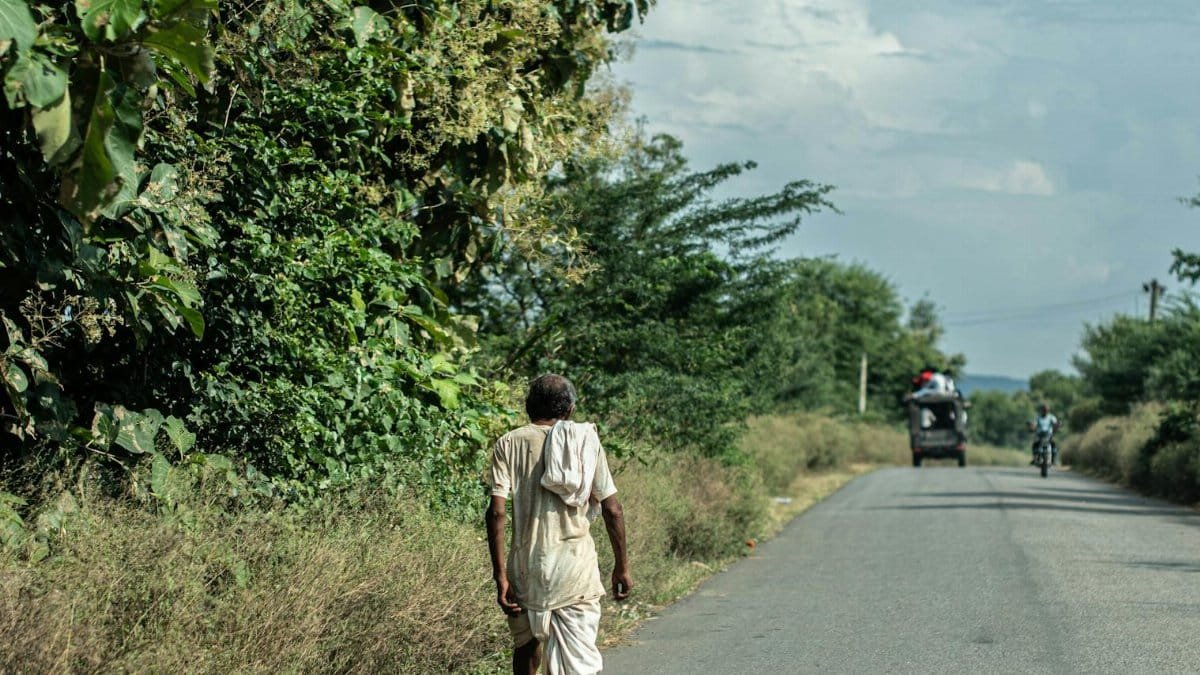
There’s something grounding about strolling down a cracked sidewalk in a town like Bisbee, Arizona, where the air carries hints of desert sage. Daily walks, aimed at observing surroundings with intent, serve as a cornerstone for strengthening, habits, daily. They clear the mind while highlighting community needs, like a pothole that could use fixing or a park begging for benches. A study by the Centers for Disease Control and Prevention notes that regular walking boosts cognitive function, helping individuals spot opportunities for town improvement.
One resident recounted spotting an overgrown lot during her routine saunter; that observation snowballed into a community garden project, drawing families together. It’s not always straightforward, though. Weather can deter, or familiarity might breed oversight. But pushing through reveals hidden gems, fostering a sense of ownership that strengthens communal ties. These walks aren’t just exercise; they’re a dialogue with the place you call home, turning passive living into active stewardship.
3. Practice Mindful Listening

Ever notice how conversations at a small-town diner can uncover buried treasures? In spots like Marfa, Texas, folks are honing the art of mindful listening, setting aside devices to truly hear neighbors’ stories. This habit cuts through mental fog, building empathy that fortifies community bonds. According to findings from Harvard’s Department of Social Medicine, active listening reduces social isolation, a plague in rural areas facing population decline.
It starts small: during a chat at the hardware store, resisting the urge to interrupt and instead absorbing details. One anonymous online account described how this shifted her from feeling like an outsider to becoming a key organizer in local events. Tensions arise when opinions clash, but that’s where growth happens, turning potential conflicts into collaborative solutions. Over weeks, this clarity habit weaves a tighter social net, essential for towns navigating economic headwinds.
4. Curate Digital Detox Moments

In an era of endless scrolls, carving out tech-free intervals is revolutionary for small-town dwellers. Residents in places like Cooperstown, New York, are unplugging daily to reclaim mental space, allowing thoughts to settle like dust after a storm. This practice, part of strengthening, habits, daily, counters information overload, sharpening focus on local realities. The National Institutes of Health highlights how such breaks improve attention spans and reduce anxiety.
Picture setting the phone aside for an hour each evening, perhaps reading a local history book instead. It led one person to rediscover forgotten town lore, inspiring a heritage festival that boosted tourism. Challenges include the pull of notifications, but persistence pays off, fostering deeper connections offline. This detox isn’t rejection of technology; it’s a recalibration, empowering individuals to contribute more meaningfully to their community’s revival.
5. Journal Community Wins

Flipping through pages of noted successes can be a balm in uncertain times. In small towns across the Midwest, like those in Kansas, people are dedicating time each day to logging positive local developments, from a new business opening to a successful school fundraiser. This journaling habit clarifies progress, combating the narrative of decline. Insights from the Journal of Positive Psychology, accessible via Taylor & Francis Online, affirm that tracking positives enhances optimism and motivation.
One snapshot: a farmer who began this routine noticed patterns in community efforts, leading him to propose a cooperative market. It’s not without hurdles; on tough days, finding wins feels forced. Yet, this daily ritual builds a reservoir of hope, encouraging sustained involvement that strengthens the town’s core.
6. Foster Gratitude Exchanges

What happens when neighbors swap notes of thanks? In coastal hamlets like Rockport, Maine, daily gratitude shares, whether verbal or written, are gaining traction. This habit clears emotional clutter, promoting clarity that spills into community support. A Pew study on social connections, found at Pew Research Center’s Social Trends page, shows such practices bolster interpersonal trust, vital for small-town cohesion.
It might unfold at a weekly coffee meetup, where participants voice appreciations. One participant shared anonymously how it mended a rift with a longtime rival, paving the way for joint projects. Skepticism can arise, but authenticity dissolves it, turning individual clarity into collective strength.
7. Set Intentional Boundaries

Drawing lines around personal time is key in close-knit settings. Folks in towns like Taos, New Mexico, are learning to say no to overcommitments, preserving energy for what matters. This boundary-setting, integral to strengthening, habits, daily, ensures mental sharpness for community roles. The Mayo Clinic’s resources on work-life balance, via Mayo Clinic’s Healthy Lifestyle section, underscore its role in preventing burnout.
Envision politely declining an extra committee spot to focus on family; it freed one resident to mentor youth, enhancing town vitality. Resistance from others tests resolve, but clarity emerges, fortifying personal and communal resilience.
8. Explore Nature Connections

Stepping into the wild edges of a town can reset the mind. In forested enclaves like those in Vermont, daily nature immersions, even brief ones, dissolve mental haze. Backed by the U.S. Forest Service, these connections improve cognitive health, inspiring eco-friendly town initiatives.
One hiker found clarity on trails, leading to a conservation group that protected local lands. Weather or accessibility issues challenge, yet the habit persists, weaving environmental awareness into community fabric.
9. Cultivate Learning Rituals

Dedicating time to new knowledge keeps the mind agile. In places like Oxford, Mississippi, residents are incorporating daily reading or podcasts on local history and innovation. This habit sharpens insights, fueling ideas for town growth. Stanford’s education research, available at Stanford Graduate School of Education, links lifelong learning to adaptive communities.
A book club member turned newfound knowledge into a workshop series, drawing visitors. Overload is a risk, but selective focus maintains balance, enhancing collective progress.
10. End with Evening Reviews

As dusk falls over a town square, reviewing the day’s clarity moments seals the habit loop. In spots like Galena, Illinois, this wind-down assesses what worked, adjusting for tomorrow. Psychological studies from the American Psychological Association’s Monitor on Psychology confirm it solidifies positive behaviors.
One evening ritual led a shop owner to refine her business, boosting the local economy. Fatigue can shorten it, but even brief reviews build momentum, ensuring strengthening, habits, daily endure and uplift small towns into 2025 and beyond.