
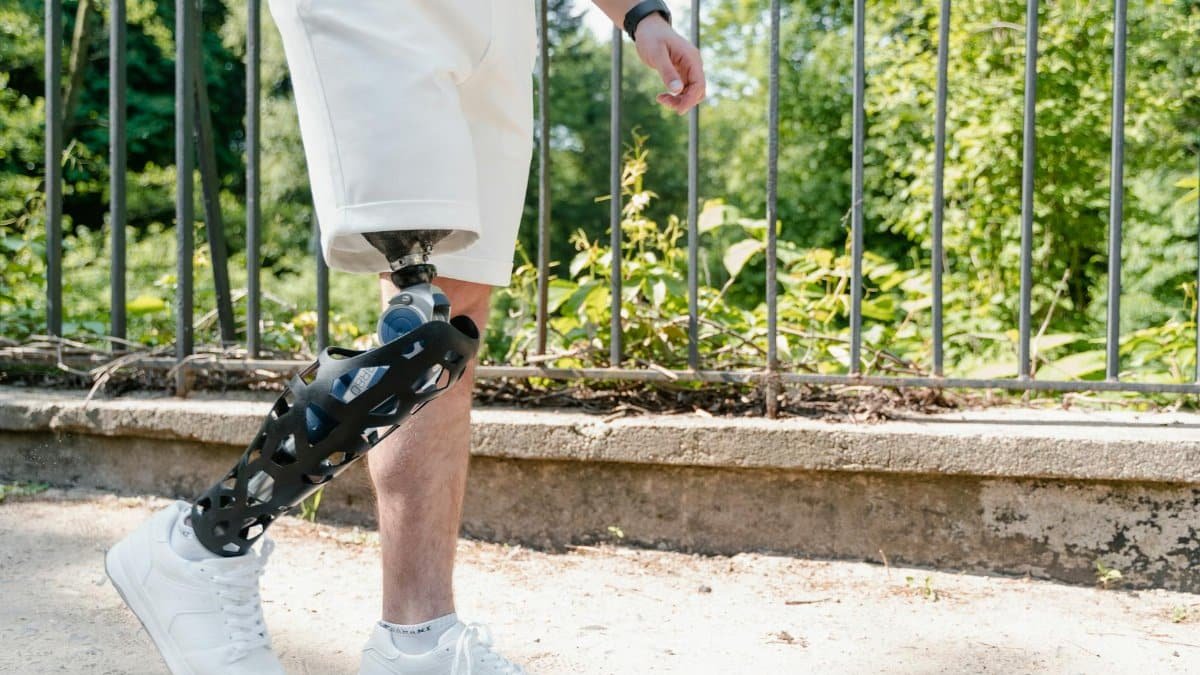
A recent survey from the American Psychological Association revealed that 62% of adults report feeling overwhelmed by daily stresses, up from 50% just five years ago, highlighting a growing need for accessible ways to restore balance. This surge aligns with the rising popularity of movement therapy methods, which are increasingly seen as vital tools for boosting modern lifestyles amid relentless demands. From urban professionals juggling remote work to retirees seeking vitality, these practices offer more than physical exercise—they provide emotional grounding and mental clarity. As we navigate 2025’s fast-paced world, where technology often amplifies anxiety, movement therapies emerge as practical antidotes, helping individuals reconnect with their bodies and foster resilience. What began as niche wellness trends has evolved into mainstream strategies for enhancing well-being, drawing on ancient wisdom adapted for contemporary life.
1. Yoga Flows for Daily Resilience
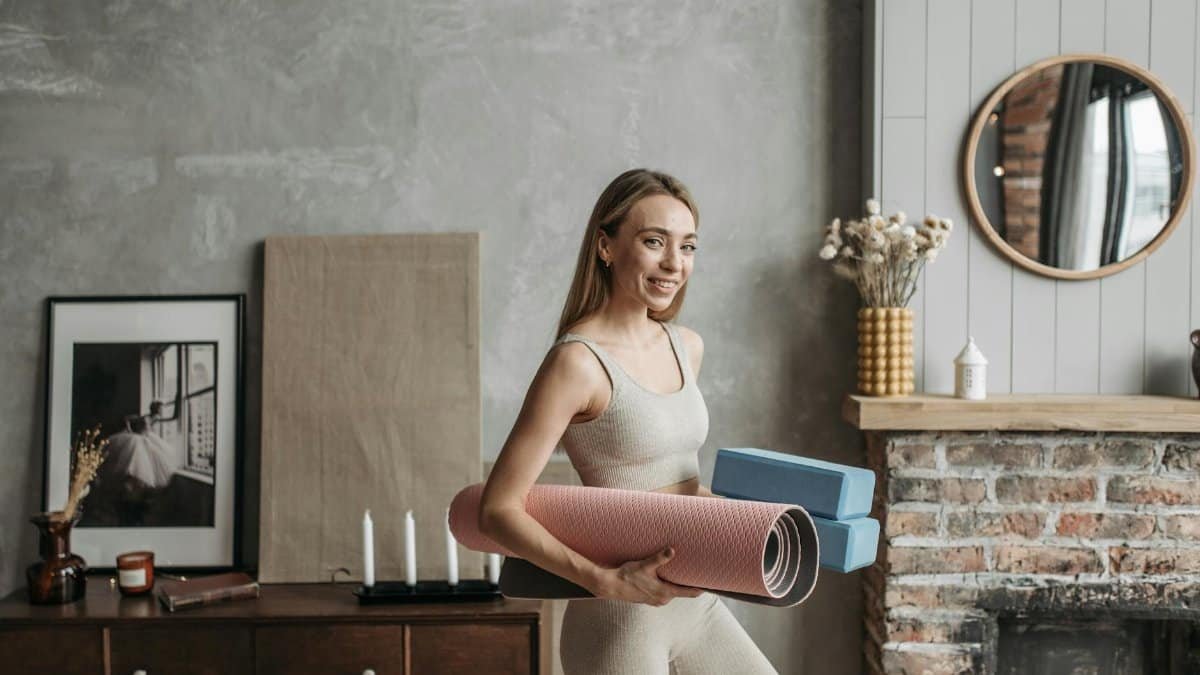
Amid the bustle of city life, yoga stands out as a cornerstone of movement therapy, blending breath with deliberate poses to cultivate inner strength. Consider a busy executive in Chicago who starts her day with a 20-minute sun salutation sequence; she describes it as “resetting my mental compass before the emails flood in.” This method isn’t just about flexibility—it’s a holistic approach that reduces cortisol levels, as supported by research from the National Institutes of Health. Studies show consistent yoga practice can lower stress by up to 30%, making it ideal for those in high-pressure jobs.
Yet, the real power lies in its adaptability. Beginners might focus on gentle hatha styles, while advanced practitioners explore vinyasa for a dynamic challenge. One online account shared anonymously captured this: feeling drained after a long week, the person turned to a restorative session and emerged “with a sense of calm I hadn’t felt in months.” Integrating yoga into routines doesn’t require hours; even short bursts build momentum, gradually boosting energy and focus in everyday scenarios.
Transitioning from individual practice, communities form around studios, fostering social connections that amplify benefits. A NIH study on yoga’s effects underscores how it enhances mood regulation, proving essential for modern emotional health.
2. Tai Chi’s Gentle Waves of Calm

Picture a group in a New York park at dawn, moving in slow, fluid motions that mimic flowing water—this is tai chi, an ancient Chinese practice gaining traction for its subtle yet profound impact on well-being. Rooted in martial arts, it emphasizes balance and mindfulness, helping practitioners navigate life’s chaos with poise.
Unlike high-intensity workouts, tai chi’s low-impact nature suits all ages, particularly middle-aged adults managing joint issues or chronic fatigue. Research from Harvard Medical School indicates it improves cardiovascular health and reduces fall risks, with participants reporting better sleep after regular sessions. One retiree in Florida recounted how tai chi transformed his mornings: “It quiets the noise in my head, letting me face the day without that underlying tension.”
Delving deeper, the practice encourages a meditative state, where each movement syncs with breath, promoting mental clarity. In 2025, with rising awareness of burnout, tai chi offers a counterpoint to sedentary desk jobs, subtly enhancing posture and vitality. For more on its benefits, check this Harvard Health overview.
3. Dance Therapy’s Rhythmic Release
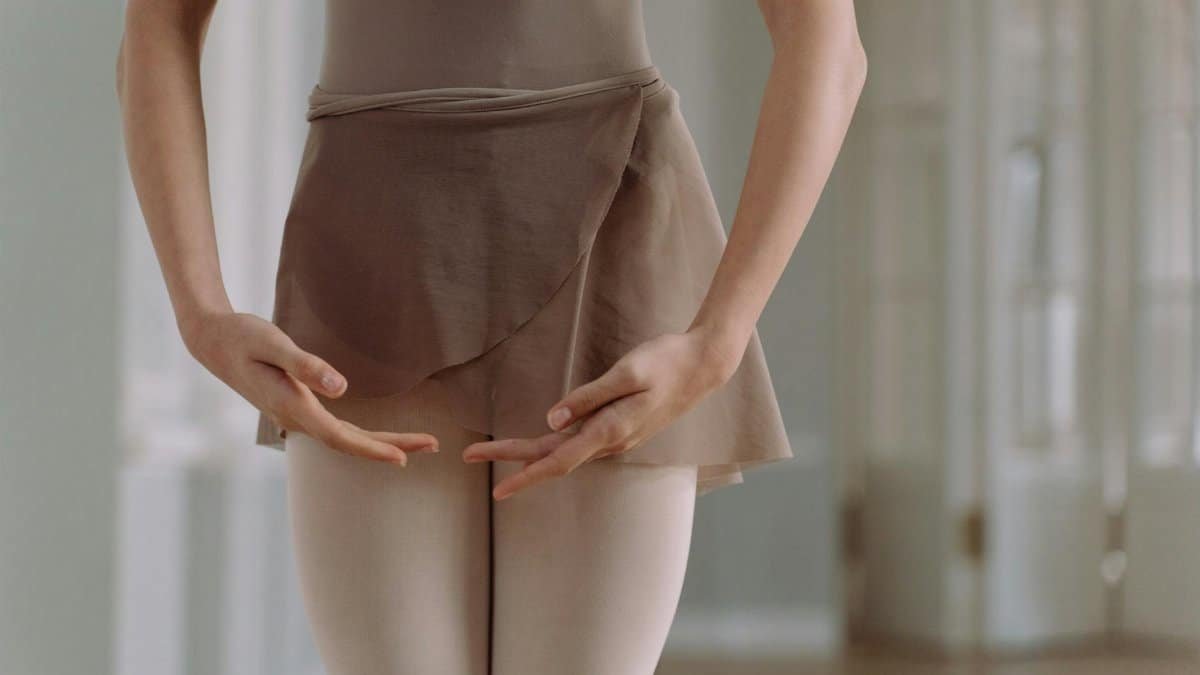
What if letting loose on the dance floor could heal emotional wounds? Dance therapy harnesses movement to express unspoken feelings, making it a vibrant option for boosting modern lifestyles tangled in routine. Therapists guide sessions where participants improvise to music, unlocking creativity and reducing anxiety.
In group settings, it builds empathy as people mirror each other’s steps, fostering connections often missing in digital interactions. A study published in the Journal of the American Medical Association found dance interventions alleviate depression symptoms, with effects comparable to traditional therapy. Imagine a workshop in Los Angeles where attendees, from varied backgrounds, sway to beats and share breakthroughs afterward—such scenes highlight its communal magic.
Personally tailored, it adapts to individual needs; someone grieving might use slow, expressive dances to process loss. Online discussions frequently echo this sentiment, with one anonymous post describing dance as “the key to shaking off pandemic-era isolation.” As lifestyles grow more isolated, this method rekindles joy through motion.
4. Pilates for Core Strength and Stability
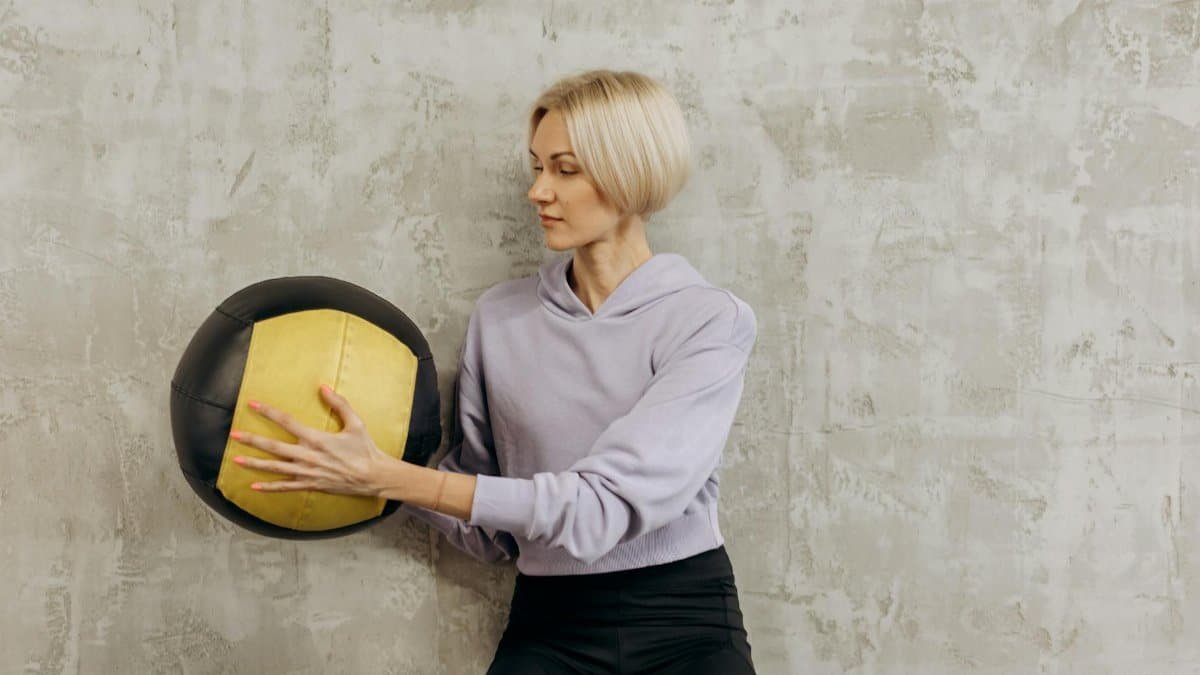
Joseph Pilates developed his method in the early 20th century, but its relevance surges in 2025 as people seek structured ways to counter desk-bound slumps. Focusing on controlled movements that build core muscles, it enhances posture and prevents injuries, essential for active aging.
Classes often start with mat exercises, progressing to equipment like reformers for added resistance. A middle-aged teacher in Texas shared how Pilates steadied her after a back injury: “It wasn’t just physical; it rebuilt my confidence to move freely again.” Evidence from the Mayo Clinic supports its role in pain management, showing improved flexibility in consistent practitioners.
Beyond the studio, at-home apps make it accessible, blending precision with mindfulness. This integration helps combat the sedentary traps of modern work, promoting sustained energy. For detailed insights, refer to this Mayo Clinic guide on Pilates.
5. Qigong’s Energy Harmonization
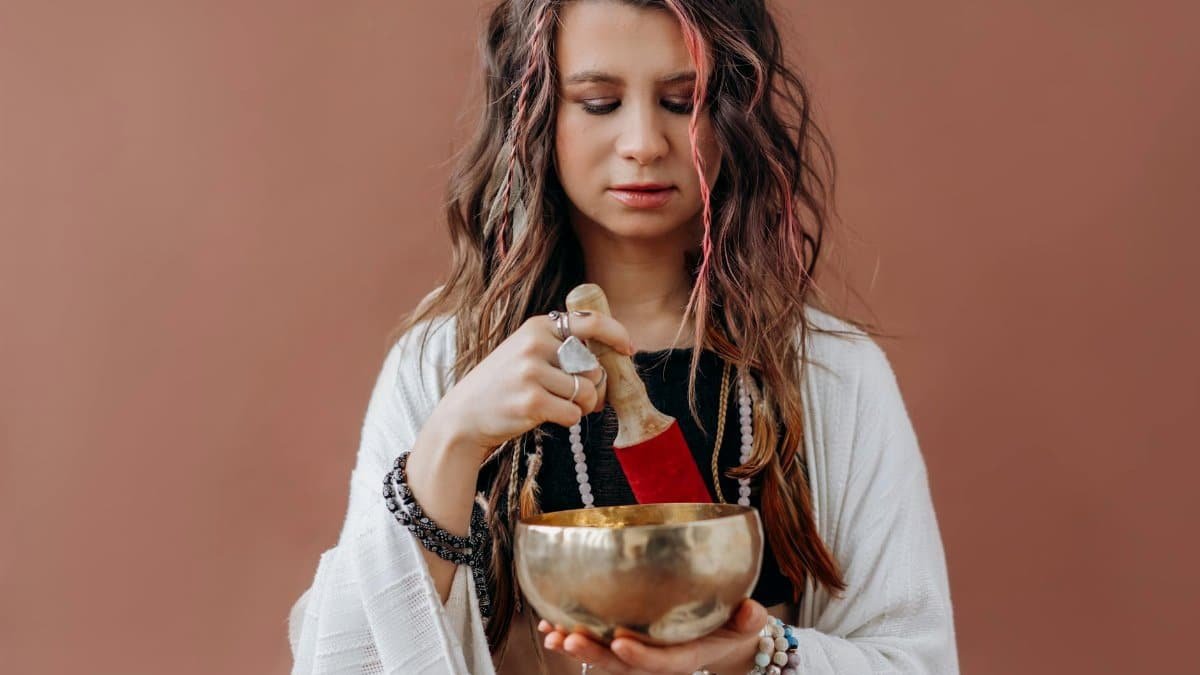
Drawing from traditional Chinese medicine, qigong combines gentle postures, breathing, and visualization to circulate life energy, or qi. It’s less about exertion and more about internal flow, appealing to those overwhelmed by high-stakes environments.
Practitioners often describe a subtle warmth building during sessions, easing tension accumulated from daily grinds. A Pew Research survey notes growing interest in mind-body practices among Americans, with qigong fitting neatly into this trend for emotional equilibrium. One illustrative story comes from a nurse in Seattle who incorporated qigong breaks: “Amid shift chaos, it centers me, preventing burnout.”
Variations include dynamic forms for vitality or static holds for meditation, adaptable to busy schedules. In boosting modern lifestyles, it fosters resilience against stress, with studies linking it to lowered blood pressure. Explore more via this National Center for Complementary and Integrative Health page on qigong.
6. Feldenkrais Method’s Mindful Awareness
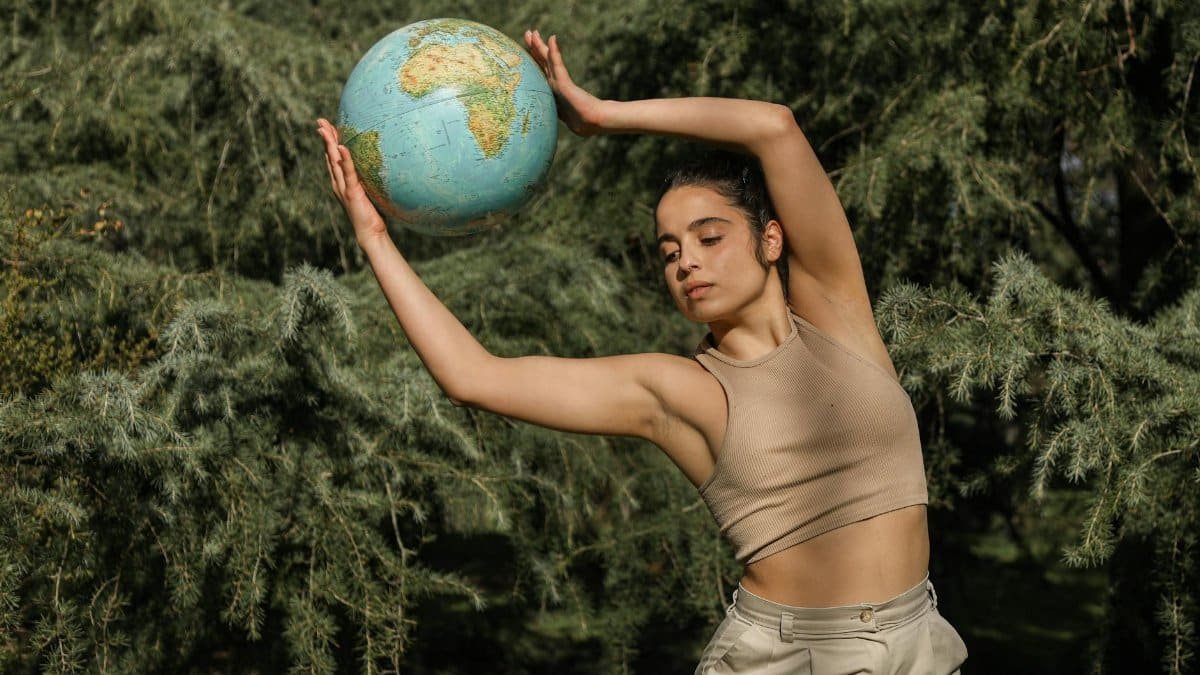
The Feldenkrais Method invites exploration of habitual movements, encouraging subtle shifts to improve efficiency and reduce strain. Developed by Moshe Feldenkrais, it uses lessons that feel like playful investigations rather than rigid drills.
Participants lie on the floor, gently rolling or twisting, discovering easier ways to function. This awareness translates to daily life, like sitting at a computer without hunching. Research from the University of California indicates it aids chronic pain relief, enhancing quality of life for many.
A writer in Boston recalled a session that reshaped her approach to deadlines: “It taught me to move through resistance, not fight it.” As lifestyles demand constant adaptation, Feldenkrais offers tools for graceful navigation, countering the rigidity of routine.
7. Alexander Technique for Postural Freedom

Finally, the Alexander Technique addresses how we carry ourselves, teaching conscious inhibition of unhelpful habits to promote natural alignment. Actors and musicians often swear by it for performance enhancement, but its applications extend to everyday posture woes.
Lessons involve guided activities, like standing or walking, with verbal cues to release tension. A study in the British Medical Journal found it effective for back pain, outperforming standard care in long-term relief. Envision an office worker in Atlanta applying it during meetings: “I notice when I’m tensing up and let go, staying present.”
In the context of boosting modern lifestyles, it empowers individuals to break free from stress-induced slumps, fostering sustained poise. Online sentiments often highlight its subtlety: one shared experience noted feeling “lighter, like shedding invisible weights.” This method rounds out movement therapies by emphasizing prevention over cure, aligning perfectly with proactive wellness trends in 2025.