
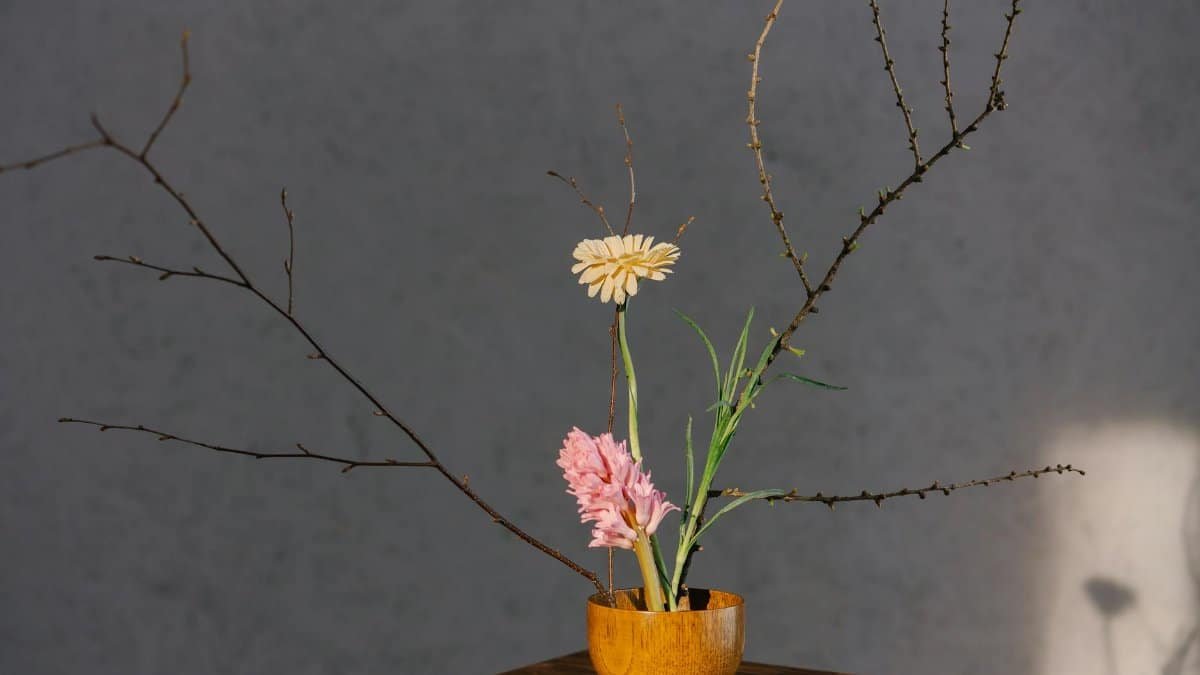
In bustling cities like New York or Los Angeles, a quiet revolution is underway. People from all walks of life are turning to fresh approaches for emotional well-being. Apps buzz with guided meditations. Community centers host workshops on stress reduction. This shift reflects a broader cultural trend toward healing, balance, modern. It’s not just about ancient wisdom anymore. Today’s methods blend science with everyday practicality. They address the chaos of 2025’s fast-paced world. From remote workers juggling Zoom calls to parents navigating hybrid schooling, many seek tools that fit seamlessly into modern life. These principles promise not instant fixes, but sustainable paths to inner calm. They draw on research showing how small habits can reshape our emotional landscapes. As stress levels climb amid economic uncertainties, this movement offers hope. It invites us to rethink how we heal and find equilibrium in an era of constant change.
1. Cultivating Mindfulness Amid Digital Distractions

Mindfulness stands as a cornerstone in modern healing practices. It encourages presence in the moment, cutting through the noise of endless notifications. Consider a busy executive in Chicago who starts her day with a five-minute breathing exercise. Instead of diving straight into emails, she focuses on her breath. This simple act sets a tone of calm. Studies back this up. Research from the National Institutes of Health highlights how mindfulness reduces anxiety by altering brain patterns. NIMH on Anxiety Disorders explains these mechanisms clearly.
Yet, it’s not always straightforward. Distractions lurk everywhere. One anonymous account shared online described the struggle: feeling pulled in a dozen directions by social media. “I finally put my phone on silent during meals,” the person noted. That small change brought unexpected peace. In 2025, with AI assistants handling more tasks, integrating mindfulness becomes even more vital. It helps maintain emotional balance when technology threatens to overwhelm. Practitioners suggest starting small. Try noticing your surroundings during a walk. Feel the air on your skin. Hear the city sounds. Over time, this builds resilience. It’s less about perfection and more about consistent effort. The result? A steadier emotional core in a hectic world.
Transitions like these aren’t abrupt. They evolve. As one shifts focus inward, the external chaos dims. This principle weaves into daily routines, proving that healing, balance, modern isn’t reserved for retreats. It’s accessible right here, right now.
2. Harnessing Emotional Awareness Through Journaling

Imagine flipping open a notebook after a tense meeting. Jotting down raw feelings without judgment. This act of journaling fosters emotional awareness, a key modern healing principle. It allows people to track patterns in their moods. A teacher in Texas might note recurring frustration on Mondays. Recognizing this leads to proactive changes, like planning a relaxing ritual the night before.
Evidence supports its power. The American Psychological Association points to studies where journaling aids in processing emotions, reducing stress. APA on Stress Management details how expressive writing can lower cortisol levels. But it’s not just science. Real stories bring it alive. A young professional recounted online how daily entries helped navigate a breakup. “Seeing my thoughts on paper made the pain less tangled,” they shared. In our connected yet isolating digital age, this practice reconnects us with ourselves.
Varying the approach keeps it fresh. Some use prompts. Others free-write. The goal remains: building a dialogue with one’s inner world. As 2025 brings more virtual interactions, emotional awareness ensures we don’t lose touch with our feelings. It promotes balance by addressing imbalances early. Healing emerges from this honest reflection, guiding us toward stability.
3. Integrating Movement for Mind-Body Harmony

Physical activity isn’t just about fitness. In modern contexts, it’s a bridge to emotional equilibrium. Think of yoga flows or brisk walks that sync body and mind. A retiree in Florida discovered this through tai chi classes. What started as exercise became a ritual for centering thoughts. Movements eased his worry about health declines.
Research underscores the link. The Centers for Disease Control and Prevention reports that regular movement combats depression by boosting endorphins. CDC on Physical Activity and Health provides comprehensive insights. Yet, challenges arise. Urban dwellers often lack green spaces. One public forum post lamented crowded gyms, but suggested home routines via apps. “Even 10 minutes of stretching shifts my mood,” the contributor wrote.
Dive deeper, and tensions surface. Not everyone has time for hour-long sessions. Adaptability is key. Short bursts integrated into commutes or breaks work wonders. This principle of healing, balance, modern adapts to lifestyles, emphasizing harmony over intensity. It reminds us that emotional health thrives when the body moves freely. Smoothly, it leads to broader wellness.
4. Nurturing Connections in a Fragmented World

Relationships form the fabric of emotional balance. Modern healing emphasizes building supportive networks. Picture a group of friends in Seattle gathering virtually for honest check-ins. They share vulnerabilities, strengthening bonds that buffer against isolation.
Data from Pew Research Center shows social connections correlate with lower stress. Their surveys reveal how quality interactions enhance well-being. Pew Research on Friendships offers detailed findings. However, digital divides complicate this. An anonymized online story described rebuilding ties post-pandemic: “Video calls felt awkward at first, but they bridged the gap.”
Explore the nuance. Not all connections heal. Toxic ones drain energy. Discernment matters. Setting boundaries becomes a skill. In 2025, with remote work persisting, intentional outreach sustains balance. This principle fosters resilience through shared experiences, proving that healing often happens in community.
5. Embracing Self-Compassion in High-Pressure Environments

Self-compassion invites kindness toward oneself, especially during failures. It’s a modern antidote to perfectionism. A software engineer in Silicon Valley learned this after a project flop. Instead of self-criticism, he practiced affirming his efforts. This shift lightened his emotional load.
Studies from the University of California affirm its benefits, linking self-compassion to reduced anxiety. Greater Good Science Center on Self-Compassion explores these effects. Real-life application varies. One shared experience online highlighted daily affirmations: “Treating myself like a friend changed everything.”
But resistance exists. Cultural norms push achievement over gentleness. Overcoming this requires practice. Start with small acknowledgments. In a year like 2025, marked by rapid changes, self-compassion anchors us. It integrates into healing, balance, modern by softening inner dialogues, paving the way for true equilibrium.
6. Leveraging Technology for Personalized Wellness
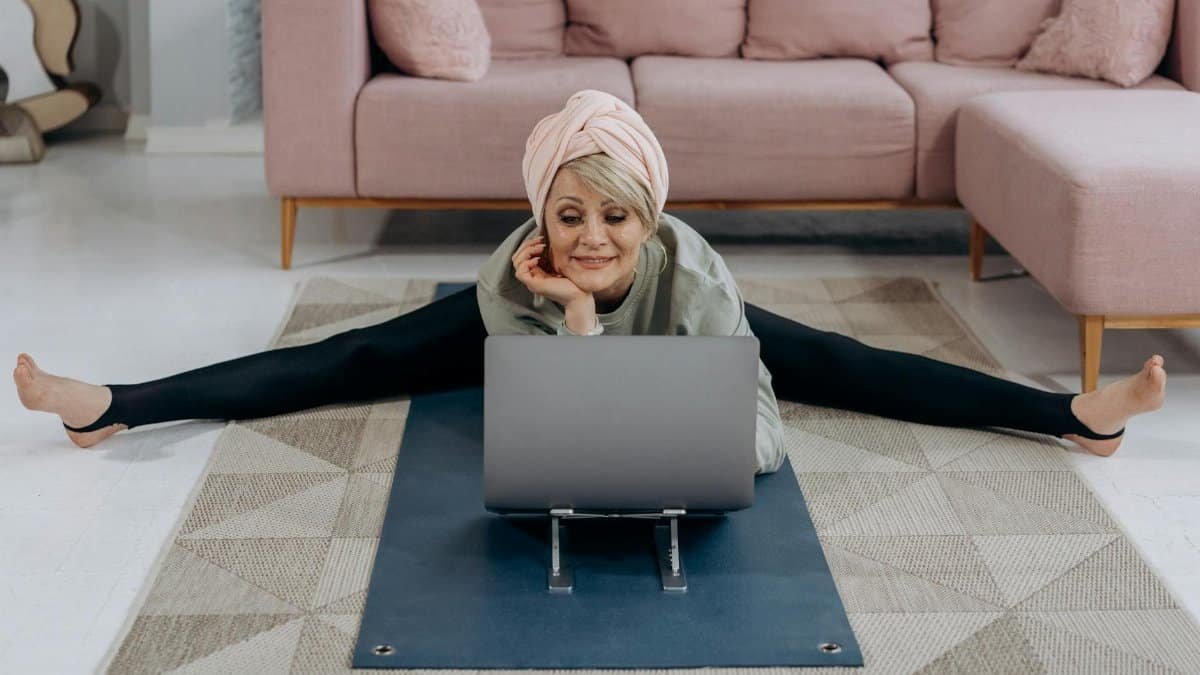
Apps and wearables personalize healing journeys. They track sleep, mood, and habits, offering tailored insights. A nurse in Boston uses a device to monitor stress, adjusting her routine accordingly. This tech-savvy approach demystifies emotional patterns.
The National Institute of Mental Health discusses how digital tools aid mental health. NIMH on Technology in Mental Health covers emerging trends. Privacy concerns linger, though. An online anecdote warned of data overload: “I had to set limits to avoid obsession.”
Balance is crucial. Use tech as a tool, not a crutch. In 2025, innovations like AI coaches expand access. This principle embodies healing, balance, modern, merging innovation with introspection for sustainable emotional health.
7. Fostering Gratitude to Sustain Long-Term Balance

Gratitude shifts focus from lacks to abundances. It’s a simple yet profound principle. A writer in Denver keeps a nightly list of positives, countering creative blocks with appreciation.
Harvard Health Publishing notes gratitude’s role in happiness. Harvard Health on Gratitude provides evidence-based advice. Amid cynicism, it shines. One public reflection described its impact: “Gratitude turned my outlook around during tough times.”
Consistency builds its power. Incorporate it into routines. As we navigate 2025’s uncertainties, gratitude anchors emotional balance. It completes the circle of modern healing, encouraging a positive, resilient mindset.
These principles intertwine, offering a roadmap for emotional steadiness. They adapt to contemporary life, proving that healing is within reach.