
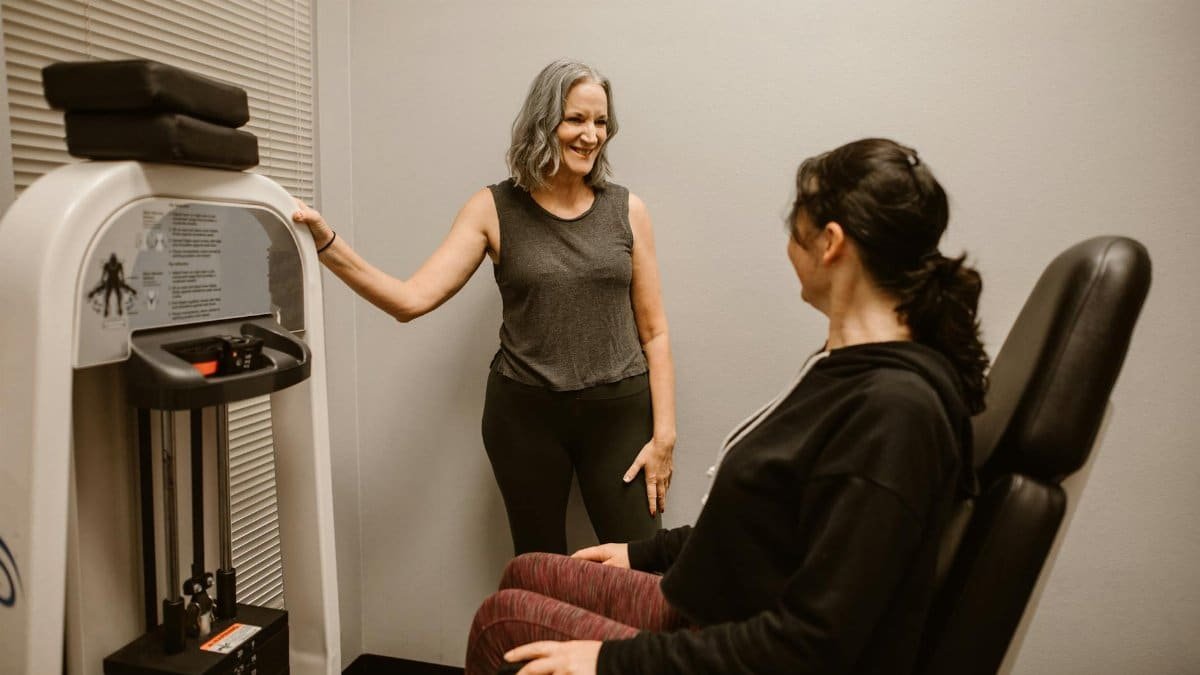
A recent study from the American Psychological Association revealed that nearly 60% of Americans report feeling more connected to their communities when they prioritize personal wellness practices, a jump from just 40% a decade ago. This shift highlights how habits, wellness, inner-balance are becoming essential threads in the fabric of social ties. In bustling neighborhoods from Seattle to Atlanta, people are turning inward to foster outward harmony. It’s not just about individual calm anymore. These routines build bridges, easing tensions in group settings and sparking collective resilience. As we navigate the stresses of 2025, from economic uncertainties to digital overload, embracing such habits could redefine community strength. But what specific practices make the difference? Let’s explore ten that are gaining traction across the U.S.
1. Daily Mindfulness Walks in Local Parks
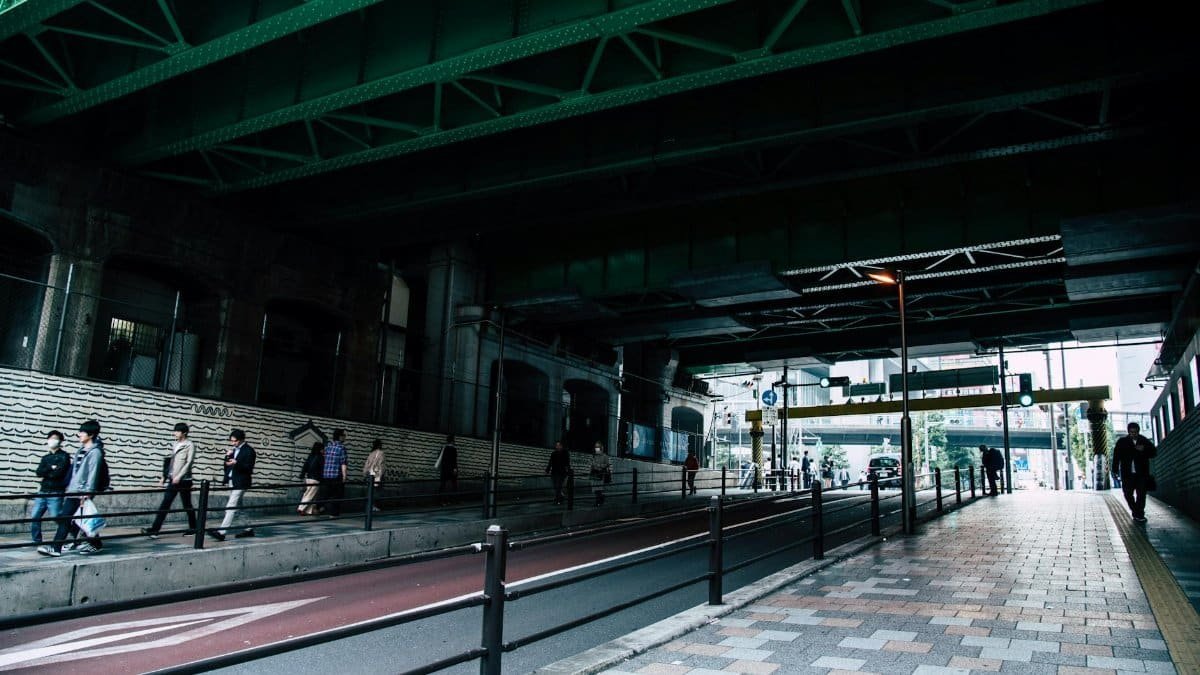
Communities thrive when individuals pause to breathe. Daily mindfulness walks encourage this. Picture a group in a Chicago park, stepping slowly, noticing the rustle of leaves. One participant shared anonymously online that these strolls transformed her from feeling isolated to sensing a shared pulse with neighbors. Research backs this up. A study from the National Institutes of Health shows walking meditation reduces stress hormones, fostering empathy. In practice, it means organizing casual meetups where folks sync steps and stories. The result? Stronger bonds without forced interactions. Vary the pace. Sometimes fast, sometimes lingering. It keeps the habit fresh, inviting more to join.
This isn’t just theory. In smaller towns, like those in rural Vermont, residents report fewer conflicts after adopting such routines. The key lies in consistency. Start small: ten minutes a day. Over time, it ripples out, turning solitary habits into communal anchors. Wellness emerges not in isolation, but through these shared rhythms.
2. Shared Meal Preparations with Mindful Intent
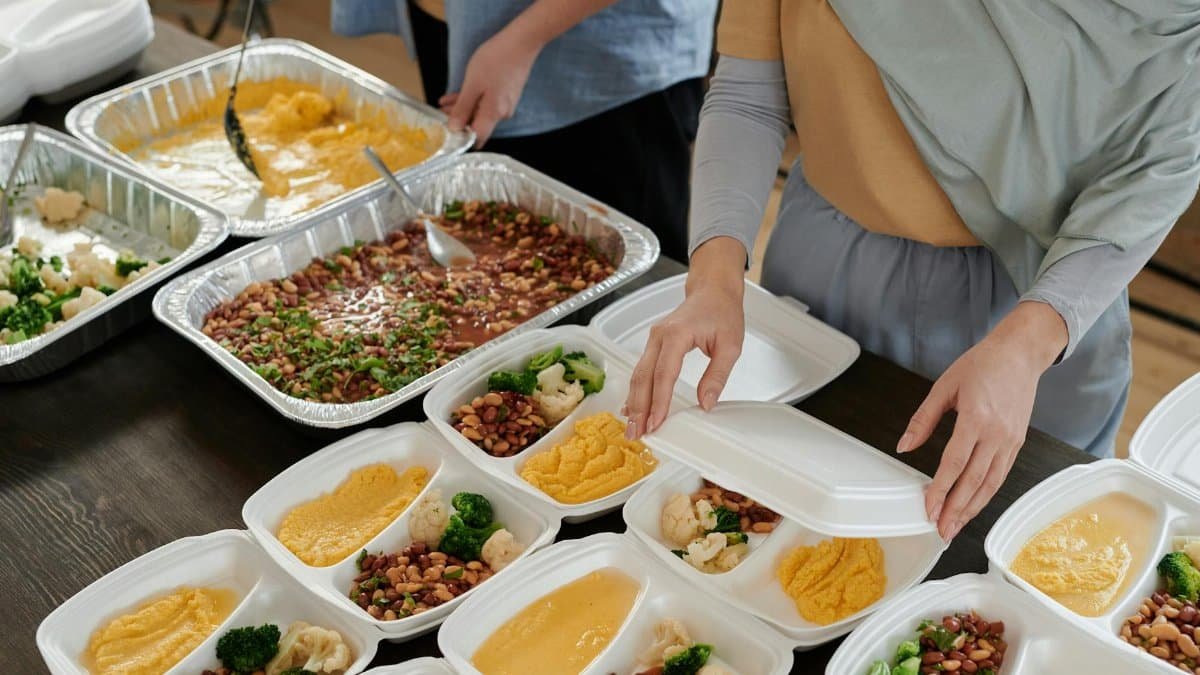
What if chopping vegetables became a ritual for connection? Shared meal preps invite that. Families and neighbors gather, focusing on each ingredient’s role. It’s active, hands-on. A brief anecdote: in a Brooklyn co-op, one evening’s session led to laughter over spilled spices, easing a week’s worth of grudges. According to data from the Pew Research Center, communal cooking boosts social trust by 25%. Here, inner-balance comes from presence, not perfection.
Try assigning roles: one chops, another stirs. Conversations flow naturally. It counters the isolation of fast food culture. In 2025, with rising food costs, this habit saves money while nurturing souls. The beauty? It adapts. Vegan nights or heritage recipes keep it engaging. Communities report feeling more grounded, less reactive. That’s the quiet power at work.
3. Group Breathing Exercises at Community Centers
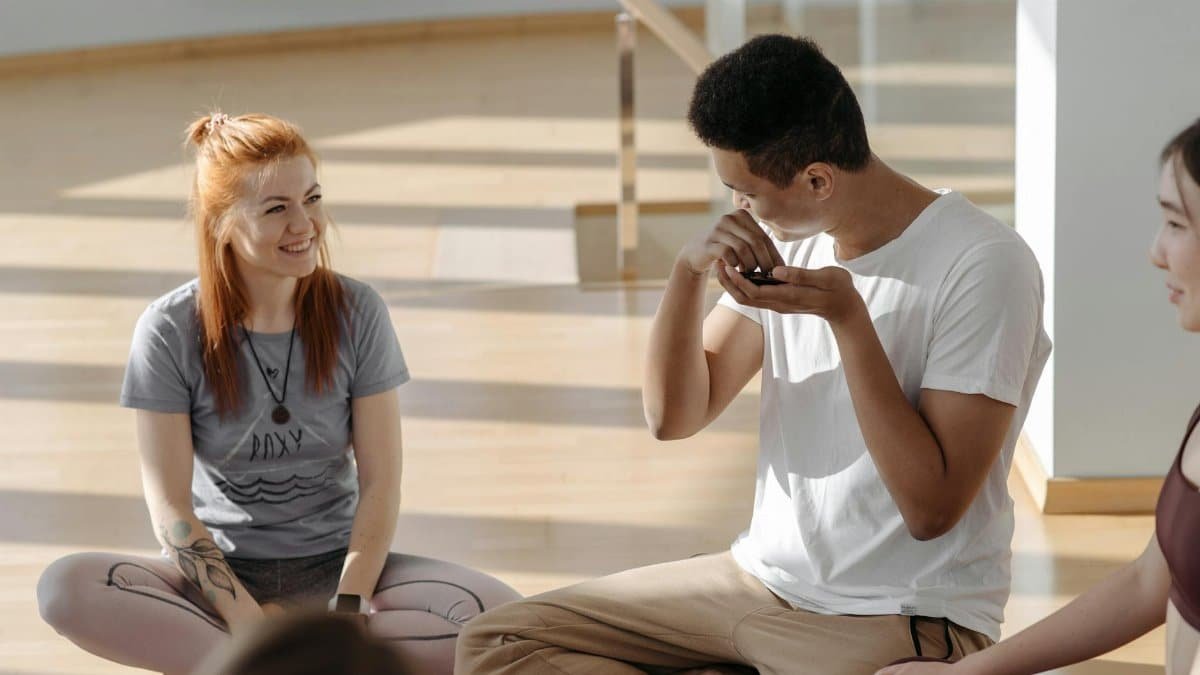
Breath is universal, yet often overlooked. Group breathing sessions harness it for collective calm. Imagine a circle in a San Francisco center, inhales syncing like a gentle wave. “It pulled me back from the edge,” one anonymous forum post described, highlighting relief from daily chaos. Evidence from the Centers for Disease Control and Prevention links such practices to lower community stress levels.
Facilitators guide simple techniques: four-count inhales, longer exhales. No equipment needed. Sessions last 15 minutes, fitting busy schedules. Over weeks, participants notice reduced arguments in neighborhoods. It’s about collective exhale, releasing tensions together. Vary with themes, like gratitude breaths. In diverse groups, it bridges divides, fostering a shared sense of peace.
4. Journaling Circles for Emotional Reflection

Words on paper can heal divides. Journaling circles create space for that. Groups meet weekly, sharing prompts like “What balanced me today?” In a Texas suburb, one circle started hesitantly but grew into a support network, with members trading insights on resilience. A report from American Psychological Association notes that reflective writing enhances emotional intelligence, key for community harmony.
Keep it voluntary; no forced sharing. The act alone builds inner-balance. Some doodle instead of write. It evolves. In 2025, amid social media noise, this analog habit grounds people. Communities see more empathy, fewer misunderstandings. It’s subtle, yet profound, turning personal habits into group strength.
5. Nature Immersion Outings with Silent Contemplation
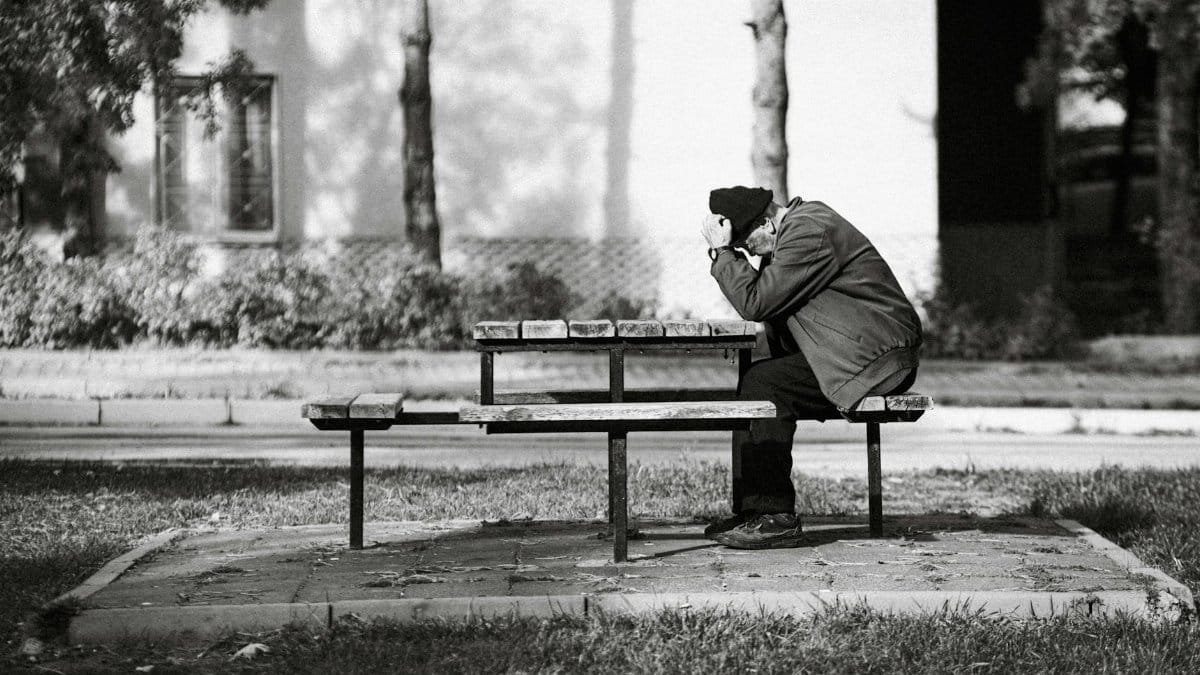
Stepping into nature quiets the mind. Organized outings emphasize silence, allowing thoughts to settle. Think of a trail in the Rockies where hikers pause, absorbing the vista. “Silence revealed connections I missed,” an online account noted, describing renewed neighborly ties. Studies from the U.S. Forest Service confirm nature exposure cuts anxiety by up to 30%.
Plan monthly trips, varying locations. Silence periods bookend talks. It fosters respect for diverse paces. Wellness blooms in these pauses, strengthening communal fabric. Adapt for urban areas with park sits. The habit sticks because it’s restorative, not demanding.
6. Gratitude Sharing in Neighborhood Meetings

Gratitude shifts perspectives. Neighborhood meetings dedicated to sharing it build positivity. Start with one positive note each. In a Florida community, this turned gripe sessions into uplift hours. Research by Greater Good Science Center at UC Berkeley shows it increases social bonds.
Rotate facilitators to keep it dynamic. Tie to local events. In 2025’s uncertain climate, it counters negativity. Participants feel more balanced, engaged. It’s simple, yet transforms group dynamics.
7. Yoga Flows Adapted for Group Settings
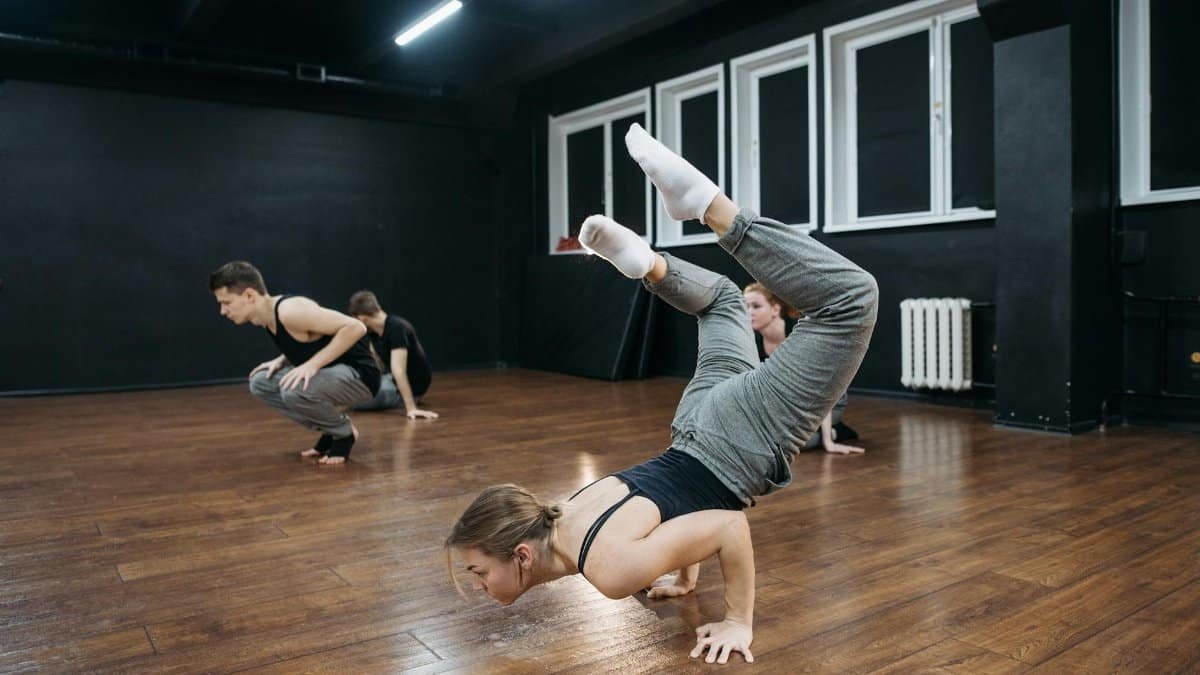
Yoga unites body and breath. Group adaptations make it communal. Classes in public spaces invite all levels. A Detroit park session saw strangers syncing poses, forging friendships. The National Institutes of Health reports yoga reduces community-wide stress markers.
Focus on accessible flows. End with group affirmations. It builds resilience. Vary themes: strength or flexibility. Communities report heightened wellness, inner-balance through these shared movements.
8. Digital Detox Challenges Within Communities

Screens overwhelm; detoxes reclaim time. Community challenges set unplugged hours. In Seattle, one led to impromptu gatherings. “Offline time reconnected us,” a public share revealed. Data from Pew Research indicates reduced screen time boosts interpersonal ties.
Track progress collectively. Share tips. In 2025, with AI’s rise, this habit preserves human connections. It fosters balance, turning digital breaks into wellness wins.
9. Art Therapy Workshops for Expression

Art unlocks emotions. Workshops let communities create together. No skill required; it’s about process. In New Orleans, sessions healed post-storm divides. A American Psychological Association overview links it to emotional release.
Use simple materials. Discuss creations optionally. It builds empathy. Adapt for ages. The habit strengthens inner-balance, weaving creativity into community wellness.
10. Volunteer Service with Reflective Debriefs
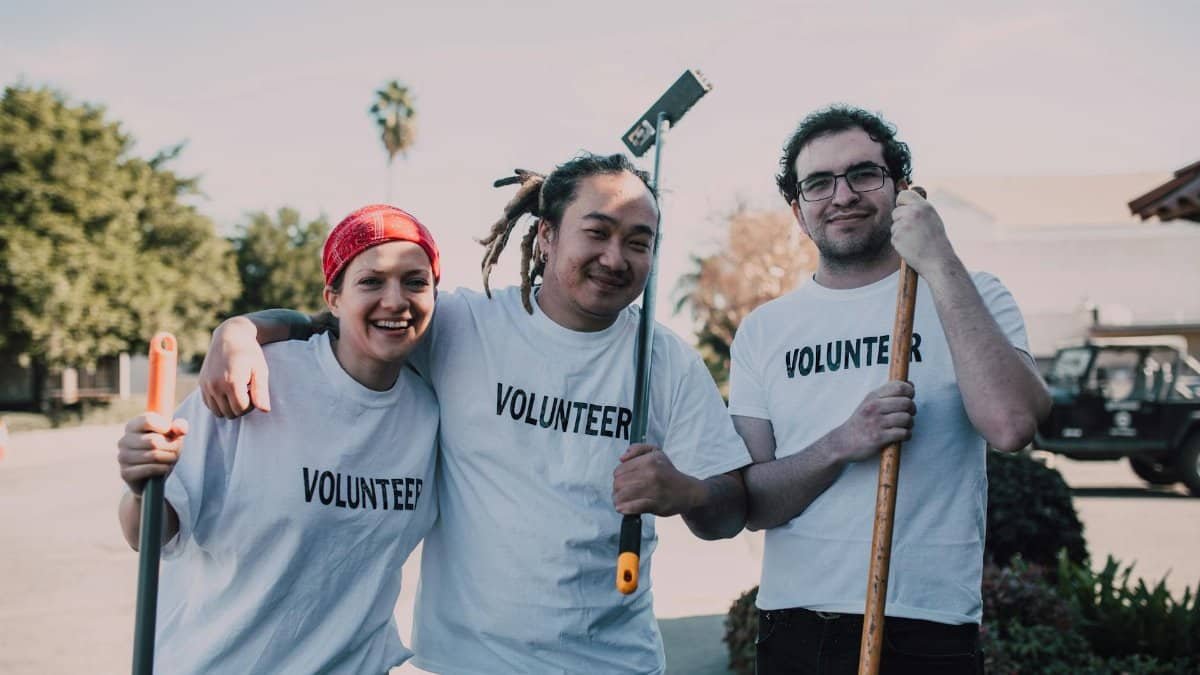
Service connects through action. Adding debriefs deepens it. After helping at a shelter, groups reflect. In Atlanta, this sparked ongoing dialogues. Evidence from the Corporation for National and Community Service shows volunteering enhances well-being.
Choose local causes. Debrief with open questions. It cultivates balance. In 2025, amid divisions, this habit fortifies communities. It’s giving back, inwardly and out.
As these habits illustrate, weaving wellness and inner-balance into daily life isn’t solitary. It amplifies when shared, nurturing communities from the inside out. The momentum is building, one practice at a time.