
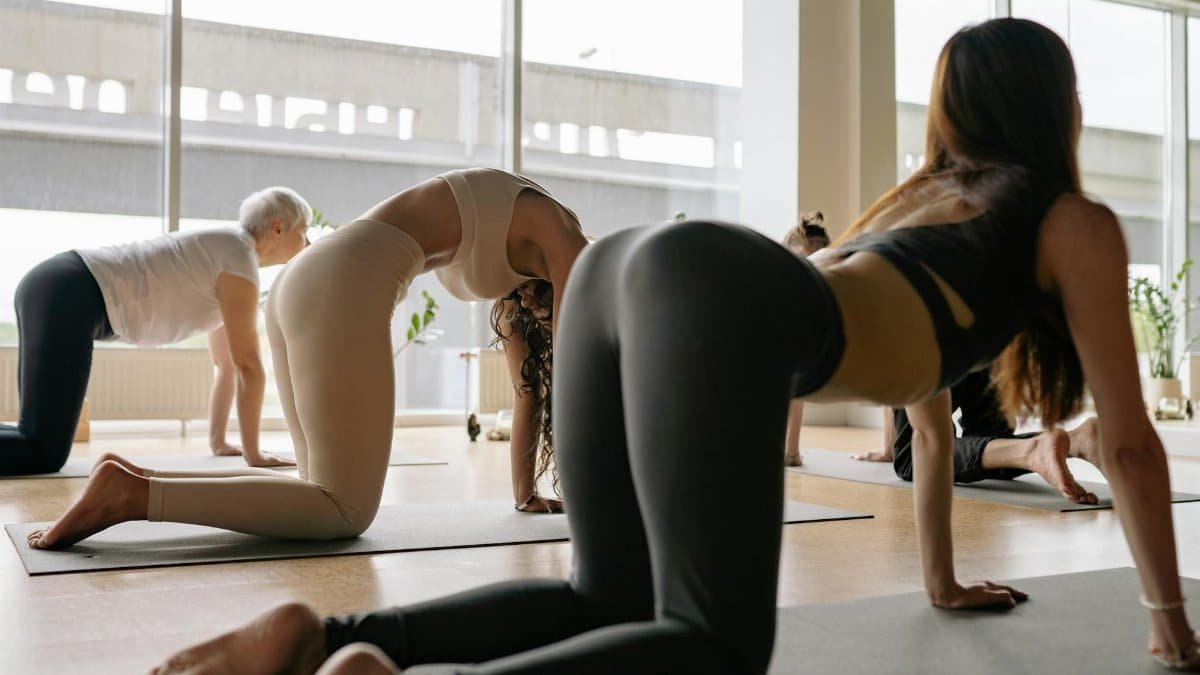
Intro

New data shows 45% of U.S. adults are turning to yoga for better mobility, according to a recent survey by the National Center for Health Statistics. This surge highlights how sequences, daily, guiding routines are transforming everyday wellness. From office workers easing back pain to athletes boosting flexibility, these practices offer practical balance. As more people seek natural ways to combat sedentary lifestyles in 2025, yoga mobility sequences are proving essential for maintaining physical and mental harmony.
1. Sunrise Stretch for Morning Energy

Yoga experts are buzzing about simple morning routines that kickstart the day. The sunrise stretch sequence involves gentle forward folds and sun salutations to awaken muscles. Practitioners report increased alertness without the caffeine crash. A study from the University of California links such movements to improved circadian rhythms. In busy U.S. cities, folks swear by this for tackling commutes with ease. It takes just 10 minutes, focusing on spine elongation and hip openers. Health pros say it sets a positive tone, reducing stress before breakfast.
2. Desk Warrior for Office Relief

Office drones are fighting back pain with desk warrior poses. This sequence includes seated twists and shoulder rolls, perfect for midday breaks. Recent reports indicate remote workers in 2025 are adopting it to counter screen time woes. The American Physical Therapy Association notes it enhances posture and circulation. Users feel immediate relief in tight necks and lower backs. It’s discreet, requiring no mat, and builds core strength over time. Experts recommend pairing it with deep breathing for maximum impact.
3. Midday Flow for Mental Clarity

When afternoon slumps hit, midday flow sequences guide focus. Incorporating warrior poses and balancing acts, this routine sharpens concentration. Data from the CDC’s National Health Interview Survey shows yoga practitioners experience lower anxiety levels. Urban professionals use it to recharge during lunch hours. The flow emphasizes fluid transitions, promoting mindfulness amid daily chaos. It’s adaptable for home or park settings, helping maintain productivity without burnout.
4. Evening Wind-Down for Better Sleep

Evening wind-down sequences are gaining traction for restful nights. Gentle inversions and restorative holds prepare the body for sleep. Sleep researchers at Harvard Medical School have found yoga aids insomnia by calming the nervous system. In 2025, with rising sleep disorders, this practice offers a drug-free solution. Participants note deeper rest and fewer wake-ups. It involves props like pillows for comfort, focusing on relaxation rather than exertion. Consistent use builds a bedtime ritual that sticks.
5. Balance Builder for Stability

Stability seekers turn to balance builder sequences for core strength. Tree poses and eagle wraps challenge equilibrium, reducing fall risks. The National Institute on Aging reports yoga improves balance in older adults, cutting injury rates. Communities across the U.S. are integrating it into fitness classes. It’s especially useful for guiding daily activities like walking or sports. Beginners start slow, progressing to advanced holds. Trainers emphasize breath control to enhance steadiness and confidence.
6. Hip Opener for Flexibility Gains

Hip opener sequences unlock tightness from prolonged sitting. Pigeon poses and lunges target deep tissues, easing discomfort. A review in the Journal of Orthopaedic & Sports Physical Therapy highlights mobility improvements. In 2025, with more emphasis on holistic health, this routine guides better movement. Athletes and desk jockeys alike benefit from increased range. Sessions last 15 minutes, often combined with meditation for emotional release. Results show in daily tasks like bending or running.
7. Core Igniter for Strength Building

Core igniter sequences fire up abdominal muscles without crunches. Boat poses and planks build endurance for everyday tasks. Findings from the National Institutes of Health link yoga to stronger cores and better back health. U.S. gyms are promoting it for all ages in 2025. It supports posture during long hours and prevents strains. Focus is on controlled movements, avoiding injury. Regular practice leads to noticeable tone and stability.
8. Full-Body Harmony for Overall Wellness

Full-body harmony sequences tie it all together for comprehensive benefits. A mix of flows integrates limbs and torso, fostering unity. Wellness trends in 2025 point to yoga’s role in preventive care, per industry reports. This capstone routine guides users toward holistic balance, blending previous elements. Practitioners feel empowered, with reduced chronic pain. It’s ideal for weekends or as a weekly reset, emphasizing gratitude in each pose. Experts advise tracking progress for sustained motivation.