
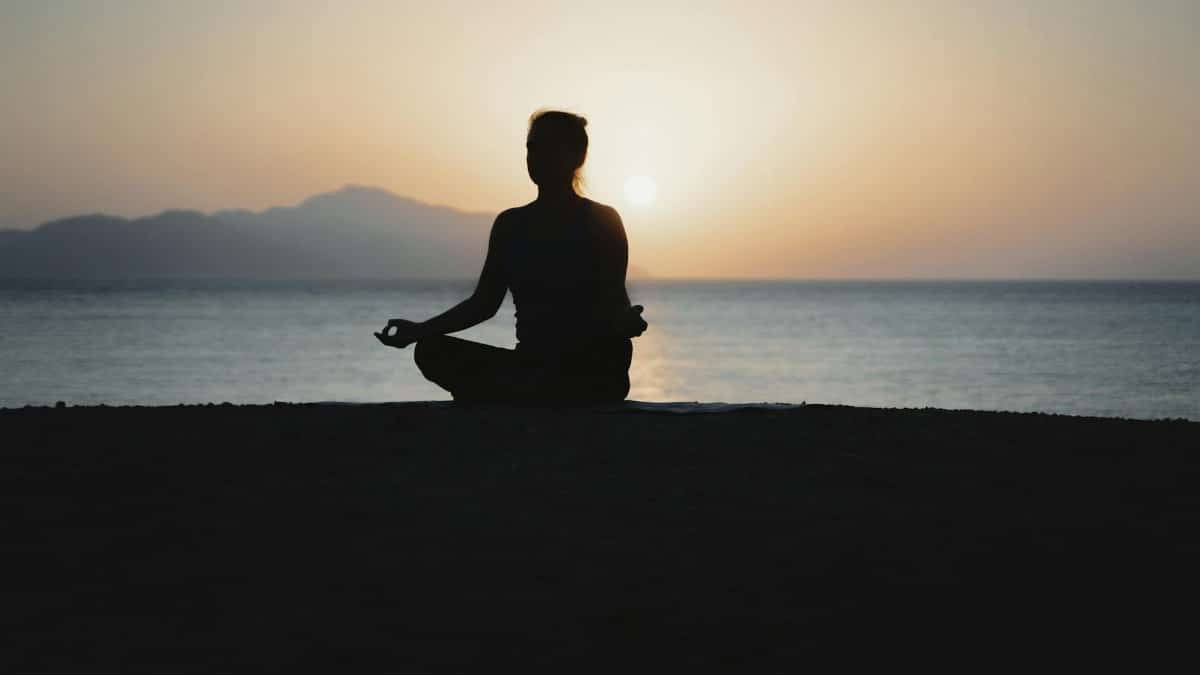
A recent study from the National Institutes of Health revealed that nearly 40% of Americans now incorporate some form of body-centered therapy into their routines, up from just 15% a decade ago. This surge points to a growing recognition that true wellness extends beyond the mind alone. Enter somatic practices, those embodied approaches that tune into the body’s wisdom to foster deeper healing and balance. From breathwork to mindful movement, these methods are boosting living somatic experiences for many, offering tools to navigate stress, trauma, and everyday disconnection. As we step into 2025, with mental health conversations at an all-time high, understanding how these practices enhance holistic living feels more relevant than ever. They promise not just relief, but a profound shift toward integrated well-being.
1. Breathwork for Emotional Release

Start with something as simple as breathing, yet breathwork transforms it into a powerful tool. Practitioners guide you through intentional patterns, like deep diaphragmatic inhales or rhythmic exhales, to release pent-up emotions stored in the body. Imagine a middle-aged accountant, overwhelmed by years of corporate grind, discovering during a session how a few minutes of focused breathing unraveled knots of anxiety he didn’t even know were there. This practice boosts holistic living by connecting the breath to the nervous system, calming the fight-or-flight response. Research from the National Center for Biotechnology Information shows breathwork can lower cortisol levels, promoting overall emotional grounding. It’s not about forcing change; it’s about allowing the body to speak.
Variety comes in forms, from holotropic breathing to simpler pranayama techniques borrowed from yoga traditions. One person, sharing anonymously in online discussions, described it as “waking up muscles that had been asleep for decades,” highlighting how it fosters self-awareness without overwhelming the mind. In a fast-paced U.S. culture where burnout is rampant, integrating breathwork into daily routines offers a quiet rebellion against constant hustle.
2. Yoga as Embodied Mindfulness

What if moving your body could quiet the mental chatter? Yoga does just that, blending postures with breath to cultivate presence. It’s more than stretching; it’s a dialogue between body and mind. Picture a group class in a Brooklyn studio, where participants flow through sun salutations, each movement syncing with inhales and exhales, gradually dissolving the day’s tensions. This somatic practice enhances holistic living by improving flexibility, both physical and emotional, helping individuals respond to life’s curves with greater ease.
Studies, including one from Harvard Medical School, link yoga to reduced symptoms of depression and anxiety. Dive into the Harvard Health Publishing overview for details on how it modulates the stress response. For middle-aged folks juggling careers and family, yoga provides a sanctuary, a space to reconnect with the body’s innate rhythms. It’s practical, accessible, and profoundly transformative when practiced consistently.
3. Tai Chi for Fluid Energy Flow

Tai Chi unfolds like a slow dance, its gentle forms channeling energy through deliberate, flowing movements. Rooted in ancient Chinese traditions, it emphasizes balance and harmony, making it ideal for those seeking somatic ways to boost daily living. Consider an elderly veteran in Chicago who turned to Tai Chi after retirement, finding that the practice not only eased joint pain but also steadied his mood swings from past traumas. The key lies in its focus on internal awareness, where each shift in weight teaches patience and presence.
Evidence from the Centers for Disease Control and Prevention highlights Tai Chi’s benefits for fall prevention and mental clarity among older adults. In 2025, as longevity becomes a national conversation, this practice stands out for its gentle approach to holistic health, weaving physical vitality with emotional resilience.
4. Somatic Experiencing to Heal Trauma

Trauma lives in the body, often beyond words. Somatic Experiencing, developed by Peter Levine, gently guides individuals to track physical sensations, releasing trapped energy from past events. It’s less about retelling stories and more about noticing a flutter in the chest or a tingle in the limbs. One illustrative snapshot: a teacher from Texas, after a car accident, used this method to thaw the freeze response that had gripped her for months, emerging with a renewed sense of safety.
This approach directly supports boosting living somatic by realigning the nervous system. A study published in the Journal of Traumatic Stress underscores its efficacy; check the Journal of Traumatic Stress for related research. Amid rising awareness of mental health in the U.S., it offers a grounded path to wholeness.
5. Body Scan Meditation for Inner Awareness

Ever paused to truly feel your toes? Body scan meditation invites just that, systematically directing attention from head to foot, noting sensations without judgment. It starts quietly, perhaps lying down in a dimly lit room, as the mind wanders through tension spots and releases them one by one. For a busy parent in Seattle, this became a nightly ritual, melting away the accumulated stress of parenting and work, revealing layers of calm beneath the surface.
By fostering this awareness, it boosts holistic living, integrating mind and body. The Mindful.org resources, backed by mindfulness research, show reductions in chronic pain and improved sleep. It’s a subtle yet profound tool, especially in an era where digital distractions pull us away from our physical selves.
6. Dance Therapy to Express Freely

Dance therapy turns movement into therapy, encouraging free expression through rhythm and gesture. No need for perfect steps; it’s about what the body wants to say. Envision a workshop in Los Angeles where participants sway to soft music, shaking off inhibitions and uncovering joy in spontaneous motion. One anonymous online account shared how it helped process grief, “like dancing the sadness out until lightness returned.”
This practice enhances somatic living by tapping into creativity and emotional release. Supported by findings from the American Dance Therapy Association, it aids in mental health recovery. Explore their official site for studies on its impacts. In diverse U.S. communities, it’s gaining traction as a vibrant path to holistic balance.
7. Feldenkrais Method for Efficient Movement

The Feldenkrais Method reeducates the body through subtle, exploratory movements, improving posture and reducing strain. Lessons might involve rolling on the floor or gentle twists, awakening new ways to move with less effort. Think of a writer in Boston who, plagued by back pain from long hours at the desk, found relief and greater ease through these sessions, transforming how she carried herself daily.
It boosts holistic living by enhancing body intelligence. Research from the Feldenkrais Research Journal indicates benefits for chronic conditions; visit the International Feldenkrais Federation for abstracts. As Americans seek sustainable wellness in 2025, this method offers practical insights into embodied efficiency.
8. Alexander Technique for Postural Harmony

Alexander Technique focuses on unlearning harmful habits, promoting natural alignment in everyday activities. Teachers guide you to notice tensions in sitting or walking, then release them for freer movement. A musician from Nashville recalled how it refined her stage presence, easing vocal strain and boosting confidence. The technique whispers that less effort often yields more grace.
By aligning body and intention, it supports somatic boosting in living holistically. Studies, including those from the British Medical Journal, affirm its role in pain management. Link to the BMJ study for evidence. It’s a timeless tool amid modern ergonomic challenges.
9. Grounding Exercises to Anchor Presence
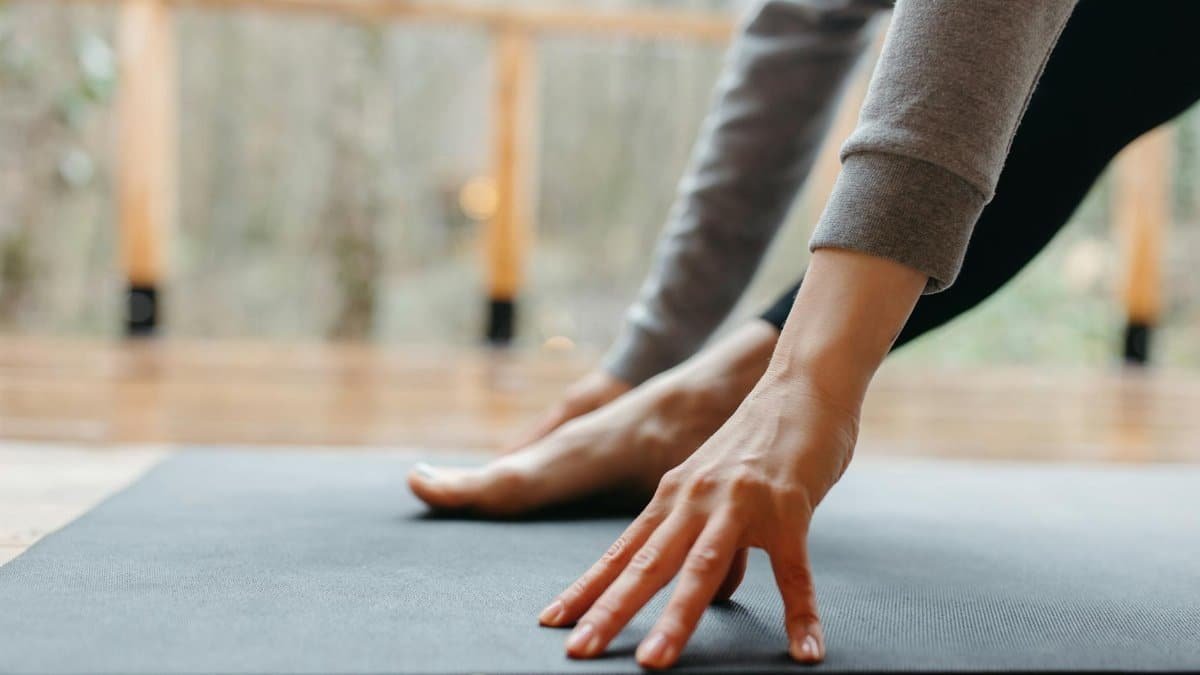
Grounding exercises root you in the now, using senses to connect with the earth. Simple acts like feeling your feet on the ground or touching a tree can dispel overwhelm. In a park in Denver, a group practices this, pressing palms to grass and breathing deeply, each person finding stability amid life’s chaos.
These boost holistic living by countering disconnection. The VA’s PTSD resources detail its trauma benefits. In turbulent times, it’s an essential somatic anchor.
10. Mindful Walking for Integrated Motion

Mindful walking turns a stroll into meditation, attuning to each step’s sensation. Feel the heel strike, the weight shift, the air on your skin. A retiree in Florida wove this into her mornings, noticing how it wove calm into her thoughts, making routine paths feel alive with possibility.
It enhances somatic living by blending movement with awareness. Backed by mindfulness studies from the University of Wisconsin, it reduces rumination. See their Center for Healthy Minds for related work. As a capstone practice, it ties together body, mind, and environment for enduring holistic vitality.