

What if the key to navigating life’s chaos isn’t about controlling the outside world, but mastering the calm within? In a nation where stress levels continue to climb, many Americans are turning inward. A recent poll showed that over 40 percent of adults report feeling overwhelmed by daily demands. This search for balance often leads to exploring inner, self-regulation, stability. It’s not just a buzzword. It’s a practical framework for building resilience. From bustling cities to quiet suburbs, people are discovering techniques that foster emotional equilibrium. These methods promise not instant fixes, but steady progress toward a more centered life. As we delve into six such approaches, consider how they might reshape your own routines in 2025.
1. Mindful Breathing Exercises

Breathing might seem automatic, yet it’s a powerful tool for inner stability. Start with the basics. Inhale deeply through the nose for a count of four. Hold for four. Exhale slowly for four. This simple cycle, known as box breathing, can interrupt spiraling thoughts. Navy SEALs use it to stay composed under pressure. Imagine a busy parent in Chicago, pausing amid the morning rush. She closes her eyes, breathes, and suddenly the kitchen chaos feels manageable. Research backs this up. A study from the University of California found that regular breathing practices reduce cortisol levels by up to 25 percent. NCBI Study on Breathing and Stress.
But it’s not always straightforward. Some find their minds wander during sessions. That’s normal. The point is persistence. Over time, this technique builds a foundation for self-regulation. It teaches the body to respond rather than react. In group settings, like workplace wellness programs, participants often share how it transforms tense meetings. One anonymous account from an online forum described it as “a reset button for my overloaded brain.” Such stories highlight its accessibility. No fancy equipment needed. Just your breath and a quiet moment.
Extending this, combine it with visualization. Picture tension leaving with each exhale. This adds a layer of mental imagery, enhancing the effect. As trends evolve in 2025, expect more apps integrating these exercises with biofeedback. Yet the core remains timeless. It’s about reclaiming control from within.
2. Journaling for Emotional Clarity

Grab a notebook. Spill your thoughts. Journaling isn’t just venting; it’s a structured way to process emotions. Begin by noting three things you’re grateful for each day. Then, explore a challenge. What triggered it? How did it feel? This reflection fosters self-awareness, a cornerstone of inner, self-regulation, stability.
Consider Sarah, a teacher from Texas. Overwhelmed by grading papers and parent emails, she started journaling at night. “It was like untangling a knot,” she later reflected. Her story echoes many. A report from the American Psychological Association links consistent journaling to improved mood regulation. APA on Journaling Benefits. The data shows participants experiencing lower anxiety after just weeks.
Vary the approach to keep it fresh. Try prompt-based entries, like “What boundary did I set today?” This prevents it from becoming rote. In a fast-paced world, where digital distractions abound, putting pen to paper grounds you. It creates a record of growth, revealing patterns over time. Some blend it with art, doodling alongside words for a creative twist. As 2025 brings more emphasis on mental health, journaling stands out as a low-cost, effective practice.
Challenges arise, though. What if words don’t flow? Start small. Even bullet points count. The goal is insight, not perfection. Through this, many discover hidden strengths, bolstering their inner stability.
3. Physical Movement as a Regulator

Movement isn’t just for fitness. It’s a pathway to emotional balance. Think yoga or a brisk walk. These activities release endorphins, easing mental fog. A gentle flow of poses can realign body and mind, promoting stability.
Picture a retiree in Florida, lacing up sneakers after a sleepless night. The rhythm of steps quiets his racing thoughts. Studies support this. Research from Harvard Medical School indicates that regular exercise enhances self-regulation by improving prefrontal cortex function. Harvard on Exercise and Brain Health.
Diversify to suit moods. On high-energy days, opt for running. For reflection, choose tai chi. This adaptability makes it sustainable. Online communities buzz with tales of transformation, like one user sharing how daily walks “turned my inner turmoil into steady calm.” Yet, it’s not without hurdles. Motivation dips in winter months. Partnering with a friend can help. In essence, movement bridges the physical and emotional, guiding toward lasting inner poise.
As we look at 2025 trends, wearable tech will track how movement influences mood, offering personalized insights. Still, the human element persists. Listen to your body. It knows the way.
4. Cognitive Reframing Techniques
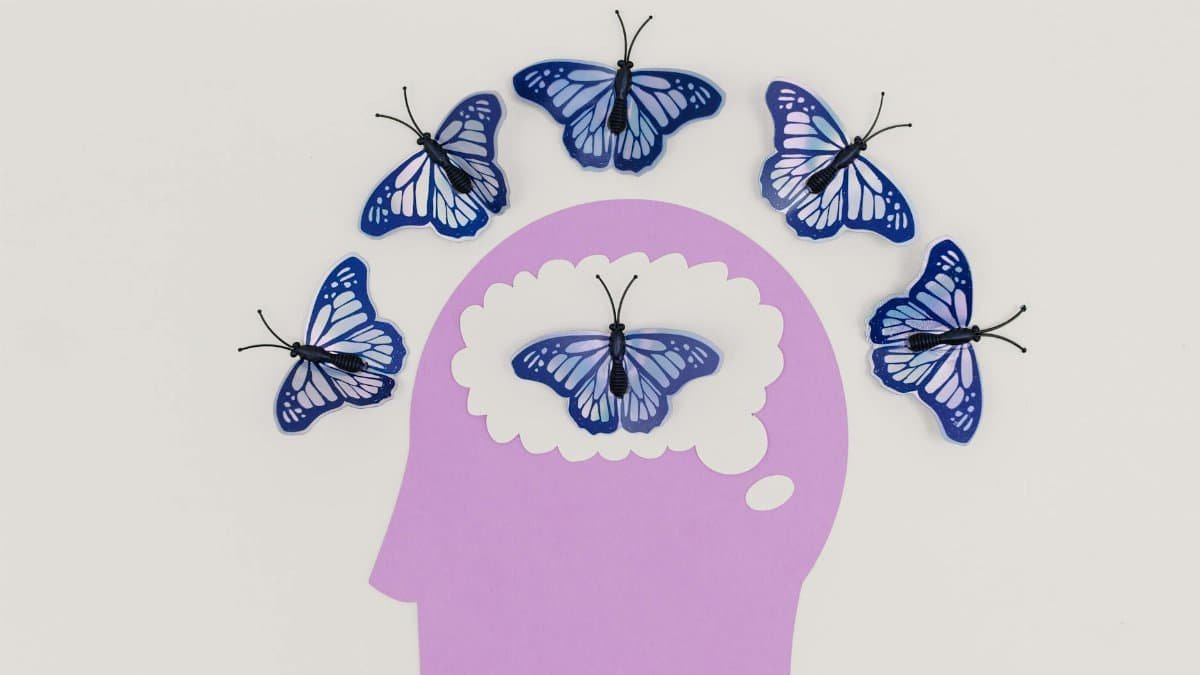
Shift your perspective. Cognitive reframing turns negatives into opportunities. Caught in traffic? Instead of frustration, see it as time for a podcast. This mental pivot builds resilience.
In practice, it starts with awareness. Identify a distorted thought. Challenge it with evidence. A study by the National Institutes of Health demonstrates reframing’s role in reducing depression symptoms. NIMH on Cognitive Behavioral Techniques. Participants reframed daily stressors, reporting greater stability.
Apply it broadly. In relationships, reframe criticism as feedback. At work, view setbacks as lessons. A young professional in New York recalled reframing a failed project: “It wasn’t defeat; it was data.” Such shifts accumulate, strengthening inner self-regulation.
Of course, it’s tricky at first. Old habits die hard. Practice with small annoyances. Over time, it becomes second nature. In a year like 2025, with economic uncertainties, this technique offers a mental anchor, helping maintain equilibrium amid flux.
5. Building Supportive Routines

Routines anchor us. Design ones that nurture stability. Morning rituals, like meditation followed by tea, set a positive tone. Evening wind-downs signal rest.
Take Mark, a software engineer from Seattle. His chaotic days shifted after establishing a bedtime routine. No screens after 9 p.m. Reading instead. Sleep improved, as did his focus. Evidence from the Centers for Disease Control and Prevention underscores routines’ impact on well-being. CDC on Sleep and Routines.
Customize to life stages. Parents might include family check-ins. Empty-nesters, hobbies. Flexibility is key; rigid schedules can backfire. One online reflection noted, “My routine isn’t perfect, but it’s mine, and it keeps me steady.” This personalization enhances self-regulation.
Adapt as needed. In 2025, with hybrid work models, routines might incorporate virtual boundaries. The core? Consistency breeds calm, fostering inner, self-regulation, stability through predictable patterns.
6. Mindfulness in Daily Interactions

Bring awareness to conversations. Listen actively. Respond thoughtfully. This mindfulness in interactions regulates emotions in real time.
Envision a heated family dinner. Instead of snapping, pause. Acknowledge feelings. Research from Pew Research Center shows mindful communication strengthens relationships, aiding personal stability. Pew on Relationships and Communication.
Techniques include mirroring: Repeat back what you heard. It clarifies and de-escalates. In professional settings, this prevents misunderstandings. A manager shared how it transformed team dynamics, creating a more stable environment.
It’s challenging in conflict. Emotions run high. Start with low-stakes talks. Build from there. As 2025 emphasizes connectivity, this practice counters digital isolation, enhancing inner poise through genuine connections.
Ultimately, these six techniques weave together, offering a tapestry of tools for inner, self-regulation, stability. They invite experimentation, promising a more balanced life ahead.