

In a fast-paced world, daily, supporting, self-regulation is emerging as a game-changer for millions struggling with stress and burnout. New data from a 2024 survey by the American Psychological Association shows that 62% of adults report improved mental health through simple self-regulation practices. As we head into 2025, these techniques are gaining traction in workplaces and homes across the U.S., offering practical ways to maintain calm and focus without relying on medication or therapy.
1. Deep Breathing Exercises

Start with the basics: deep breathing. This technique involves inhaling slowly through the nose for a count of four, holding for four, then exhaling through the mouth for four. It’s proven to lower cortisol levels quickly. A study from Harvard Medical School highlights how it activates the parasympathetic nervous system, promoting relaxation. Incorporate it into your morning routine for better emotional control throughout the day. Experts recommend practicing for five minutes daily to build resilience against stress.
2. Mindfulness Meditation

Mindfulness meditation encourages focusing on the present moment without judgment. Apps like Headspace guide beginners through sessions as short as three minutes. Research from the National Institutes of Health shows it reduces anxiety by 30% in regular users. In 2025, with rising mental health awareness, this practice supports daily self-regulation by rewiring brain patterns for better impulse control.
3. Progressive Muscle Relaxation

Tense and release muscle groups sequentially, starting from your toes up to your head. This method, developed by Dr. Edmund Jacobson in the 1920s, helps release physical tension that builds up from daily stressors. A 2023 review in the Journal of Clinical Psychology found it effective for insomnia and chronic pain. Use it before bed to enhance sleep quality and overall emotional stability.
4. Journaling for Reflection

Write down thoughts and emotions daily to process them effectively. This self-regulation tool helps identify triggers and patterns. According to a study by the American Psychological Association, expressive writing reduces stress hormones. Make it a habit after dinner to clear your mind and prepare for the next day.
5. Setting Boundaries

Learn to say no and establish limits in work and personal life. This technique prevents overload and fosters self-respect. Workplace surveys indicate that boundary-setting reduces burnout by 25% among employees. In today’s hybrid work environments, it’s crucial for maintaining productivity without sacrificing well-being.
6. Physical Activity Breaks

Incorporate short walks or stretches into your schedule. Exercise releases endorphins, natural mood boosters. The CDC reports that even 10 minutes of activity daily improves self-regulation by enhancing focus and reducing impulsivity. Aim for midday breaks to recharge and tackle afternoon tasks with renewed energy.
7. Cognitive Reframing
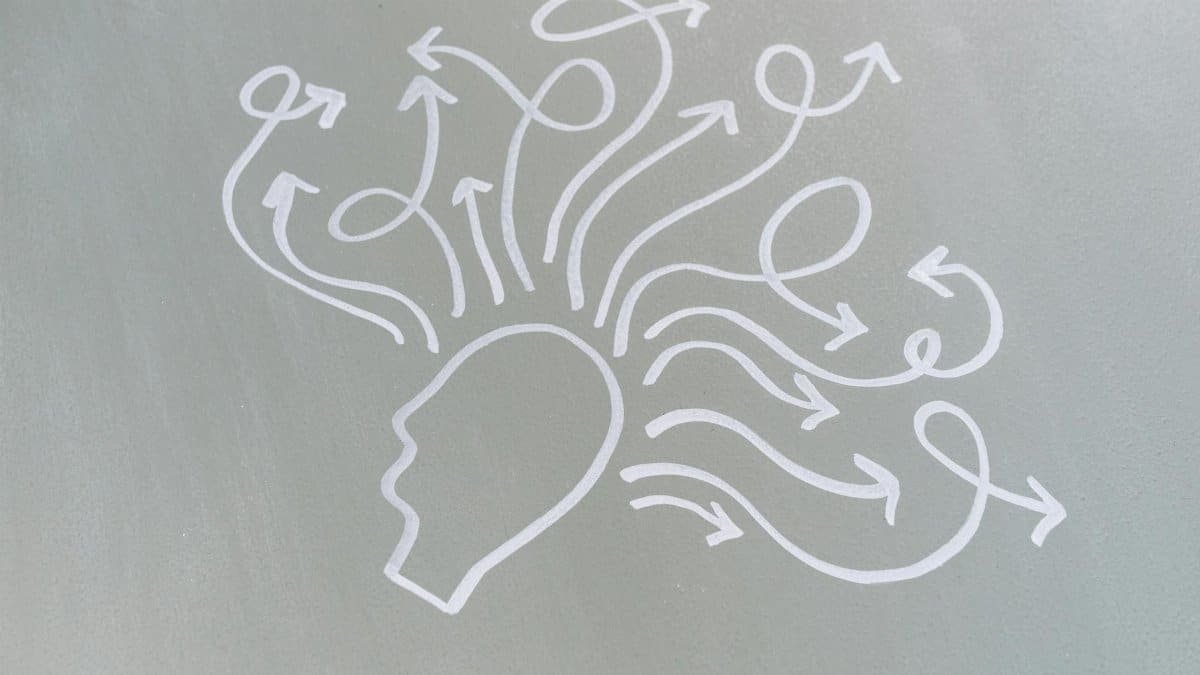
Challenge negative thoughts by viewing situations from a different perspective. This psychological strategy turns setbacks into learning opportunities. Studies from Yale University show it decreases depression symptoms over time. Practice by questioning assumptions during stressful moments, leading to more balanced reactions.
8. Gratitude Practices

List three things you’re thankful for each day. This shifts focus from lacks to abundances, building emotional resilience. Research published in the Journal of Positive Psychology links gratitude to lower stress levels. In 2025, as economic uncertainties persist, this simple habit supports daily self-regulation by fostering positivity.
9. Sensory Grounding Techniques

Use your senses to stay present: name five things you see, four you can touch, three you hear, two you smell, and one you taste. This quick method interrupts anxiety spirals. Emergency responders often use it, and it’s backed by trauma therapy experts for immediate calm.
10. Digital Detox Periods

Schedule time away from screens to reset your mind. Constant notifications disrupt focus, but unplugging for an hour daily improves attention span. A Pew Research Center report notes that 45% of Americans feel overwhelmed by tech; detoxing counters this, enhancing self-regulation in a connected world.
These techniques, rooted in science and everyday applicability, empower individuals to navigate life’s demands. As communities embrace them, the ripple effects on mental health could transform U.S. society in 2025 and beyond.