
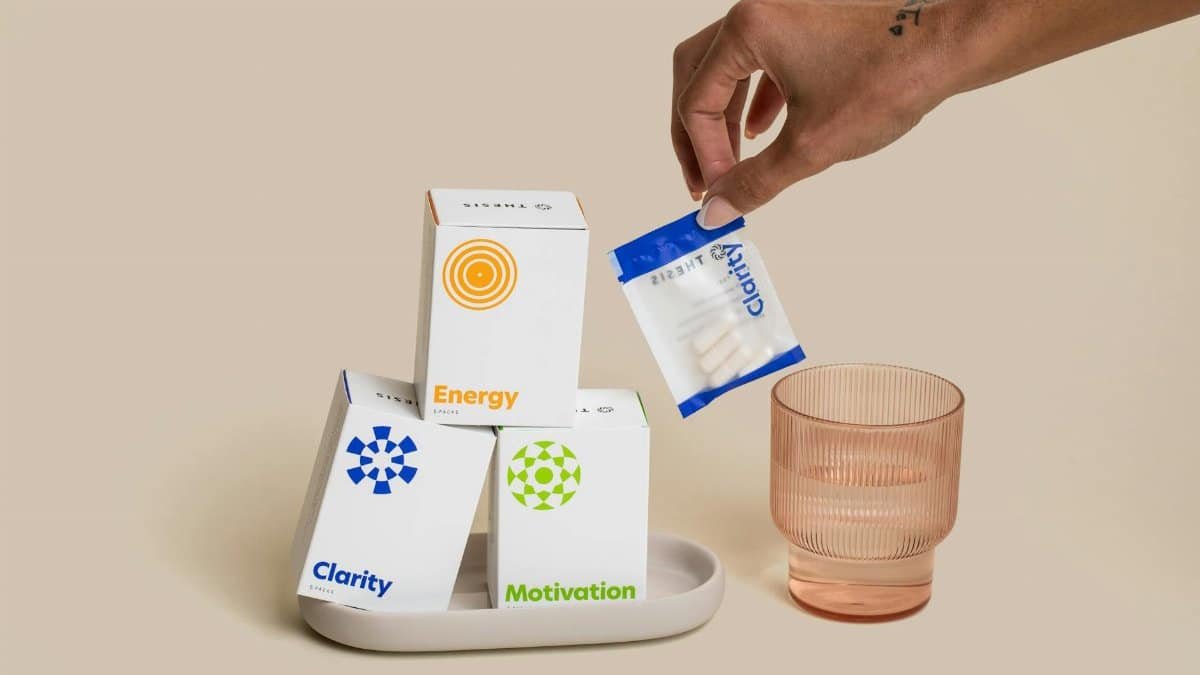
In a fast-paced world, wellness, advancing, clarity is becoming essential for many Americans. New data from the American Psychological Association shows that 45% of U.S. adults report improved emotional resilience after adopting daily clarity habits. These practices, which focus on mental sharpness and emotional balance, are driving wellness trends in 2025. From mindfulness exercises to structured routines, they’re helping people combat stress and enhance overall health. As families prioritize these habits, experts say they’re key to long-term well-being in an increasingly chaotic environment.
1. Start with Morning Meditation

Begin your day with a 10-minute meditation session. This habit clears mental fog and sets a positive tone. Studies indicate that regular meditation reduces anxiety by up to 30%. In the U.S., apps like Headspace have seen a surge in users seeking clarity amid work pressures. By focusing on breath, you advance wellness through better focus and reduced reactivity. Incorporate it daily for noticeable improvements in emotional stability.
2. Practice Journaling for Reflection

Dedicate time each evening to journaling thoughts and goals. This promotes clarity by organizing emotions and identifying patterns. According to research from the University of Rochester, reflective writing enhances self-awareness and decision-making. Americans are turning to this habit to navigate personal challenges, advancing their wellness journey. Keep entries concise—aim for three key insights per session—to build consistency without overwhelm.
3. Incorporate Mindful Breathing Breaks

Take short breathing breaks throughout the day. Techniques like 4-7-8 breathing calm the mind and improve concentration. The National Institutes of Health notes that such practices lower cortisol levels, supporting mental health. In 2025, wellness trends emphasize these quick resets for busy professionals. They advance clarity by interrupting stress cycles, leading to sustained energy and better mood regulation.
4. Limit Screen Time for Digital Detox

Set boundaries on device usage, especially before bed. Excessive screens disrupt sleep and mental clarity. A study by the Pew Research Center reveals that 60% of Americans feel overwhelmed by digital overload. By advancing wellness through detox periods, you reclaim focus and reduce information fatigue. Replace scrolling with reading or hobbies to foster deeper emotional resilience.
5. Engage in Physical Activity Outdoors

Combine exercise with nature for dual benefits. A brisk walk in a park boosts endorphins and clears the mind. Data from the Centers for Disease Control and Prevention shows outdoor activity improves cognitive function in adults. This habit is gaining traction in U.S. wellness circles, advancing clarity by connecting body and environment. Aim for 30 minutes daily to enhance overall vitality.
6. Prioritize Hydration and Nutrition

Stay hydrated and eat brain-boosting foods like nuts and greens. Proper nutrition supports cognitive clarity and energy levels. The Harvard T.H. Chan School of Public Health links balanced diets to better mental performance. In advancing wellness trends, Americans are focusing on these basics for long-term health gains. Track intake to ensure consistency and notice the impact on daily focus.
7. Build Social Connections Mindfully

Cultivate meaningful interactions without distractions. Quality time with loved ones fosters emotional clarity. Research from the American Journal of Health Promotion indicates strong social ties reduce isolation-related stress. As families adopt this habit, it’s advancing wellness by building support networks. Schedule regular check-ins to strengthen bonds and gain fresh perspectives.
8. End with Gratitude Practice
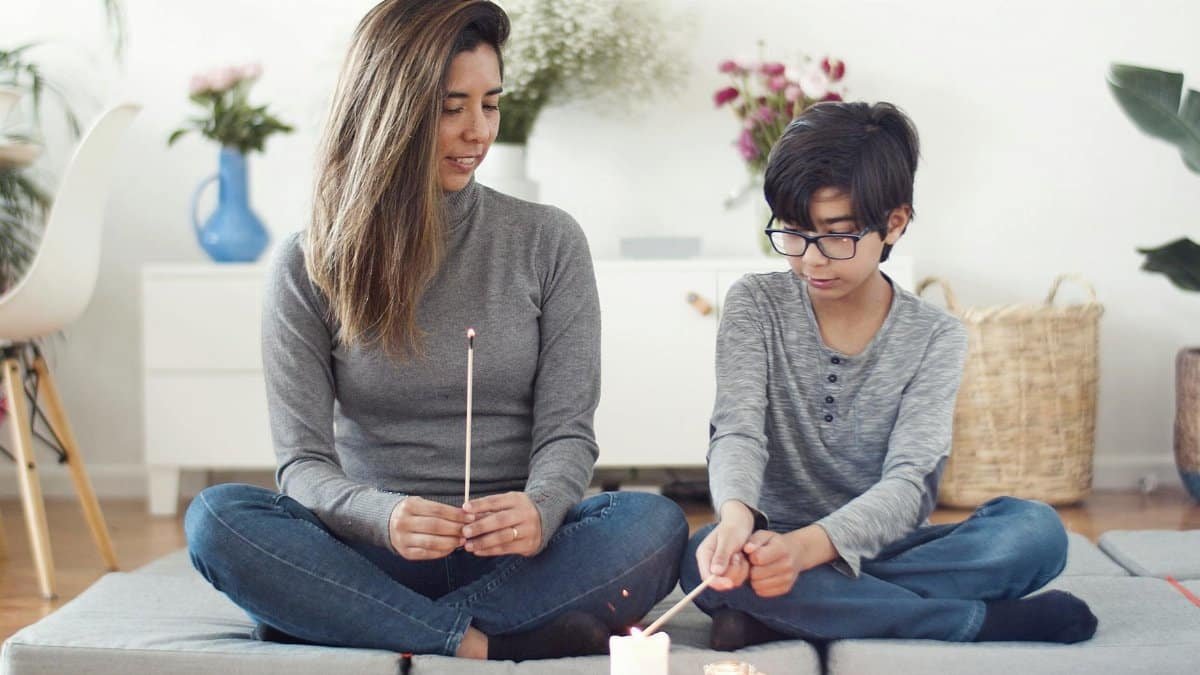
Close your day noting three things you’re grateful for. This shifts mindset from chaos to positivity. A study published in the Journal of Positive Psychology found gratitude exercises increase happiness by 25%. In 2025, this simple ritual is a cornerstone of U.S. wellness trends, advancing clarity through reinforced optimism. Make it a bedtime routine for better sleep and renewed purpose.
For more on meditation benefits, check American Psychological Association’s Mindfulness Resources. On nutrition’s role in mental health, see Harvard T.H. Chan School of Public Health’s Brain Diet Guide.