

A recent study from the Pew Research Center found that nearly 60 percent of American adults report feeling more connected to their loved ones through simple shared routines, up from just 40 percent a decade ago. This surge points to a growing recognition of how intentional practices can mend emotional rifts and boost well-being. In bustling households across the U.S., from suburban Chicago to coastal California, families are turning to these rituals amid rising stress levels. The concept of elevating, healing, family isn’t new, but its resurgence in 2025 reflects a broader quest for balance. As remote work blurs boundaries and digital distractions pull us apart, these rituals offer a quiet anchor. They foster deeper bonds, heal old wounds, and elevate everyday moments into something meaningful. What started as survival tactics during tough times now shapes how many approach daily life.
1. Morning Gratitude Circles

Families kick off the day by gathering in a loose circle, often around the kitchen table, sharing one thing they’re thankful for. This ritual sets a positive tone, easing into the morning rush. One mother in Texas described it as a buffer against the chaos of school drop-offs and commutes. She noticed her kids arguing less, their moods lifting as they voiced appreciations for small wins, like a good night’s sleep or a favorite breakfast. Research supports this. A study from Harvard University highlights how gratitude practices strengthen relationships and reduce anxiety. Over time, these circles build resilience, turning potential conflicts into opportunities for connection. It’s simple, requiring no props, just a few minutes before the day unfolds. In 2025, with mental health conversations more open, such habits are gaining traction in diverse households.
Yet, it’s not always seamless. Some families face resistance from teens glued to screens, but persistence pays off. By modeling vulnerability, parents encourage participation, weaving empathy into the family fabric. This elevates routine mornings into healing spaces.
2. Evening Story Sharing

Picture a living room dimly lit, where family members recount highlights from their day, weaving tales of triumphs and mishaps. This isn’t scripted; it flows naturally, perhaps over herbal tea. A father in New York shared how this practice uncovered his daughter’s hidden struggles at school, leading to supportive talks that mended their bond. It’s a ritual that heals by listening, elevating individual experiences into shared narratives.
According to findings from the American Psychological Association, storytelling fosters emotional intelligence and family cohesion. In an era of fragmented attention, this counters isolation. Families adapt it, sometimes incorporating photos or drawings, making it inclusive for all ages. The key is consistency, turning it into a awaited end-of-day anchor.
Challenges arise when schedules clash, but flexibility helps. Skip a night, and the next feels richer. This ritual reminds us that healing often hides in the stories we tell.
3. Weekly Nature Walks

Stepping out together for a stroll in a local park or trail becomes a ritual that clears minds and mends hearts. Birds chirp, leaves rustle, and conversations deepen away from home’s distractions. One online account described a family in Oregon rediscovering joy after loss through these walks, each step peeling away grief. It’s elevating, healing, family at its core, grounding everyone in the present.
A report from the National Institutes of Health links nature exposure to reduced stress and improved relational bonds. In 2025, with urban sprawl ongoing, these outings offer respite. Start small, maybe 20 minutes, building to longer hikes. Pack snacks, invite observations—what do you see, hear, feel? This sensory engagement amplifies the healing.
Not every walk is profound; some are quiet, others lively. That’s the beauty. It adapts to moods, fostering patience and understanding.
4. Meal Preparation as Bonding Time
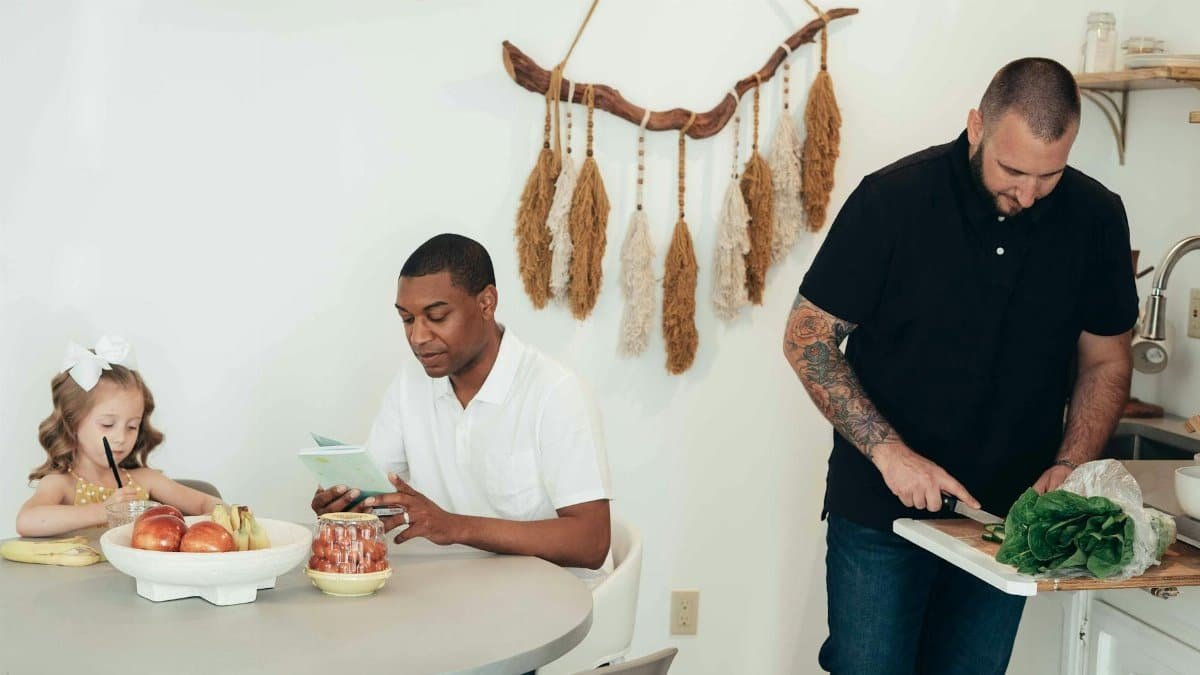
Chopping vegetables side by side transforms cooking into a collaborative ritual. Laughter erupts over spilled ingredients, conversations flow about dreams and worries. A couple in Atlanta turned this into a weekly event, healing tensions from busy work lives. It elevates mundane tasks, making nourishment emotional as well as physical.
Studies from the Journal of Family Psychology show shared chores enhance satisfaction in relationships. Incorporate family recipes to honor heritage, adding layers of meaning. In diverse U.S. kitchens, this ritual bridges generations, healing cultural gaps.
Of course, not all enjoy cooking, so keep it light. Assign roles based on strengths, turning potential drudgery into playful teamwork. Over time, it builds trust and elevates daily sustenance.
5. Forgiveness Evenings
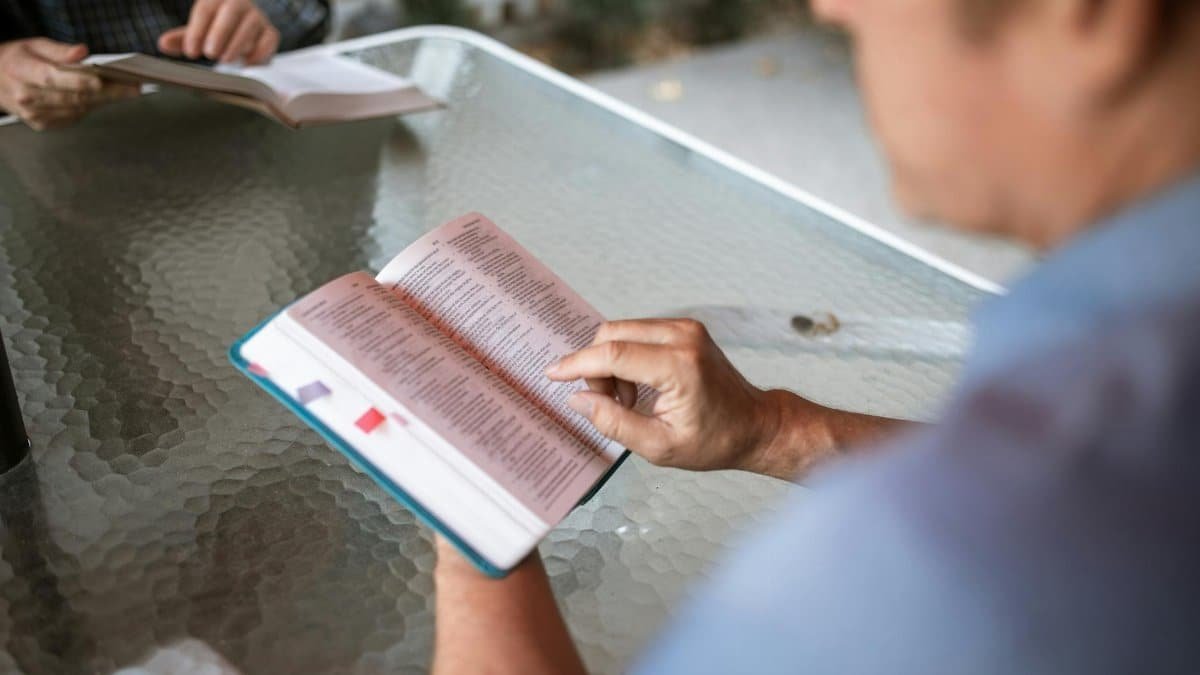
Dedicated time to air grievances and offer forgiveness can seem daunting, but it works wonders. Families sit comfortably, perhaps with candles lit, taking turns expressing hurts without interruption. A Midwestern family found this ritual pivotal after arguments escalated during the pandemic, leading to genuine apologies and renewed closeness.
Research from the Greater Good Science Center at UC Berkeley underscores forgiveness’s role in emotional health.Greater Good Science Center on Forgiveness details how it reduces resentment. In 2025, with therapy more normalized, such home-based practices complement professional help.
Start with guidelines: speak kindly, listen actively. It heals wounds before they fester, elevating family dynamics to a more compassionate level.
6. Creative Expression Sessions

Whether painting, journaling, or playing music together, these sessions unleash creativity as a healing force. No judgments, just free expression. One parent recalled her children’s artwork revealing unspoken fears, sparking supportive dialogues that strengthened their unit.
A study published in the American Journal of Public Health connects arts participation to better mental health outcomes.American Journal of Public Health on Arts and Health explores this link. Families customize it—dance parties for some, poetry for others—making it accessible.
Tensions might surface in vulnerability, but that’s where growth happens. This ritual elevates self-awareness, healing through shared creativity.
7. Tech-Free Hours

Designating time without devices allows undivided attention, a rarity in connected lives. Board games emerge, stories unfold, laughter fills the air. A family in Florida credited this for mending digital divides, rediscovering each other’s company.
Pew Research data shows screen time’s impact on relationships.Pew Research on Parenting and Screens highlights challenges and solutions. In 2025, as tech evolves, these pauses become essential for healing.
Resistance is common at first, but routines build. It elevates presence, fostering deeper connections amid modern distractions.
8. Reflection Journals Shared

Each member keeps a journal, sharing excerpts weekly. Insights into personal growth emerge, bridging emotional gaps. An anonymous online reflection noted how this helped a blended family integrate, healing past insecurities.
Findings from NIH emphasize journaling’s benefits for emotional processing.NIH on Journaling and Mental Health provides evidence. Adapt for ages—drawings for kids, words for adults.
Privacy concerns arise, so set boundaries. This ritual elevates introspection, turning individual healing into family strength.
9. Annual Family Retreats

Planning a yearly getaway, even a local camping trip, creates space for reconnection. Activities like bonfires and games facilitate open talks. A group in Colorado described it as transformative, healing year-long strains in one weekend.
Travel research from the U.S. Travel Association links vacations to stronger bonds. While not always feasible, smaller versions work. In 2025, with hybrid lifestyles, these retreats offer vital resets.
Logistics can overwhelm, but shared planning eases that. Ultimately, it elevates the family narrative, weaving healing into cherished memories.