
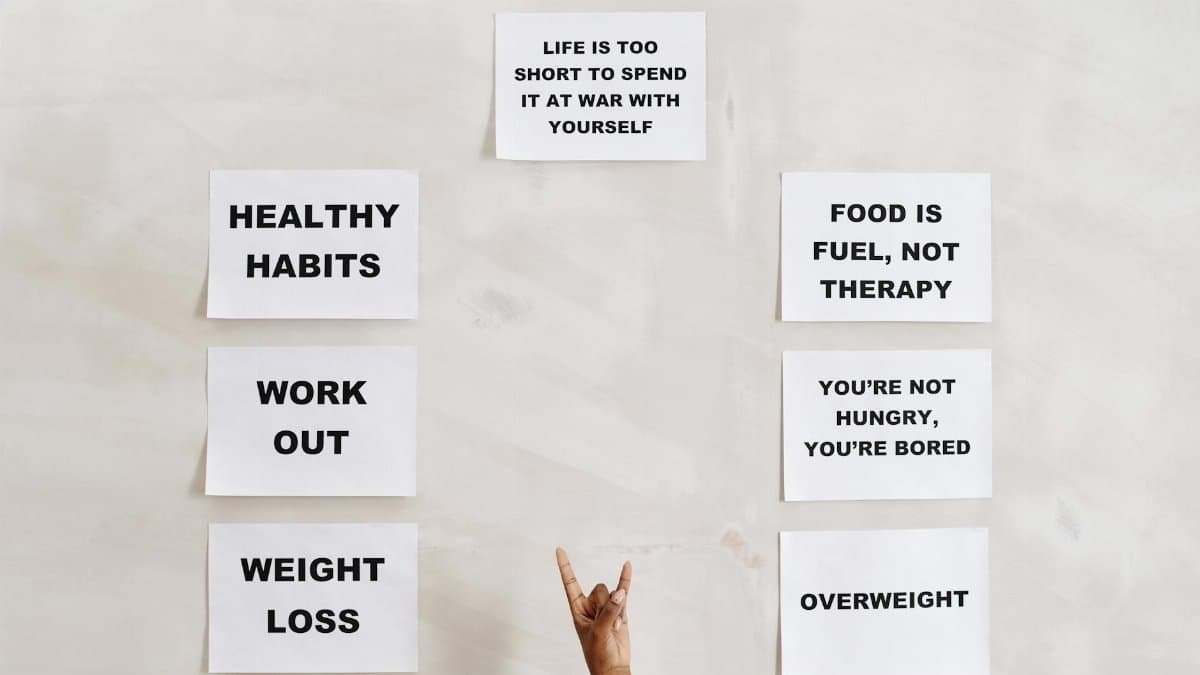
A recent study from the Pew Research Center revealed that 42% of Americans now prioritize practices aimed at mental clarity and reduced stress, up from just 28% a decade ago. This surge points to a growing embrace of improving, holistic, quiet-living amid the chaos of modern life. In bustling cities like New York or Los Angeles, people are turning away from constant hustle. They seek balance through simple, intentional habits. These routines foster physical health, emotional resilience, and spiritual calm. No wonder experts see this shift as a response to burnout rates that have climbed steadily. As we navigate 2025, such habits offer a grounded way to reclaim peace. They integrate mind, body, and environment seamlessly. The appeal lies in their accessibility. Anyone can start small and build from there.
1. Embracing Mindful Meditation

Start with the breath. That’s often the entry point for many dipping into mindful meditation, a cornerstone habit in improving, holistic, quiet-living. Picture a busy parent in Chicago, pausing amid the morning rush to sit quietly for ten minutes. She focuses on each inhale and exhale, letting worries fade. This isn’t about emptying the mind entirely. It’s about observing thoughts without judgment.
Research backs this up. A study published in the Journal of the American Medical Association showed that regular meditation reduces anxiety by up to 30%. Participants reported better sleep and sharper focus after just eight weeks.JAMA Internal Medicine Study highlights how these sessions rewire the brain for calm.
Yet challenges arise. Distractions pull at us constantly. One anonymous account shared online described the initial frustration: feeling like a failure when the mind wandered. Over time, though, persistence paid off. She noticed subtle shifts in daily reactions, responding to stress with more grace. Integrate this habit by setting a timer. Begin with five minutes. Build gradually. The key is consistency, not perfection. In a world of endless notifications, this practice carves out sacred space. It nurtures the whole self, blending mental clarity with physical relaxation.
2. Daily Nature Immersion

Step outside. Feel the earth underfoot. Daily nature immersion invites a profound connection that enhances holistic well-being. In places like Seattle’s rainy trails or Austin’s green belts, folks are rediscovering this simple joy. It’s not just a walk. It’s an intentional engagement with the environment.
Evidence from the National Institutes of Health suggests that time in nature lowers cortisol levels, the hormone tied to stress. Their reports indicate a 20% drop in blood pressure after forest bathing sessions.NIH News Release on Nature and Stress underscores these benefits, drawing from global studies.
Imagine a retiree in Florida, trading screen time for beach strolls. He describes the waves’ rhythm syncing with his heartbeat, easing joint pains and lifting his mood. But urban dwellers face barriers like limited green spaces. Solutions emerge creatively: balcony gardens or park lunches. Vary your approach. One day, observe birds. Another, feel textures of leaves. This habit weaves environmental awareness into quiet-living, fostering gratitude and presence. As 2025 brings more climate conversations, it also reminds us of nature’s role in personal restoration.
3. Intentional Digital Detox

What if unplugging became a ritual? Intentional digital detox strips away the noise, allowing space for genuine reflection. Across the U.S., from tech-heavy Silicon Valley to quieter Midwest towns, people set boundaries with devices. It’s a rebellion against the always-on culture.
A Harvard Health Publishing article notes that excessive screen time disrupts sleep cycles and heightens anxiety. Their analysis recommends designated offline periods to reset.Harvard Health on Digital Detox provides practical tips, supported by sleep studies.
Consider a young professional in Denver who designates evenings as tech-free. She reads books instead, finding her creativity sparks anew. Online forums buzz with similar tales: one user recounted the initial withdrawal, like missing a limb, but soon relishing deeper conversations. Mix it up. Try app blockers or phone-free zones. This habit bolsters improving, holistic, quiet-living by reclaiming time for analog joys. It addresses the mind’s overload, promoting emotional balance in our connected era.
4. Reflective Journaling Practices

Pen meets paper. Reflective journaling captures thoughts, turning chaos into clarity. This habit thrives in quiet moments, helping process emotions and set intentions. In college towns like Ann Arbor or quiet suburbs, notebooks fill with personal insights.
The American Psychological Association links journaling to reduced depression symptoms, with participants showing improved mood after consistent entries.APA on Expressive Writing details how it aids emotional processing.
A teacher in Boston shares how evening entries help unwind from classroom stress. She jots gratitudes and challenges, noticing patterns over weeks. It’s not always linear. Some days, free-flowing rants dominate; others, structured prompts guide. This variability keeps it engaging. For those new to it, start with three sentences: one win, one worry, one wish. Over time, it deepens self-awareness, integral to holistic living. In 2025’s reflective trends, journaling stands as a timeless tool for inner quiet.
5. Nourishing Whole-Food Meals

Eat with intention. Nourishing whole-food meals shift focus from convenience to sustenance, fueling body and mind alike. Farmers’ markets in Portland or community gardens in Atlanta buzz with this ethos.
The CDC reports that diets rich in fruits and vegetables correlate with lower chronic disease risks. Their guidelines emphasize balanced nutrition for overall health.CDC on Healthy Eating Benefits supports this with data from national surveys.
Envision a family in Texas experimenting with home-cooked veggie stir-fries. The kids, initially skeptical, grow to love the vibrant flavors. Challenges include time constraints, but meal prepping helps. Vary recipes: salads one night, soups another. This habit integrates physical nourishment into quiet-living, enhancing energy and mindfulness. It counters fast-food temptations, promoting a holistic approach to well-being.
6. Gentle Movement Routines

Move softly. Gentle movement routines like yoga or tai chi build strength without strain, harmonizing body and spirit. Studios in San Francisco or home setups nationwide see rising participation.
A Mayo Clinic overview confirms that such practices improve flexibility and reduce pain. Their research shows benefits for mental health too.Mayo Clinic on Yoga outlines evidence-based advantages.
One enthusiast in New Orleans describes sunrise sessions easing her back issues, while fostering patience. It’s not about intensity; it’s flow. Beginners might start with online videos, adapting poses as needed. This habit embodies improving, holistic, quiet-living, linking physical vitality to serene mindset. As lifestyles evolve in 2025, it offers sustainable wellness.
7. Curated Reading Sessions

Lose yourself in pages. Curated reading sessions provide escape and insight, a quiet rebellion against digital overload. Libraries in Chicago or cozy corners everywhere host this revival.
Studies from the National Endowment for the Arts indicate reading boosts empathy and cognitive function. Their surveys track engagement trends.NEA Reading Survey reveals growing interest amid digital fatigue.
A book club member in Seattle recounts how weekly reads spark meaningful discussions, deepening connections. Select genres mindfully: fiction for imagination, non-fiction for growth. This habit enriches the soul, complementing holistic quiet-living with intellectual nourishment. It invites reflection in a hurried world.
8. Evening Gratitude Rituals

End the day thankful. Evening gratitude rituals anchor positivity, reviewing blessings before sleep. From coastal California to heartland farms, this practice gains traction.
Research at UC Berkeley’s Greater Good Science Center links gratitude to better sleep and happiness. Their experiments demonstrate lasting effects.Greater Good on Gratitude provides in-depth findings.
Think of a nurse in Philadelphia listing three gratitudes nightly, shifting focus from exhaustion to appreciation. It transforms perspective. Keep it simple: verbalize or note them. This final habit seals improving, holistic, quiet-living, cultivating contentment. In 2025, as uncertainties loom, it fosters resilient optimism.
These eight habits form a tapestry of calm and growth. They invite us to slow down, integrate fully, and thrive amid life’s demands.