
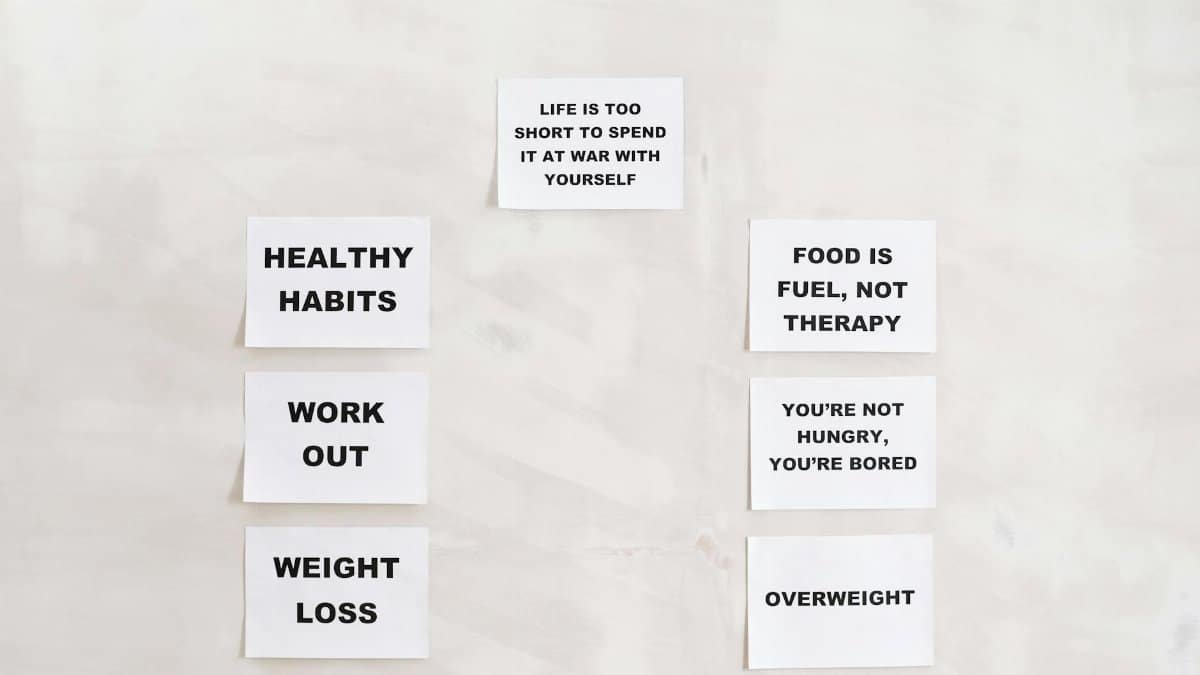
Intro
New data shows 65% of Americans are now incorporating inner-balance habits into their routines, up from 40% just five years ago, according to a recent Pew Research survey. This surge in wellness, inner-balance, changing is reshaping how people approach mental and physical health in 2025. From mindfulness practices to dietary shifts, these habits promise calmer minds and stronger bodies. Experts say the trend reflects a broader push for holistic living amid rising stress levels. But what specific habits are driving this change? Here’s a breakdown of 10 key ones making waves.
1. Daily Meditation Sessions
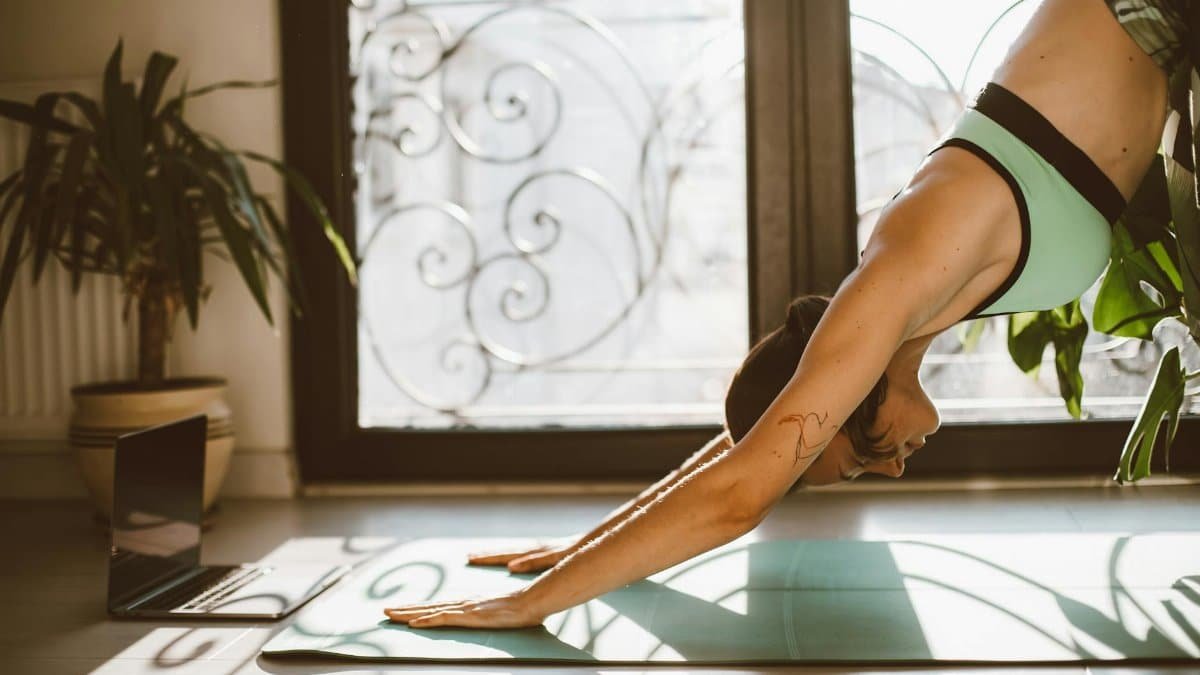
Meditation tops the list for inner-balance seekers. Short, daily sessions of 10 to 15 minutes can reduce anxiety and improve focus. A study from Harvard Medical School found regular meditators experience lower cortisol levels. In bustling U.S. cities, apps like Headspace make it accessible. Users report better sleep and emotional stability, aligning with wellness trends shifting toward mental clarity.
2. Mindful Breathing Exercises
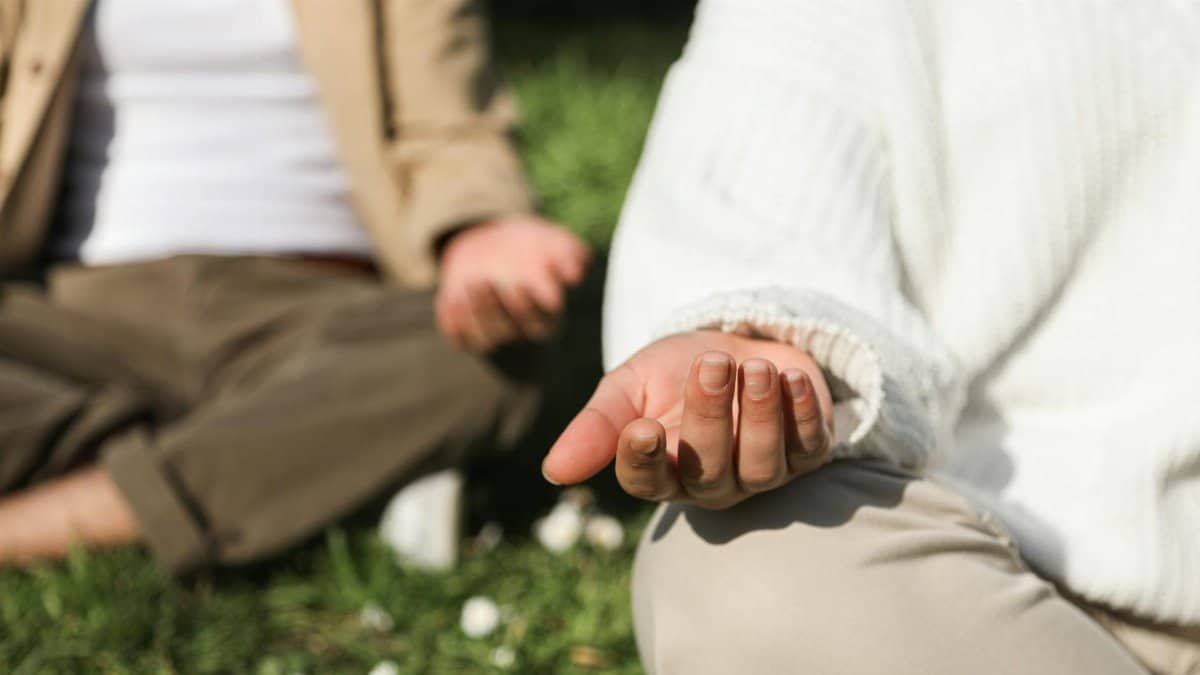
Breathing techniques, such as the 4-7-8 method, help regulate emotions quickly. Practitioners inhale for four counts, hold for seven, and exhale for eight. This habit is gaining traction in workplaces, where stress runs high. Research from the National Institutes of Health links it to reduced blood pressure. It’s a simple tool for changing daily wellness routines without needing equipment.
3. Journaling for Reflection

Writing thoughts daily fosters self-awareness and inner-balance. Many start with gratitude lists to shift negative mindsets. A 2025 report from the American Psychological Association notes journaling cuts depression symptoms by 20%. It’s especially popular among young professionals navigating career pressures, turning personal insights into actionable wellness changes.
4. Nature Walks and Grounding

Stepping outside for walks in green spaces grounds the mind and body. Known as forest bathing in some circles, this habit boosts mood through natural surroundings. The CDC highlights how outdoor activity combats sedentary lifestyles, with data showing improved mental health in participants. In 2025, urban dwellers are prioritizing parks to counter digital overload.
5. Balanced Nutrition Choices

Eating for inner-balance means focusing on whole foods that stabilize energy. Habits like incorporating omega-3s from fish or nuts support brain health. A study in the Journal of the American Medical Association ties nutrient-rich diets to better emotional regulation. This trend is changing wellness by emphasizing food as medicine, not just fuel.
6. Digital Detox Periods

Setting aside screen-free time restores mental peace. Many designate evenings for unplugging, reducing exposure to constant notifications. Pew Research data from 2025 reveals 55% of adults feel overwhelmed by devices, making detoxes essential. This habit promotes deeper connections and sleep quality, key to overall wellness shifts.
7. Yoga for Body-Mind Sync
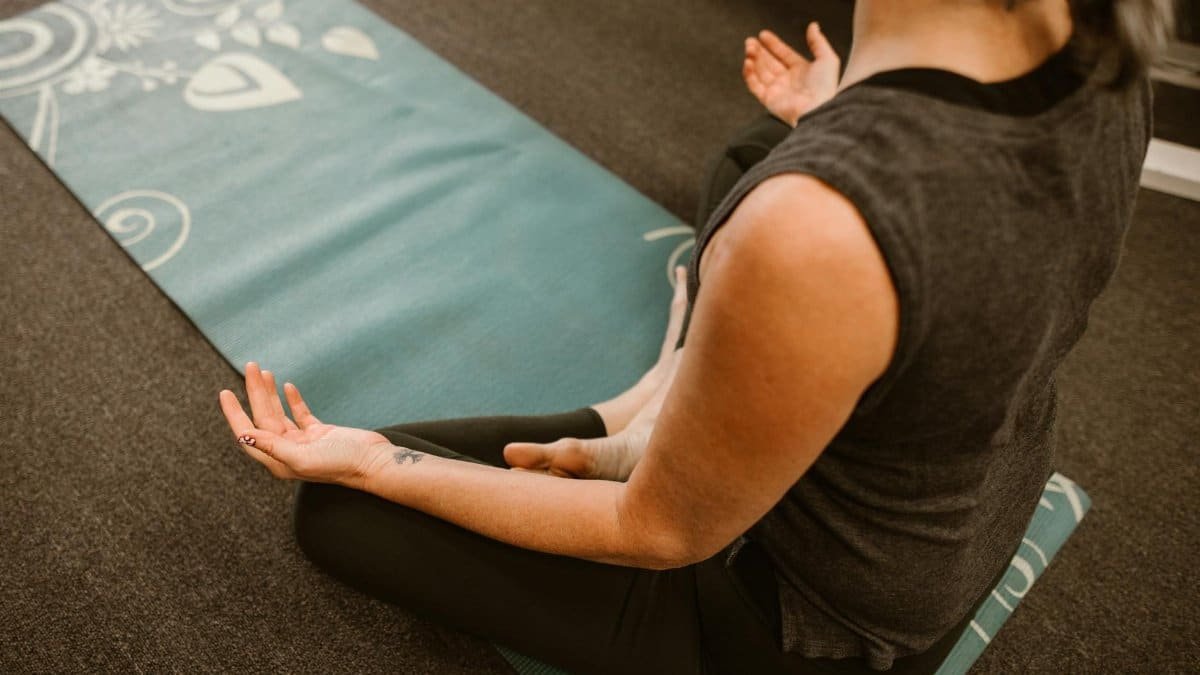
Yoga combines movement and breath to achieve harmony. Beginner flows target tension release, with poses like child’s pose aiding relaxation. The Mayo Clinic reports yoga lowers stress hormones effectively. As wellness evolves, classes are popping up in community centers, helping people adapt to changing life demands.
8. Affirmation Practices
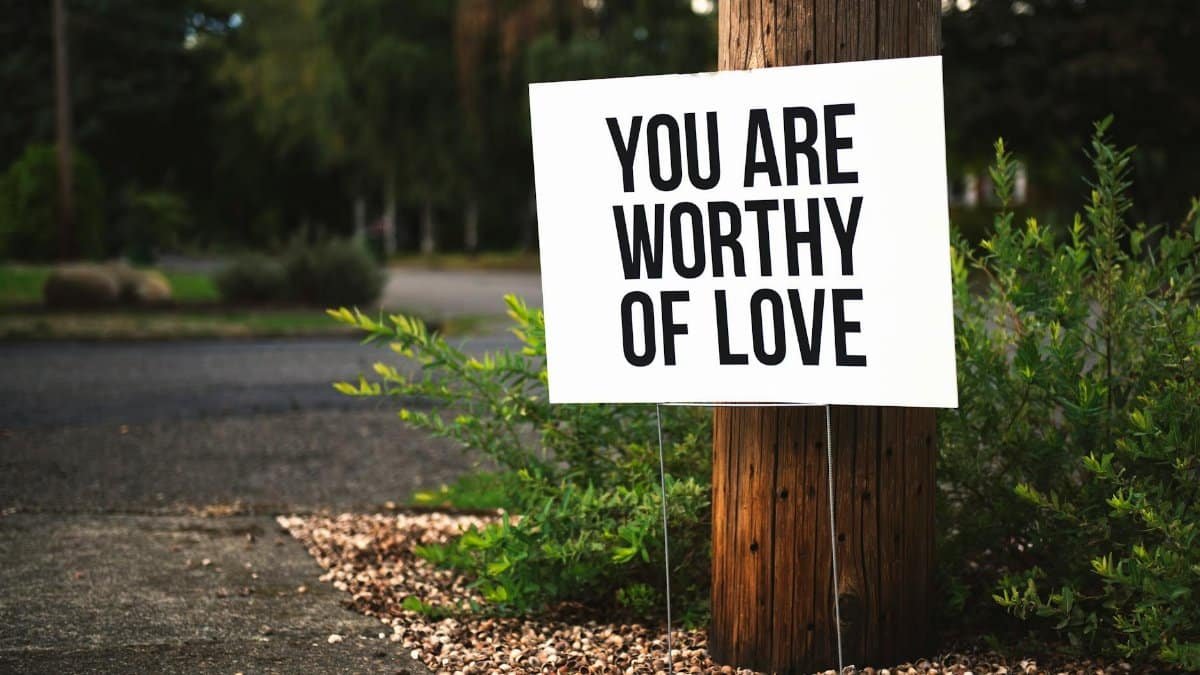
Repeating positive affirmations rewires thought patterns for balance. Simple statements like “I am calm and centered” build resilience. Psychological studies from Stanford University show they enhance self-esteem. In 2025, this habit is trending in self-help circles, driving personal growth amid societal pressures.
9. Sleep Hygiene Routines

Prioritizing consistent sleep schedules ensures restorative rest. Habits include dimming lights an hour before bed and avoiding caffeine late. The National Sleep Foundation links good hygiene to improved cognitive function. This focus is transforming wellness trends, as more recognize sleep’s role in emotional stability.
10. Community Support Groups

Joining groups for shared experiences builds collective inner-balance. Online forums or local meetups offer accountability and advice. A 2025 survey by Gallup indicates group participation boosts motivation by 30%. This social aspect is changing how Americans approach wellness, fostering lasting habits through connection.
For more on meditation benefits, check Harvard Health Publishing. On breathing exercises, see National Center for Complementary and Integrative Health.