
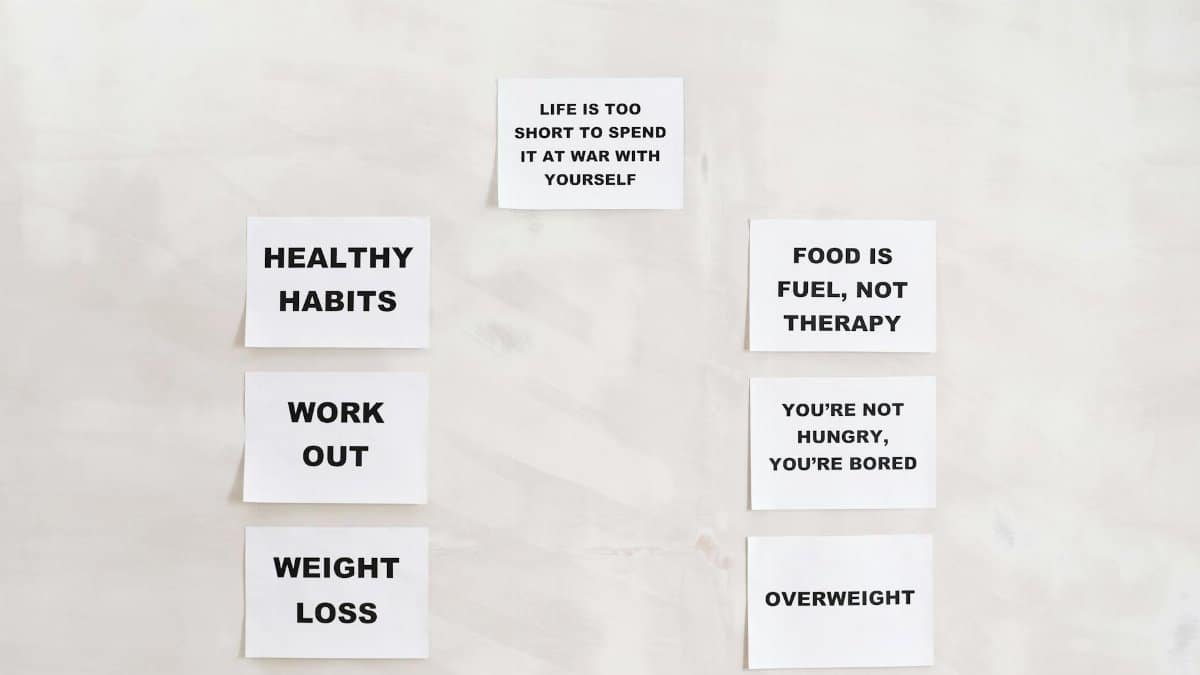
A recent study from the American Psychological Association revealed that 68% of Americans reported heightened stress levels in 2024, up from 59% just five years prior, prompting a surge in interest toward practices that foster emotional stability. This shift underscores a growing recognition of the need for growing, emotional, balance amid the chaos of modern life. In bustling cities like New York or Los Angeles, where the hustle never seems to pause, people are turning to quieter ways of living to reclaim their inner calm. These habits aren’t about grand gestures but small, intentional steps that build resilience over time. As we step into 2025, embracing such routines could be key to navigating personal and professional pressures with greater ease. This article explores eight quiet-living habits that nurture this essential equilibrium, drawing from expert insights and real-world applications to help readers integrate them seamlessly.
1. Embracing Daily Stillness

Start the day with a moment of uninterrupted quiet. This habit involves setting aside ten minutes each morning to simply sit without distractions, focusing on breath or surroundings. It’s not meditation in the formal sense, but a gentle pause that sets a tone of calm. Consider how this practice counters the constant influx of notifications and demands. One middle-aged professional, juggling a demanding job and family, found that this ritual transformed her mornings from frantic to focused. She described it as “reclaiming the first light of day for myself.” Research supports this approach; a study published in the Journal of Positive Psychology linked regular quiet time to reduced anxiety levels. Over time, this builds emotional reserves, allowing for better responses to stress. Vary it by choosing different spots, like a park bench or a cozy chair at home. The key lies in consistency, turning it into a non-negotiable part of the routine.
Yet, integrating stillness isn’t always straightforward. Distractions lurk everywhere, from household chores to mental to-do lists. To counter this, experts suggest anchoring the practice with a simple cue, like brewing coffee. As emotional balance grows, so does the ability to extend this quiet into other parts of the day. Think of it as planting seeds of serenity that sprout amid turmoil.
2. Cultivating Mindful Listening

In conversations, truly listen without planning your response. This quiet-living habit encourages presence, fostering deeper connections and emotional understanding. Imagine a dinner with friends where instead of interrupting, you absorb their words fully. It shifts focus from self to others, reducing internal noise. A report from Harvard Medical School highlights how active listening enhances empathy, crucial for emotional balance. One anonymous account shared online described a breakthrough: after practicing this during family talks, conflicts lessened, replaced by mutual respect. Try it in small doses, like during a phone call, noting how it eases tension.
Challenges arise when emotions run high, but pausing to reflect before speaking helps. This habit weaves empathy into daily interactions, strengthening relationships. Over weeks, it becomes second nature, contributing to a more balanced inner world. Extend it to listening to nature or music, amplifying its calming effects.
3. Simplifying Daily Routines

Streamline your environment by decluttering spaces and schedules. This involves assessing what truly matters, letting go of excess. A cluttered desk mirrors a cluttered mind, after all. Begin with one area, like a drawer, and notice the mental clarity that follows. According to a study by the University of California, Los Angeles, physical order correlates with lower cortisol levels, aiding growing, emotional, balance. A retiree in Chicago recounted how purging old belongings lifted a weight she hadn’t realized she carried, freeing energy for hobbies.
It’s not about minimalism extremes but intentional choices. Question each item’s purpose. This habit extends to time management, saying no to non-essential commitments. Gradually, it creates space for reflection, buffering against overwhelm. In 2025’s fast pace, such simplicity acts as a steady anchor.
4. Engaging in Gentle Movement

Incorporate slow, deliberate activities like walking or yoga. These aren’t intense workouts but ways to connect body and mind quietly. Picture a leisurely stroll through a neighborhood park, attuned to each step. The National Institutes of Health notes that such practices improve mood regulation through endorphin release. One individual, facing midlife burnout, integrated evening walks and found her worries dissipating with the setting sun.
Adapt it to your fitness level; even chair yoga counts. The rhythm soothes racing thoughts, building emotional resilience. Combine with breathing exercises for amplified benefits. As habits form, movement becomes a sanctuary, essential for maintaining balance amid life’s demands.
5. Practicing Gratitude Reflection

End each day noting three things you’re thankful for. This shifts perspective from lacks to abundances, quietly nurturing positivity. Keep a notebook by the bed, jotting briefly. A longitudinal study from the University of California, Davis, showed gratitude practices enhance well-being and emotional stability over time. An online forum post echoed this: someone battling anxiety described how this ritual turned sleepless nights into peaceful closures.
Avoid forcing it; authenticity matters. On tough days, acknowledge small wins, like a warm meal. This habit counters negativity bias, fostering growing, emotional, balance. Over months, it reshapes outlooks, making gratitude a natural lens.
6. Limiting Digital Exposure

Set boundaries on screen time, creating tech-free zones or hours. This quiet-living strategy reclaims attention from endless scrolls. Designate evenings for books or conversations instead. Pew Research Center data indicates that excessive social media use correlates with higher stress, while reductions promote calm. A parent in Texas shared how family no-phone dinners revived genuine interactions, easing household tensions.
Tools like app timers help, but mindset shifts are key. Reflect on how unplugging feels liberating. This habit preserves mental energy, vital for emotional equilibrium. In our connected 2025 world, it’s a radical yet simple act of self-care.
7. Nurturing Personal Boundaries

Learn to assert limits on energy and time. This means politely declining overcommitments, protecting your peace. Visualize it as drawing a gentle line around your well-being. Insights from the Mayo Clinic emphasize boundaries’ role in preventing burnout, supporting emotional health. One story involved a freelancer who, after years of yes-saying, started prioritizing rest, leading to renewed creativity.
Communicate clearly, without guilt. Practice in low-stakes scenarios first. As boundaries solidify, they enhance self-respect and relationships. This habit is foundational for growing, emotional, balance, ensuring you give from abundance, not depletion.
8. Fostering Quiet Creativity

Engage in low-key creative pursuits, like doodling or gardening. These outlets provide expression without pressure. No need for masterpieces; it’s about the process. A report from the American Art Therapy Association links creative activities to emotional regulation. An anonymized tale described how weekend sketching helped process grief, bringing unexpected solace.
Choose activities that resonate, integrating them weekly. They offer a quiet rebellion against productivity culture. In time, this builds emotional depth, rounding out a balanced life. As 2025 unfolds, such habits remind us that quiet creativity sustains the soul.American Psychological Association Stress ReportHarvard Medical School on Active ListeningUCLA Study on DeclutteringNational Institutes of Health on Exercise and MoodUC Davis Gratitude StudyPew Research on Social Media and StressMayo Clinic on Boundaries and BurnoutAmerican Art Therapy Association Overview