
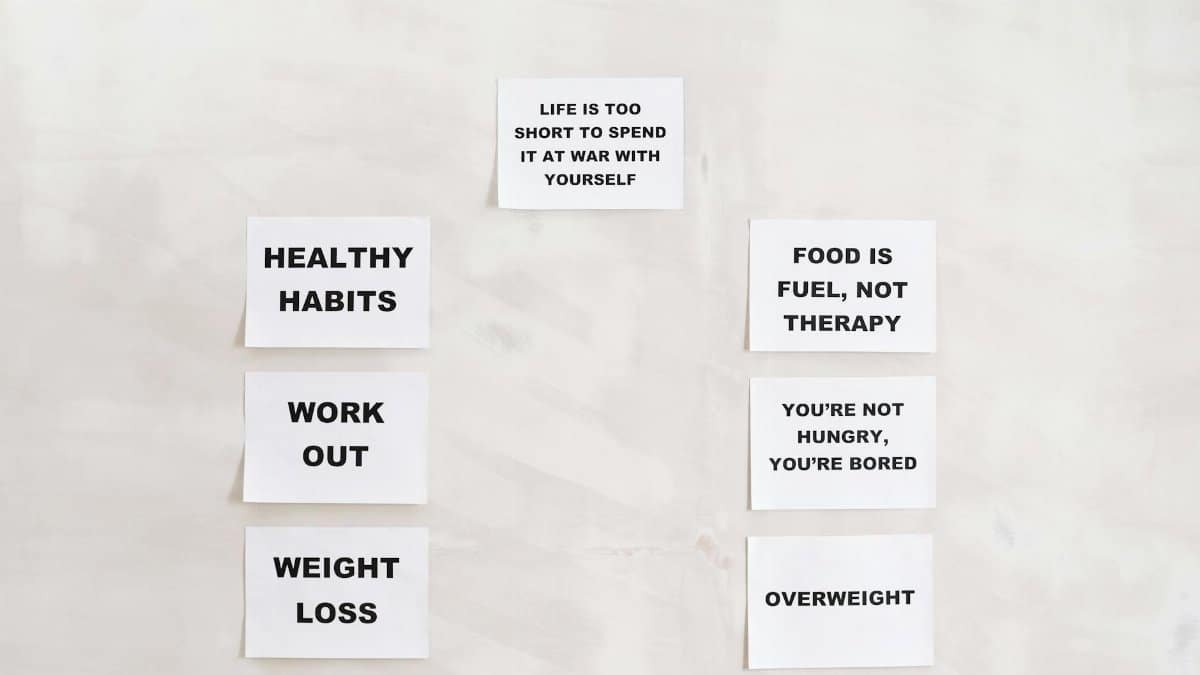
New data shows 68% of Americans report improved emotional balance after adopting restorative wellness habits, according to a recent survey by the American Psychological Association. This surge in interest highlights how these practices are emotional, fueling, restorative forces in daily life. As stress levels climb in 2025 amid economic pressures and digital overload, people are turning to simple, effective routines to rebuild resilience. From mindfulness exercises to nature immersion, these habits promise a path to stability without overwhelming changes. Experts say they’re not just trends—they’re essential tools for mental health in a fast-paced world.
1. Daily Mindfulness Meditation

Mindfulness meditation tops the list of restorative habits. It involves sitting quietly for 10 to 20 minutes, focusing on breath and present thoughts. Studies link it to reduced anxiety and better emotional regulation. A 2023 report from Harvard Medical School found participants who meditated daily showed a 25% drop in stress hormones. In 2025, apps like Headspace make it accessible, with guided sessions tailored for beginners. Users report feeling more centered, turning chaotic days into manageable ones. This habit fuels emotional balance by training the mind to observe without judgment, preventing burnout.
Integrating it is straightforward: Start with five minutes in the morning. Over time, it builds a buffer against life’s ups and downs. Therapists often recommend it as a first step for those dealing with emotional turbulence. One user shared, “It changed how I handle work stress—no more snapping at colleagues.” Backed by science, it’s a low-cost way to restore inner peace.
2. Journaling for Reflection

Journaling stands out as a powerful tool for emotional processing. Writing down thoughts and feelings helps unpack daily experiences, leading to clearer insights. Research from the University of Texas at Austin indicates that expressive writing can lower depression symptoms by 15% over a month. In today’s high-pressure environment, this habit acts as a release valve, fueling restorative energy.
Try prompts like “What drained me today?” or “What fueled my positivity?” Consistency matters—aim for evening sessions. It fosters self-awareness, turning vague emotions into actionable understanding. A study published in the Journal of Positive Psychology noted improved mood stability among regular journalers. For 2025 wellness goals, it’s an easy add-on that boosts emotional resilience without fancy tools.
3. Nature Walks and Grounding

Stepping outside for a nature walk recharges emotional batteries. This habit, known as forest bathing in Japan, involves mindful strolling in green spaces. A 2024 study by the National Institutes of Health linked it to lower cortisol levels and enhanced mood. With urban life dominating, these walks provide a restorative break, fueling balance amid chaos.
Even 20 minutes in a park counts. Focus on senses: the rustle of leaves, fresh air. It combats screen fatigue, a big issue in 2025’s remote work era. Participants in outdoor programs report feeling more grounded and less overwhelmed. As one expert from the National Institutes of Health explained, “Nature resets the nervous system.” Make it routine for sustained emotional lift.
4. Gratitude Practices

Gratitude exercises shift focus from lacks to abundances, fueling emotional positivity. Listing three things you’re thankful for daily rewires the brain toward optimism. Findings from UC Davis show this reduces resentment and increases life satisfaction by 10-20%. In a year like 2025, marked by global uncertainties, it’s a simple anchor for stability.
Keep a gratitude jar or app—note wins big and small. It counters negativity bias, a common emotional drain. Long-term practitioners experience deeper relationships and reduced envy. A report from the American Psychological Association highlights its role in resilience building. Incorporate it at bedtime for reflective closure, turning habits into emotional fuel.
5. Breathwork Techniques

Breathwork, like 4-7-8 breathing, calms the nervous system instantly. Inhale for four, hold for seven, exhale for eight—repeat as needed. Stanford University research ties it to decreased panic attacks and better sleep. This restorative method fuels emotional control during high-stress moments, essential in fast-paced 2025 lifestyles.
Practice during commutes or breaks. It activates the parasympathetic response, easing fight-or-flight modes. Users say it prevents emotional spirals, promoting clarity. Integrated into yoga or standalone, it’s versatile. A clinical trial noted 30% anxiety reduction after two weeks. For those seeking quick wins, breathwork delivers without equipment, making it a go-to for balance.
6. Social Connection Rituals

Building intentional social ties rounds out these habits. Regular check-ins with friends or family nurture emotional support networks. Pew Research Center data from 2024 reveals that strong connections cut loneliness by half, boosting overall well-being. In an increasingly isolated digital age, this fuels restorative bonds.
Schedule coffee chats or video calls weekly. Listen actively, share openly—it strengthens empathy and belonging. Experts warn against over-relying on social media; real interactions matter. One study in the Journal of Social and Personal Relationships found improved emotional health from consistent outreach. As 2025 brings more hybrid living, prioritize this for sustained balance and resilience.
These six habits form a blueprint for emotional strength. Rooted in evidence, they address modern stressors head-on, offering practical paths to wellness.