

A recent poll by the American Psychological Association found that nearly 80% of adults in the U.S. report stress levels high enough to interfere with daily life, up from previous years. Amid this surge, more people are turning to movement therapy methods as a natural antidote. These approaches blend physical activity with mindful awareness, often drawing from ancient practices adapted for modern needs. What stands out is how accessible they can be—no fancy equipment required, just a willingness to move. In 2025, with remote work still blurring boundaries between home and office, such methods offer a simple way to reclaim calm. Experts note that consistent practice can lower cortisol levels, easing the grip of anxiety. This isn’t just theory; it’s backed by growing research showing real benefits for mental health. As one therapist put it, these therapies turn the body into a tool for inner peace.
1. Yoga Flows for Grounding Tension
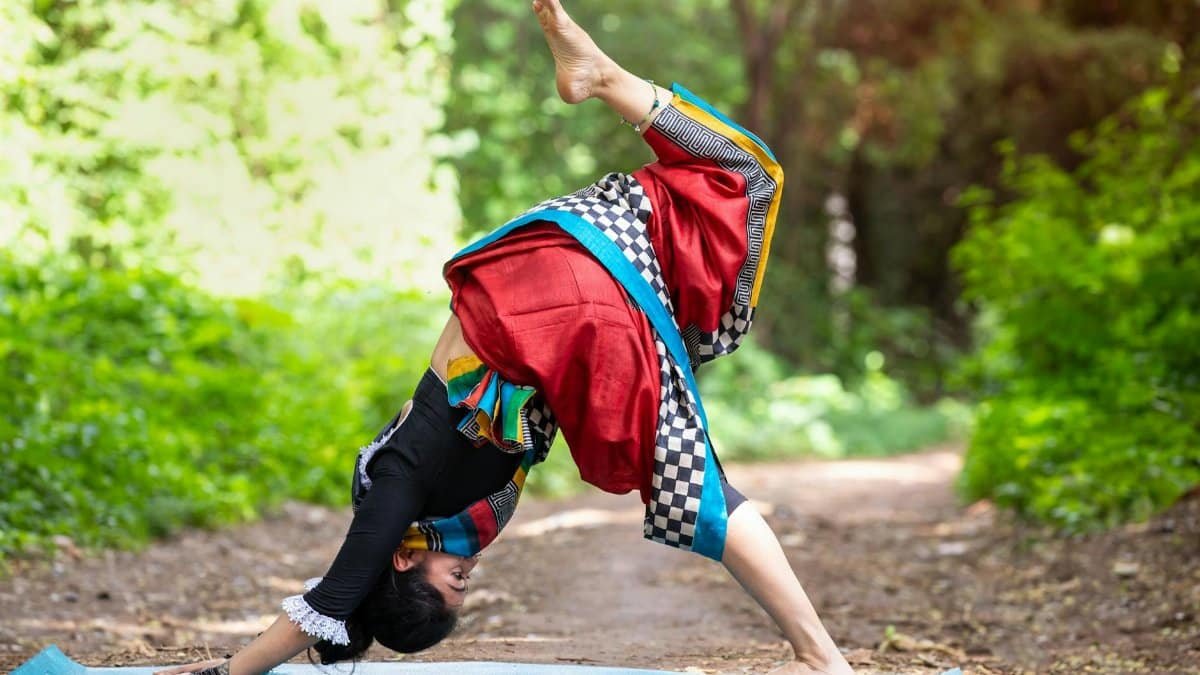
Start with yoga, a staple in movement therapy that emphasizes fluid poses and breath control. It’s not about contorting into impossible shapes but using gentle sequences to release built-up stress. Picture a busy parent in Chicago, pausing midday for a 20-minute sun salutation routine. They feel the tightness in their shoulders melt away as they sync inhales with upward reaches. Research from the National Institutes of Health supports this, linking yoga to reduced symptoms of anxiety and depression. In one study, participants who practiced twice a week reported feeling more centered after just a month.
Yet, yoga’s power lies in its adaptability. For beginners, chair-based variations make it doable even in an office setting. A friend once shared how incorporating child’s pose during stressful calls helped her regain focus. It’s these small integrations that build resilience over time. Dive deeper, and you’ll find styles like restorative yoga, where props support the body for longer holds, allowing the mind to wander less. The key is consistency; even short sessions accumulate benefits. As trends evolve in 2025, apps and virtual classes make yoga more inclusive, reaching those in rural areas too.
Still, challenges arise. Some worry about flexibility, but experts remind us it’s more about presence than perfection. One anonymized account from an online discussion described starting yoga amid burnout, feeling awkward at first but eventually finding it transformative for sleep quality. This echoes broader patterns where movement therapy methods strengthen stress relief by fostering self-compassion.
2. Tai Chi’s Gentle Waves Against Overwhelm

“Feel the energy flow like water,” a tai chi instructor might say, guiding a group through slow, deliberate motions in a New York park. This ancient Chinese practice stands out in movement therapy for its emphasis on balance and internal harmony. Each movement, from parting the wild horse’s mane to grasping the bird’s tail, encourages a meditative state that quiets racing thoughts. A report from the Mayo Clinic highlights how tai chi can decrease stress hormones, with participants experiencing lower blood pressure after regular sessions.
What’s compelling is its low-impact nature, ideal for older adults or those recovering from injury. Imagine a retiree in Florida incorporating tai chi into morning routines, noticing how it eases the mental fog from daily worries. Transitions between forms feel seamless, mirroring life’s need for adaptability. Studies, like one published in the Journal of the American Geriatrics Society, show improvements in mood and cognitive function, making it a go-to for holistic stress management.
Of course, mastering tai chi takes patience. Beginners often stumble on footwork, but that’s part of the therapy—learning to embrace imperfection. In 2025, community centers across the U.S. are expanding classes, blending tradition with modern science. One subtle tension: while it’s serene, pushing too hard can lead to frustration, so instructors stress going at your own pace. This method underscores how movement therapy methods can rebuild inner strength quietly yet profoundly.
3. Dance Therapy to Unlock Emotional Blocks

Dance therapy flips the script on traditional exercise, inviting freeform movement to process emotions. It’s less about choreography and more about letting the body express what’s unspoken. In sessions, people might sway to rhythmic beats, shaking off pent-up frustration from a tough week. The American Dance Therapy Association notes that this approach helps regulate the nervous system, with evidence from clinical trials showing reduced anxiety in diverse groups.
Consider a scenario in a Los Angeles studio where participants mirror each other’s gestures, building connection and releasing isolation. One woman recalled how twirling to upbeat music dissolved her work-related tension, leaving her lighter. It’s storytelling through motion, where hips and arms narrate personal narratives. A study linked from Harvard Medical School’s health publications affirms dance’s role in boosting endorphins, akin to a natural antidepressant.
Variety keeps it engaging— from ecstatic dance circles to structured ballroom elements. Yet, vulnerability can deter some; opening up physically feels exposing. Online forums often share stories of initial hesitation giving way to empowerment, like one account of using dance to navigate grief. As 2025 brings more hybrid therapy options, dance remains a vibrant path in methods, movement, therapy for stress relief, blending joy with healing.
4. Mindful Walking as Everyday Reset

Who knew something as simple as walking could be a powerhouse in movement therapy? This method transforms strolls into intentional practices, focusing on each step to anchor the mind. In bustling cities like Seattle, people weave it into commutes, noticing the crunch of leaves or the rhythm of their breath. The Centers for Disease Control and Prevention reports that regular walking lowers stress markers, with benefits amplified when done mindfully.
Build it gradually: Start with five minutes, observing surroundings without distraction. A teacher in Texas described leading group walks where silence allowed thoughts to settle, much like meditation on the move. It’s accessible, requiring no special gear, and adaptable to urban or natural settings. Research from a CDC Physical Activity Basics page underscores its impact on mental health, showing decreased rumination.
But distractions abound in our device-filled world. The trick is gentle redirection, turning walks into rituals. Tensions emerge when weather or time constraints interfere, yet even indoor pacing works. In 2025, apps tracking mindful miles are gaining traction, making this method a subtle yet effective tool for strengthening stress relief through movement therapy methods.
5. Pilates for Core Stability and Calm
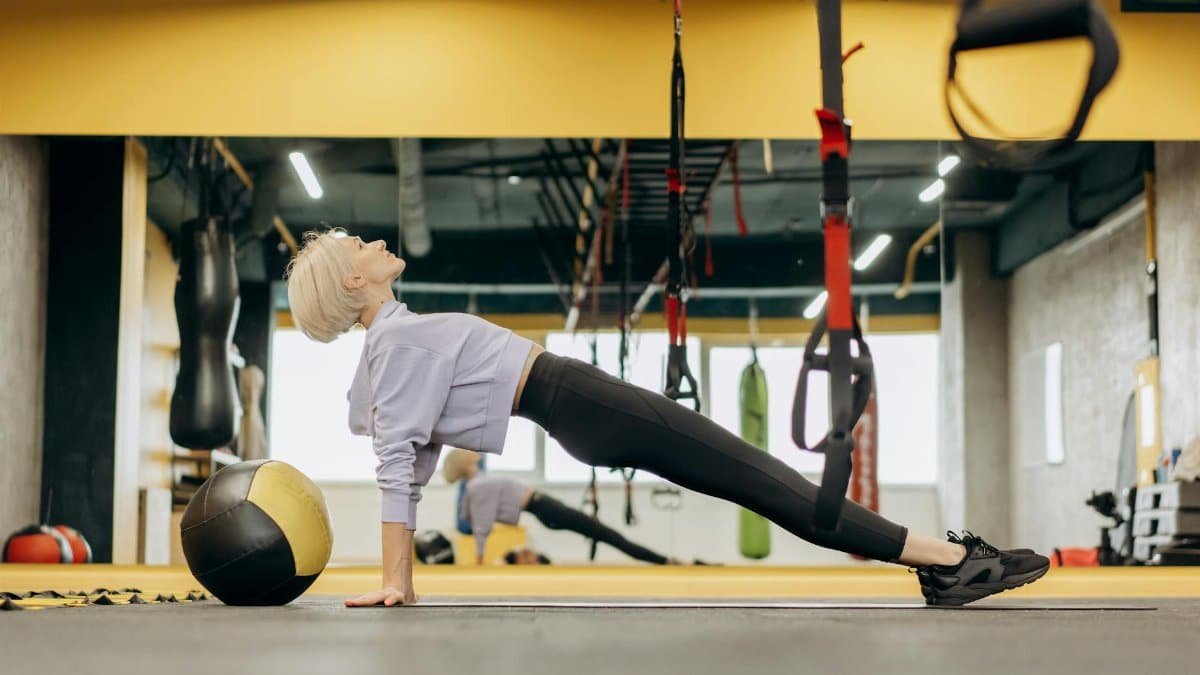
Pilates hones in on controlled movements that build physical and mental fortitude, a key player in movement therapy circles. Core-focused exercises, like the hundred or teaser, demand concentration that pushes stress to the periphery. In a Denver class, attendees might roll up slowly, feeling abdominal engagement mirror emotional centering. The Pilates Method Alliance cites studies where practitioners report enhanced well-being, with links to improved posture reducing tension headaches.
It’s precise, often using reformers or mats, but home versions thrive too. One illustrative snapshot: A remote worker pausing for leg circles, finding clarity amid deadlines. This precision fosters mindfulness, as each breath aligns with motion. A detailed review from the National Library of Medicine on Pilates and health confirms reductions in perceived stress levels.
Intensity can intimidate newcomers, yet modifications abound. Reflect on how Pilates evolved from rehabilitation roots, adapting to various needs. In current trends, virtual platforms expand access, though some miss in-person energy. Ultimately, it exemplifies how methods, movement, therapy can fortify against daily pressures with disciplined grace.
6. Qigong’s Energy Cultivation for Inner Peace

Qigong rounds out these methods with its focus on vital energy, or qi, through slow postures and visualizations. Standing like a tree or waving hands like clouds, practitioners cultivate calm amid chaos. In San Francisco wellness centers, groups practice outdoors, syncing with nature’s rhythm. The National Center for Complementary and Integrative Health documents qigong’s stress-relieving effects, including better sleep and mood regulation.
It’s subtle, often involving minimal movement, yet profound in impact. Envision a stressed executive trying baduanjin forms, feeling energy circulate and worries dissipate. Transitions feel organic, building from one posture to the next. A study accessible via the NCCIH Qigong Information page supports its role in anxiety reduction.
Accessibility is a strength, but cultural unfamiliarity can be a barrier. Online shares highlight transformations, like one describing qigong as a “quiet revolution” against burnout. As 2025 sees integrative health rise, qigong integrates seamlessly into movement therapy methods, offering a pathway to sustained stress relief through balanced energy flow. Another resource from Harvard Health on related practices like tai chi echoes these benefits, broadening the evidence base.
Wrapping these methods together, it’s clear movement therapy isn’t a quick fix but a toolkit for ongoing resilience. Each offers unique entry points, inviting experimentation to find what resonates.