
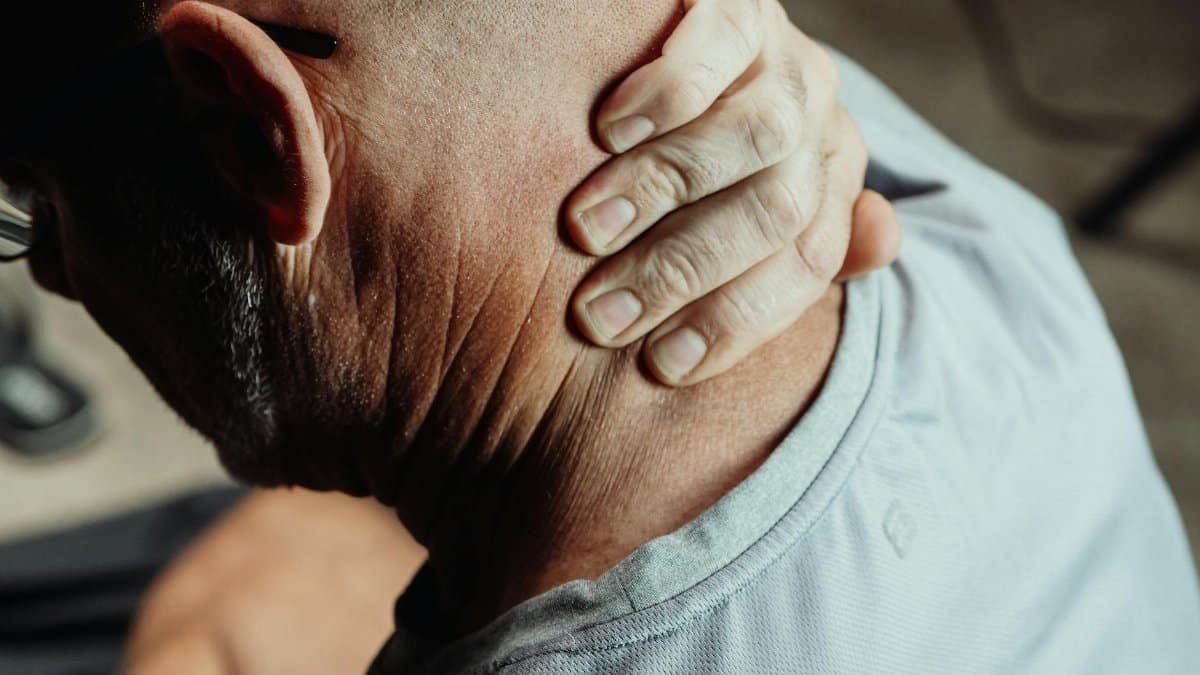
In a fast-paced world where burnout is rampant, new data shows 75% of Americans report high stress levels, according to a recent American Psychological Association survey. Enter stress, daily, transforming through simple rituals that promise real relief. These aren’t gimmicks—they’re backed by science and embraced by millions seeking calm amid chaos. As we head into 2025, experts say incorporating these habits could redefine how we handle everyday pressures, turning tension into tranquility one day at a time.
1. Morning Meditation Moments

Start your day with a quick meditation session. Just 10 minutes of focused breathing can lower cortisol levels, the hormone tied to stress. Studies from Harvard Medical School highlight how mindfulness practices rewire the brain for better emotional regulation. In 2025, apps like Headspace are making this accessible, with users reporting 30% less anxiety after consistent use. It’s simple: Sit quietly, inhale deeply, and let thoughts pass without judgment. This ritual sets a serene tone, transforming reactive stress into proactive peace.
2. Gratitude Journaling
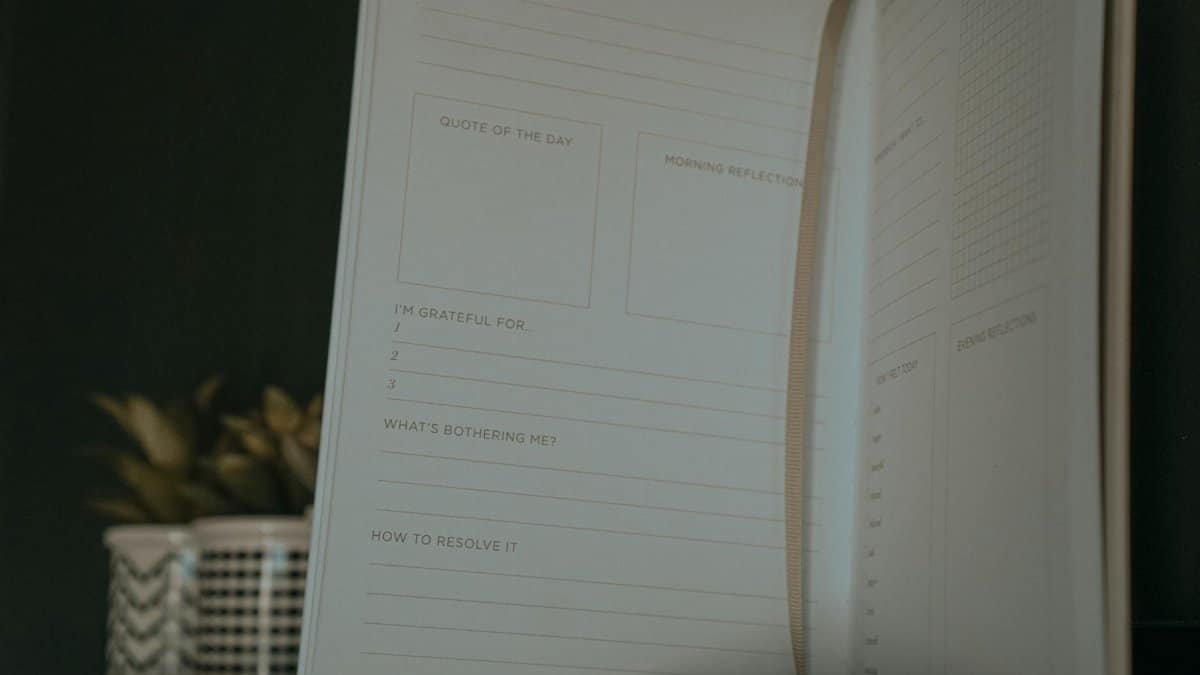
End each evening by jotting down three things you’re thankful for. This shifts focus from stressors to positives, boosting dopamine and serotonin. Research from the University of California, Berkeley’s Greater Good Science Center shows gratitude reduces depression symptoms by 25%. No fancy notebook needed—just a pen and paper. In today’s high-pressure jobs, this daily habit fosters resilience, making overwhelming days feel manageable. It’s a small act with big payoffs, reshaping how stress impacts your mindset.
3. Nature Walks

Step outside for a 20-minute walk in green spaces. Exposure to nature decreases rumination and improves mood, per findings from Stanford University. Their study linked forest bathing to lower blood pressure and enhanced well-being. With urban living on the rise in 2025, this ritual counters screen fatigue and city noise. Feel the ground underfoot, listen to birds, and breathe fresh air. It’s an effortless way to discharge built-up tension, turning daily stress into invigorating energy.
4. Herbal Tea Breaks
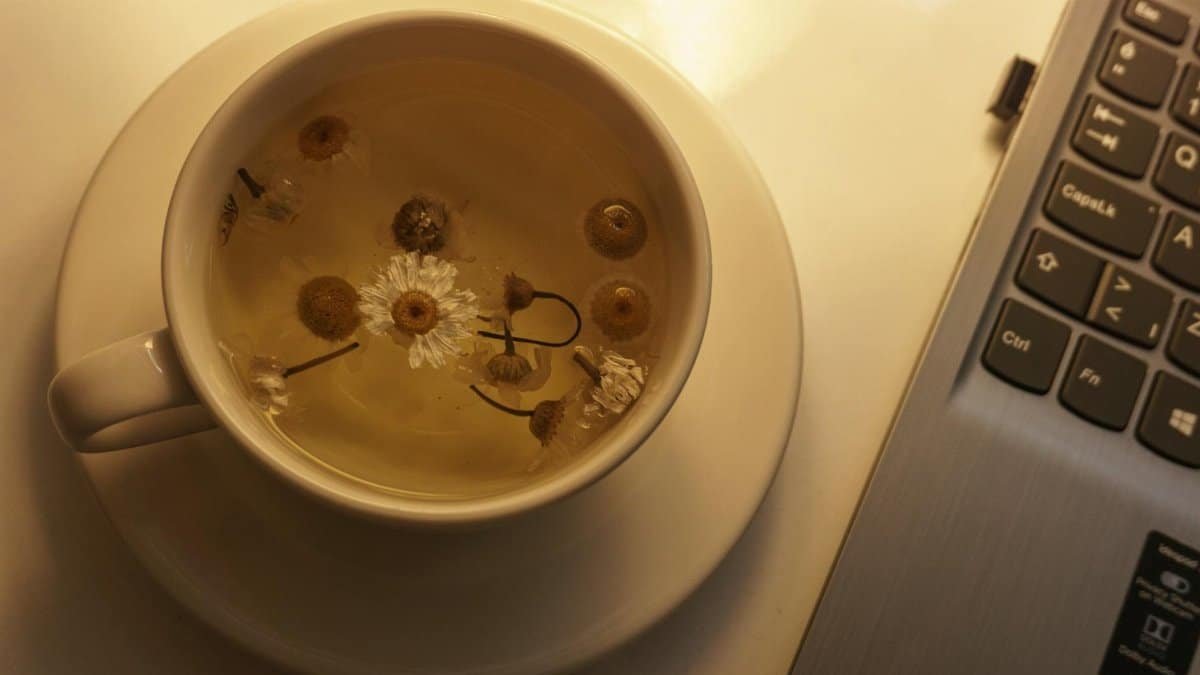
Incorporate calming teas like chamomile or lavender into your routine. These herbs contain compounds that promote relaxation without caffeine jitters. The National Institutes of Health notes chamomile’s mild sedative effects in easing anxiety. Sip during work breaks or before bed for a soothing pause. As remote work blurs boundaries in 2025, this ritual creates boundaries, signaling your body it’s time to unwind. It’s affordable, tasty, and effective at melting away the day’s pressures.
5. Deep Breathing Exercises

Practice the 4-7-8 technique: Inhale for four seconds, hold for seven, exhale for eight. Developed by Dr. Andrew Weil, this method activates the parasympathetic nervous system, curbing fight-or-flight responses. A study in the Journal of Clinical Psychology found it reduces stress in minutes. Ideal for high-stakes moments like meetings or commutes. In an era of constant notifications, this portable tool empowers you to regain control, transforming panic into poise.
6. Digital Detox Periods

Set aside time to unplug from devices. Constant connectivity amps up stress, with Pew Research Center data showing 81% of adults feel overwhelmed by information overload. Designate evenings phone-free for reading or hobbies. This break restores mental clarity and improves sleep quality. Heading into 2025, as social media evolves, this ritual safeguards your sanity, preventing burnout and fostering deeper connections offline. It’s a bold step toward reclaiming your time and tranquility.
7. Gentle Yoga Flows

Engage in 15-minute yoga sessions focusing on restorative poses. Yoga reduces inflammation and enhances GABA levels, key for calm, according to research from Boston University. Poses like child’s pose or legs-up-the-wall release physical tension stored from stress. With home workouts booming post-pandemic, this fits seamlessly into busy schedules. It not only eases the body but also quiets the mind, evolving daily stress management into a holistic practice.
8. Affirmation Recitals
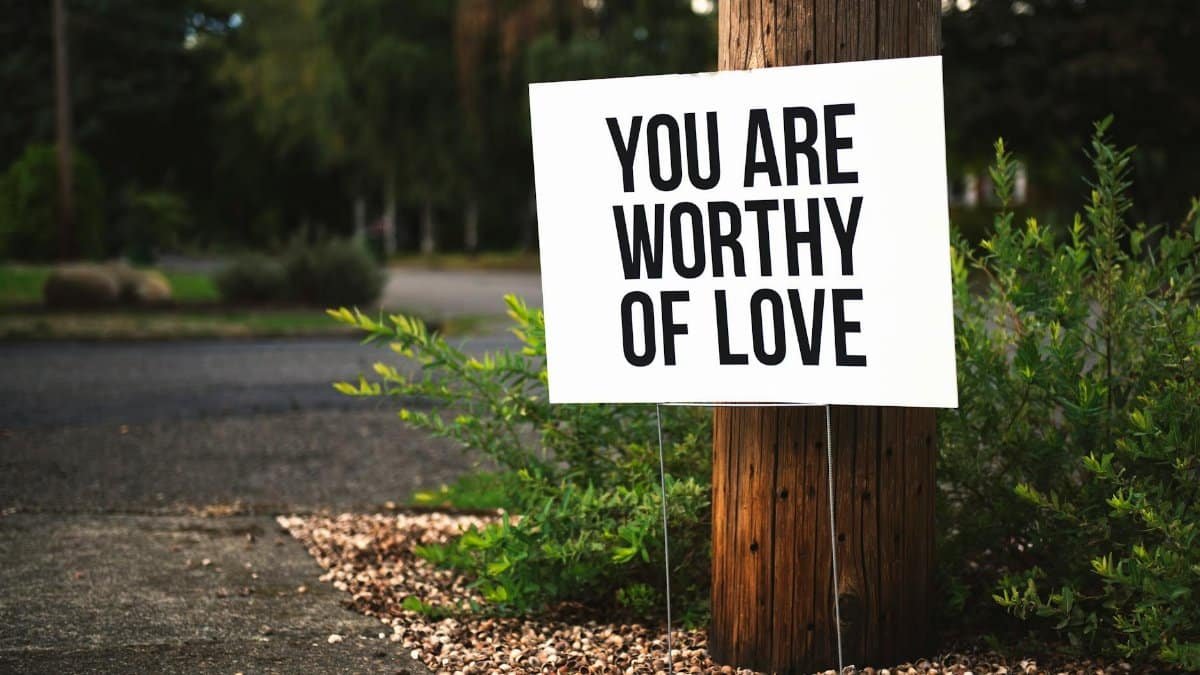
Repeat positive affirmations daily, such as “I am capable and calm.” Cognitive behavioral therapy principles back this, with evidence from the American Psychological Association indicating it rewires negative thought patterns. Say them in the mirror each morning for reinforcement. In 2025’s uncertain economic climate, this builds self-efficacy, turning self-doubt into strength. It’s quick, cost-free, and profoundly transformative, empowering you to navigate life’s chaos with confidence.
For more on stress management, check out the American Psychological Association’s stress resources and Stanford’s study on nature’s benefits.