

A recent survey by the American Psychological Association revealed that 76% of U.S. adults reported heightened stress levels in 2024, up from 67% just five years prior, prompting a surge in interest for tools that build emotional resilience. This shift underscores a broader trend: as daily life grows more demanding, from relentless work emails to social media overload, people are seeking ways to fortify their inner strength without overhauling their routines. Enter emotional resilience tools transforming daily habits—these practical strategies weave seamlessly into everyday moments, turning potential stressors into opportunities for growth. Whether it’s a quick breathing exercise during a commute or a reflective pause before bed, they promise to reduce anxiety and enhance well-being in subtle, sustainable ways. As we step into 2025, understanding these tools could redefine how middle-aged Americans navigate life’s ups and downs.
1. Mindfulness Meditation

At its core, mindfulness meditation invites a pause amid the chaos, training the brain to stay present. Imagine a busy parent, juggling remote work and family dinners, who starts with just five minutes of focused breathing each morning. Over time, this simple act reshapes reactive habits into thoughtful responses, curbing impulsive stress eating or snapping at loved ones. Research backs this up; a study from Harvard Medical School shows consistent practice reduces amygdala activity, the brain’s fear center, leading to calmer days. It’s not about emptying the mind but observing thoughts without judgment, making it accessible for skeptics. One anonymous online account shared how it turned their evening scroll into a moment of quiet reflection, easing insomnia. For more, check the Harvard Health Publishing overview on its benefits.
Yet, integrating it isn’t always smooth. Some find the stillness unnerving at first, stirring up buried worries. That’s where starting small helps, perhaps pairing it with a familiar habit like coffee time. The transformation lies in consistency, gradually building emotional buffers against daily irritants.
2. Gratitude Journaling
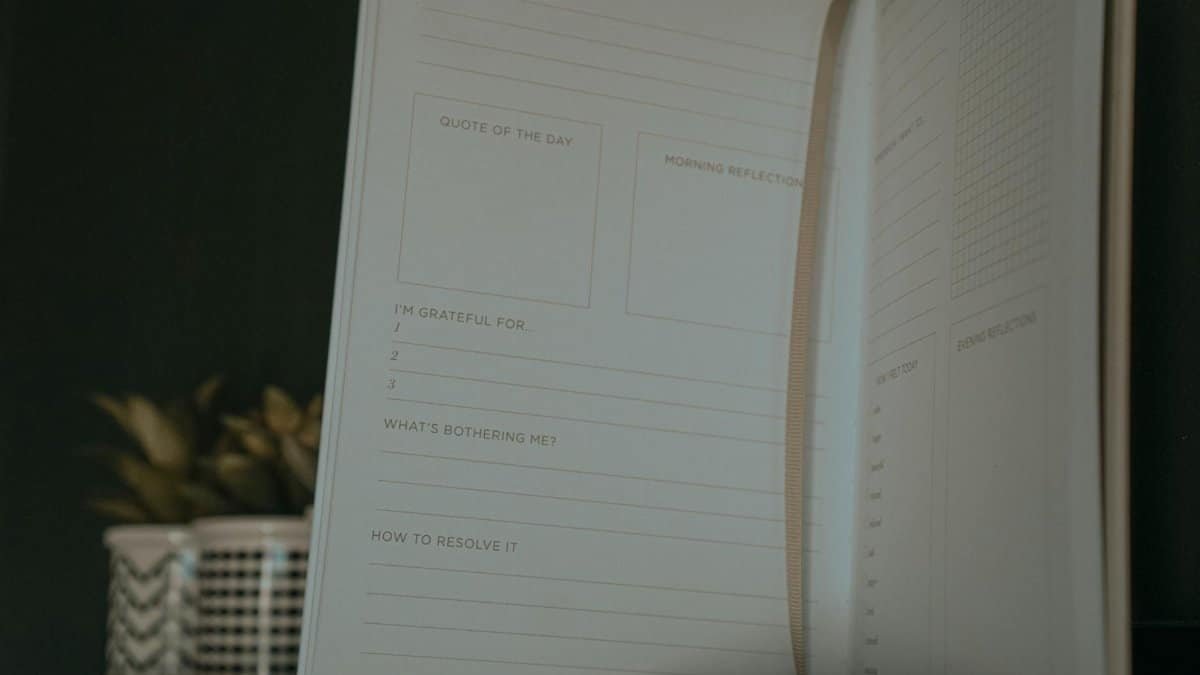
Picture jotting down three things you’re thankful for each night, a ritual that shifts focus from what’s lacking to what’s abundant. This tool counters the negativity bias wired into our brains, fostering habits of optimism that buffer against despair. A middle-aged accountant, overwhelmed by financial pressures, began this practice and noticed her mornings felt lighter, less burdened by yesterday’s regrets. It’s transformative because it rewires neural pathways, as evidenced by findings from the University of California, Berkeley’s Greater Good Science Center, where participants reported sustained mood improvements after weeks of journaling.
But don’t expect overnight miracles. The key is specificity—note why something matters, like a friend’s supportive call during a tough week. This depth turns rote listing into genuine emotional habits, daily anchors that sustain resilience amid life’s uncertainties. Explore the science via Greater Good Magazine’s article.
3. Deep Breathing Exercises

Start with a question: When tension builds during a heated meeting, what if a few deliberate breaths could reset your response? Deep breathing exercises, like the 4-7-8 technique, activate the parasympathetic nervous system, dialing down fight-or-flight instincts. For someone commuting in gridlocked traffic, this becomes a habit that transforms frustration into calm, preventing spillover into family time. Studies from the National Institutes of Health link such practices to lower cortisol levels, offering a quick emotional reset.
One person’s story illustrates it vividly: After a stressful diagnosis, they incorporated box breathing into walks, finding it steadied their racing thoughts. It’s practical, requiring no tools, yet profoundly alters daily emotional habits by creating space for choice over reaction. Delve deeper at the NIH’s page on relaxation techniques.
Challenges arise when forgetting to pause, but apps or reminders can help embed it seamlessly.
4. Physical Activity Routines

Exercise isn’t just for the body; it’s a powerhouse for emotional resilience, releasing endorphins that combat daily gloom. Consider a desk-bound professional who swaps lunch breaks for brisk walks, noticing sharper focus and reduced irritability by afternoon. This habit transforms sedentary patterns into active ones, building mental fortitude against burnout. A Pew Research Center analysis highlights how regular movement correlates with better stress management among adults over 40.
Yet, it’s the variety that keeps it engaging—yoga for flexibility, running for release. An anonymized tale from public discussions describes a retiree who, post-loss, used daily hikes to process grief, emerging more grounded. The link? Consistent activity fosters habits that sustain emotional equilibrium. See supporting data in Pew’s report on exercise trends.
5. Cognitive Reframing

Dive into reframing: That perceived failure at work? View it as a learning curve. This tool shifts negative thought patterns, turning self-doubt into growth-oriented habits. A teacher facing classroom chaos started reframing disruptions as chances to connect, easing her exhaustion. Backed by cognitive behavioral therapy principles, it empowers users to rewrite their inner narratives.
The process involves questioning assumptions, like asking, “Is this thought fact or fear?” Over months, it embeds resilient emotional habits, daily shields against pessimism. One shared experience online recounted reframing job loss as an opportunity, leading to a fulfilling career pivot. It’s subtle but profound.
6. Setting Personal Boundaries

Boundaries act as emotional guardrails, preventing overload from others’ demands. Envision saying no to an extra project, preserving energy for what matters. This transforms people-pleasing habits into self-care routines, crucial for middle-aged folks balancing careers and family. Research from the Mayo Clinic emphasizes how clear limits reduce resentment and burnout.
Implementation varies: Start with small assertions, like limiting after-hours emails. A narrative from everyday life shows a caregiver who set visit boundaries, reclaiming time for rest and emerging less depleted. It fosters habits that honor one’s emotional capacity, daily. Learn more at Mayo Clinic’s burnout prevention guide.
7. Positive Affirmations
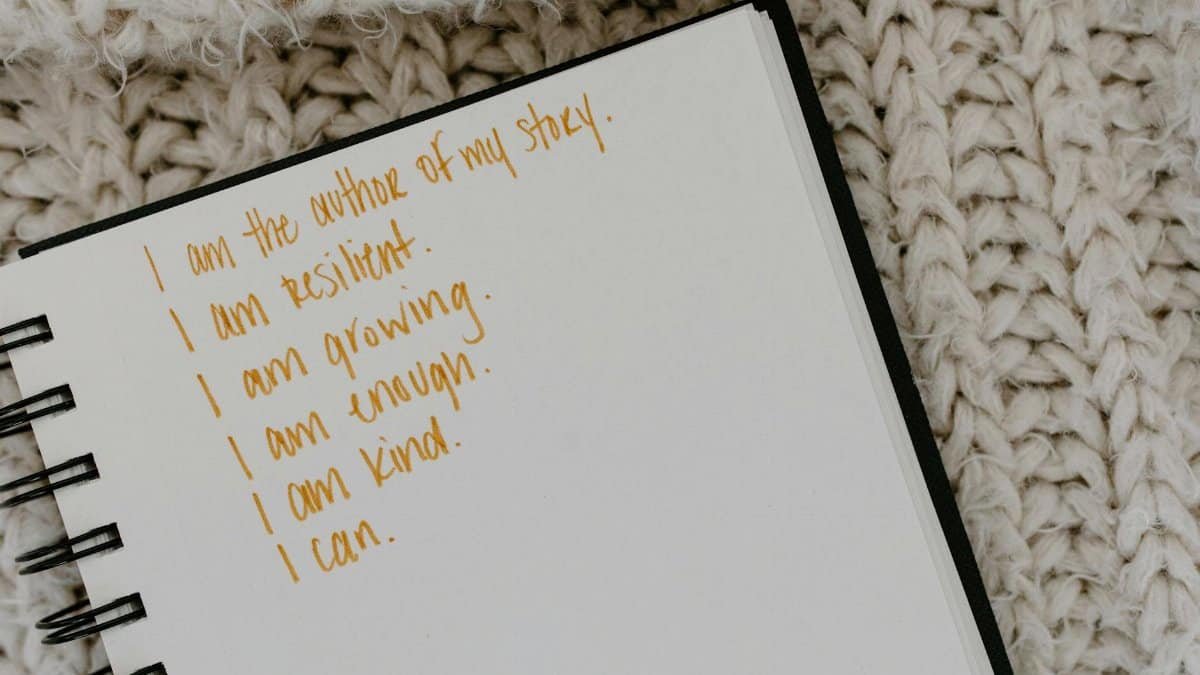
Affirmations, repeated with intent, counter self-criticism, building affirming daily habits. Think of starting the day with “I am capable,” which one entrepreneur used to navigate business setbacks, gradually boosting confidence. It’s rooted in neuroplasticity, reshaping brain patterns for resilience.
Skeptics might dismiss it as fluffy, but evidence suggests otherwise; tailored affirmations enhance well-being. An anonymous reflection described affirmations helping during a health scare, turning fear into fortitude. The habit sticks when personalized, weaving into routines like mirror talks.
8. Social Connection Practices

Nurturing ties isn’t optional; it’s a resilience booster, combating isolation’s toll. Regular check-ins with friends transform solitary habits into supportive ones, as seen in a remote worker who scheduled weekly calls, feeling more anchored amid uncertainty. Harvard’s long-term study on happiness underscores social bonds’ role in emotional health.
Yet, quality over quantity matters—deep conversations yield more than superficial chats. One story highlights a widow who joined a community group, finding solace that reshaped her grieving process. These connections create emotional safety nets, daily. Reference the Harvard study’s findings.
9. Sleep Hygiene Rituals

Prioritizing rest recalibrates emotional responses, turning erratic sleep into restorative habits. A night owl who dimmed lights early reported fewer mood swings, thanks to regulated circadian rhythms. The CDC notes poor sleep exacerbates stress, making hygiene essential for resilience.
Rituals like screen-free wind-downs build consistency. Imagine winding down with reading, easing into deeper rest. It’s transformative for those juggling midlife demands, fostering clearer, more resilient days.
10. Reflective Pauses

End with pauses: Brief moments to assess emotions, preventing buildup. A manager incorporated end-of-day reviews, spotting patterns and adjusting habits accordingly. This tool promotes self-awareness, key to sustained resilience.
It’s simple yet overlooked, like noting what drained or energized you. Over time, it evolves emotional habits, daily guides toward balance. As 2025 unfolds, these pauses could be the quiet force multiplier in a noisy world.