

New data shows that 40% of Americans report improved mental clarity after incorporating movement-based therapies into their routines, according to a recent survey by the American Psychological Association. As stress levels soar in 2025, therapy, mental, methods like these are gaining traction for their dual benefits on body and mind. From yoga to dance, these approaches aren’t just workouts—they’re tools for emotional grounding. Experts say they’re transforming how we tackle anxiety and focus issues, offering accessible alternatives to traditional talk therapy.
1. Yoga for Mindful Breathing
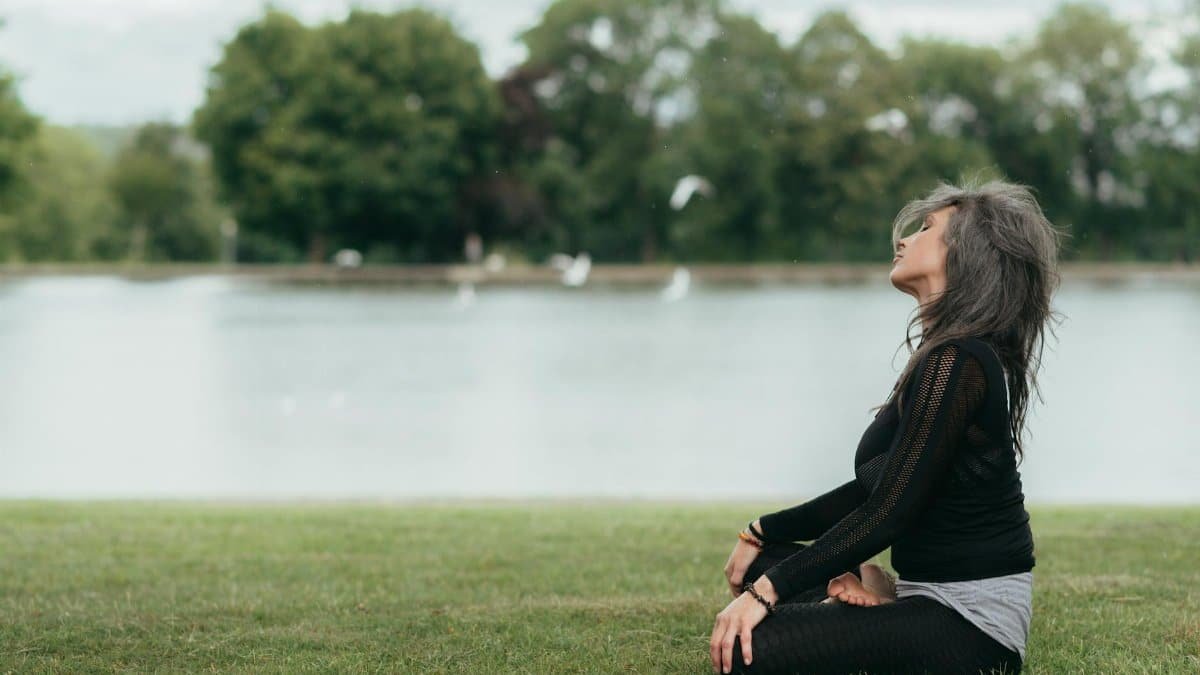
Yoga stands out among therapy, mental, methods by combining physical postures with breath control. Practitioners often experience reduced anxiety and sharper focus after just a few sessions. In the U.S., yoga studios have multiplied, with over 36 million participants nationwide. It’s not just stretching; it’s a practice that syncs movement with meditation, helping clear mental fog. A study from Harvard Medical School highlights how yoga lowers cortisol levels, the stress hormone. For beginners, start with simple poses like child’s pose to build clarity.
2. Tai Chi for Gentle Flow
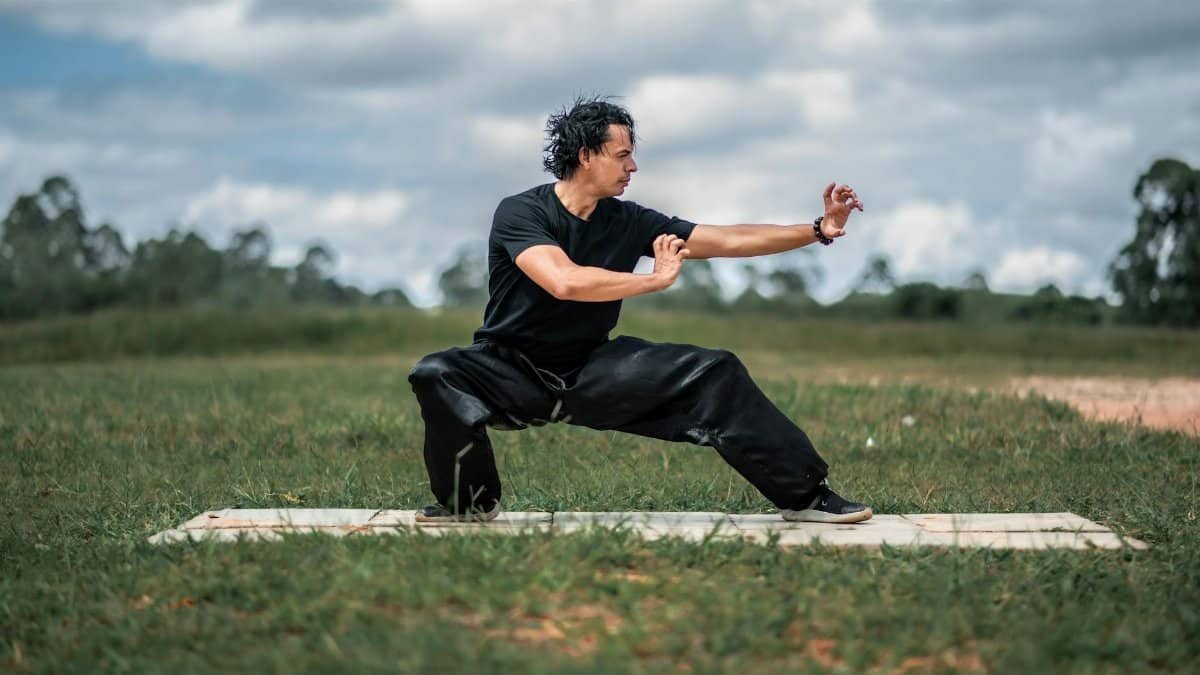
Tai Chi, an ancient Chinese martial art, emphasizes slow, deliberate movements that promote balance and calm. This method enhances mental clarity by fostering a state of flow, where worries fade. In 2025, community centers across the U.S. are offering free classes, making it accessible for all ages. Research from the National Institutes of Health shows Tai Chi improves cognitive function in older adults. It’s low-impact, ideal for those seeking therapy, mental, methods without high intensity.
3. Dance Therapy for Expressive Release

Dance therapy lets emotions out through rhythmic movement, boosting mental clarity by processing feelings non-verbally. Therapists guide sessions to help participants connect body and mind. Popular in urban areas like New York, it’s used in mental health programs. A report from the American Dance Therapy Association notes its effectiveness in treating depression. No dance skills needed—just move to the beat and watch clarity emerge.
4. Walking Meditation for Everyday Integration

Walking meditation turns a simple stroll into a mindfulness exercise, sharpening focus amid daily chaos. This therapy, mental, methods variant is free and flexible, perfect for busy Americans. Studies link regular walking to better mood and cognition, with the CDC recommending it for mental health. In 2025, apps are making guided versions popular. Focus on each step to ground thoughts and enhance clarity.
5. Pilates for Core Strength and Focus
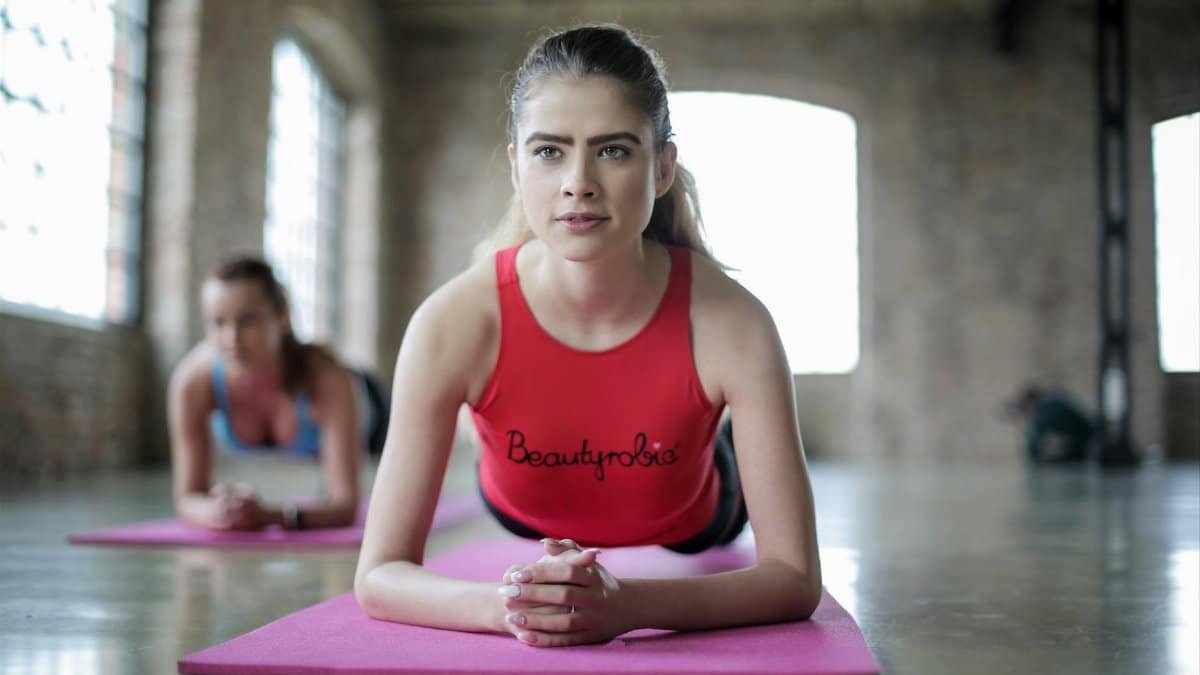
Pilates builds physical core strength while demanding mental concentration, leading to clearer thinking. It’s surged in popularity, with classes in gyms nationwide. A study published in the Journal of Bodywork and Movement Therapies found it reduces anxiety. Emphasizing controlled movements, it’s a solid choice for those exploring therapy, mental, methods that blend fitness with mental benefits.
6. Qigong for Energy Alignment

Qigong involves gentle movements and breathwork to align energy, promoting mental clarity through relaxation. Rooted in traditional Chinese medicine, it’s gaining fans in the U.S. for stress relief. The National Center for Complementary and Integrative Health reports benefits for mood disorders. Practice in parks or at home—it’s subtle yet powerful.
7. Feldenkrais Method for Awareness

The Feldenkrais Method uses subtle movements to heighten body awareness, indirectly boosting mental clarity. It’s therapeutic for those with chronic pain or stress. U.S. practitioners offer workshops, and research from the University of California supports its cognitive perks. It’s about relearning efficient movement to free the mind.
8. Barre Workouts for Disciplined Mindset

Barre combines ballet-inspired moves with strength training, requiring focus that sharpens mental acuity. Studios are booming in cities like Los Angeles. A study in the International Journal of Sports Medicine shows improved executive function from such routines. It’s a fun, structured way to incorporate therapy, mental, methods into your week.
9. Hiking for Nature-Infused Clarity

Hiking immerses you in nature while moving, clearing mental clutter through physical exertion and scenery. National parks see record visitors in 2025, per the National Park Service. Evidence from Stanford University indicates nature walks enhance creativity and reduce rumination. Lace up and hit the trails for profound mental refreshment.
For more on yoga’s benefits, check out Harvard Health Publishing. Tai Chi research is detailed at National Center for Complementary and Integrative Health.