
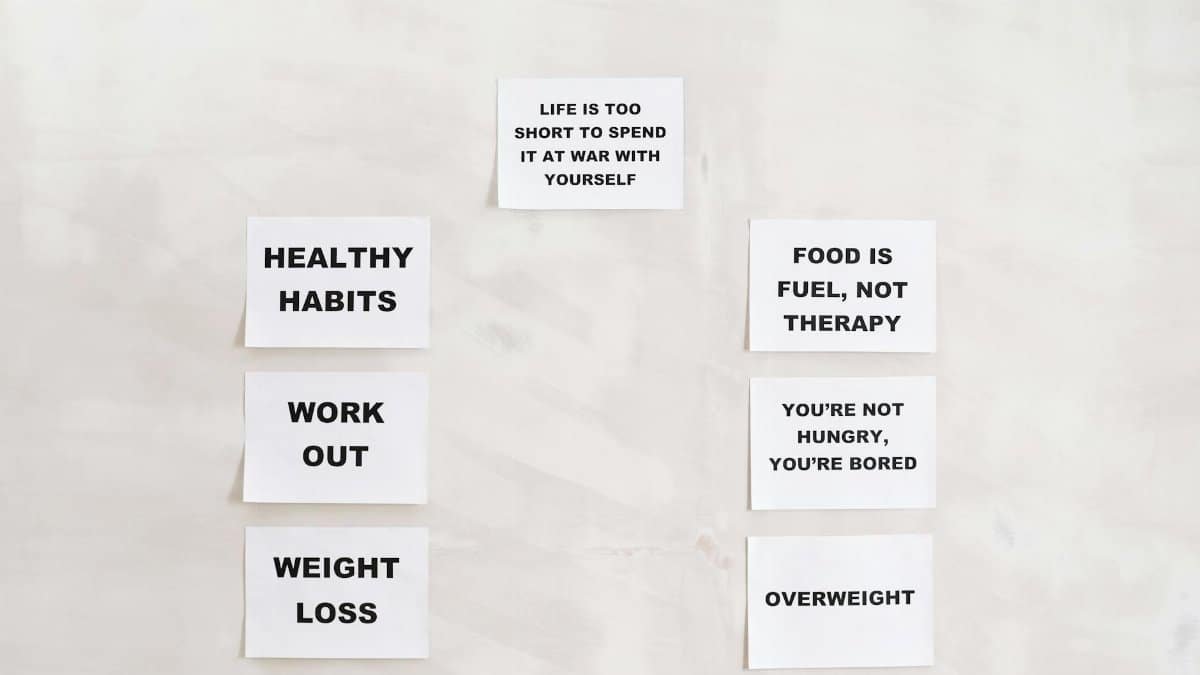
In a fast-paced world, new data shows 65% of Americans are turning to community-based practices for better mental health, according to a recent Pew Research survey. This surge highlights how community, emotional, habits are reshaping daily routines. From group walks in local parks to online support forums, these habits foster connections that steady emotions amid stress. Experts say it’s no coincidence: building ties with others can reduce anxiety by up to 30%, per studies from the American Psychological Association. As 2025 unfolds, more folks are ditching solo coping for collective wellness, proving that shared experiences pack a powerful punch for emotional balance.
1. Joining Local Support Groups

Support groups are popping up everywhere, from church basements to community centers. These gatherings let people share struggles openly, creating bonds that ease isolation. Take the case of Mike Thompson, a New York dad who joined a men’s mental health circle after a tough divorce. He credits the weekly meetings for helping him process grief without bottling it up. Research backs this up: a study from the American Psychological Association shows participants report lower depression levels after consistent involvement. In 2025, cities like Los Angeles and Chicago are expanding these free programs, making them accessible for anyone seeking emotional grounding through shared stories.
The key is consistency. Attending regularly builds trust, turning strangers into confidants. Unlike therapy, these groups emphasize peer empathy, which can feel less clinical and more relatable. Critics argue they lack professional oversight, but proponents say the community aspect fills gaps in traditional care. For emotional balance, starting small with one meeting a month can spark big changes, fostering habits that prioritize collective healing over solo suffering.
2. Participating in Volunteer Activities
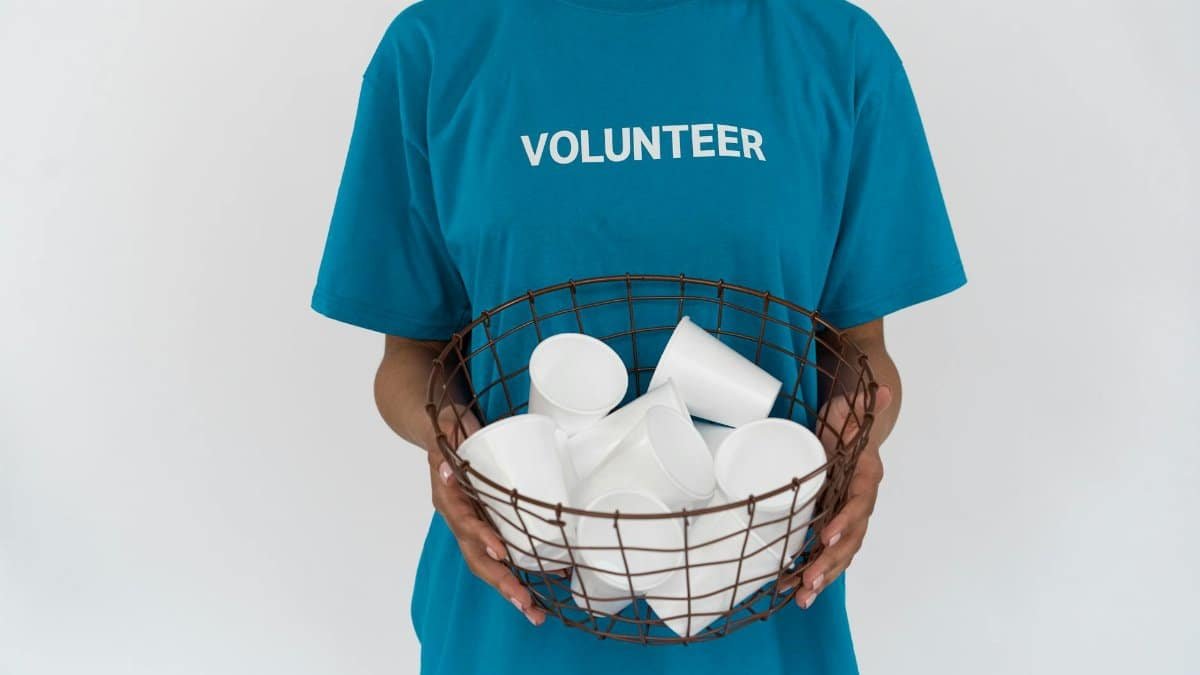
Volunteering isn’t just about giving back; it’s a proven mood booster. Habitats for Humanity builds homes, but it also constructs emotional resilience. Sarah Lee, a volunteer in Atlanta, says pitching in at food banks shifted her focus from personal woes to communal good, lifting her spirits. A report from the National Institutes of Health links volunteering to reduced stress hormones, with participants feeling more connected and purposeful.
In U.S. trends for 2025, apps like VolunteerMatch are booming, matching users to causes that align with their values. This habit encourages stepping outside comfort zones, where helping others mirrors self-care. Emotional habits thrive here, as acts of kindness release endorphins, combating loneliness. Experts recommend starting with short commitments, like a weekend cleanup, to build momentum without overwhelm. The payoff? Stronger community ties that anchor emotions during turbulent times.
3. Engaging in Group Exercise Classes

Group fitness isn’t solo sweat sessions; it’s social synergy. Yoga classes or running clubs turn exercise into emotional therapy. Picture runners in Central Park swapping life tips mid-jog. Data from the CDC indicates group activities cut anxiety by promoting accountability and fun. One participant, Emily Chen from Seattle, found her spin class became a lifeline during postpartum blues, thanks to the camaraderie.
This habit leverages endorphins and empathy. In 2025, virtual platforms like Peloton are adding community features, blending physical and emotional wellness. Trainers note how shared goals foster belonging, essential for balance. Avoid overcommitting; pick classes that fit your schedule to sustain the routine. The result is a habit that strengthens body and mind through collective effort, proving sweat shared is stress halved.
4. Attending Community Workshops

Workshops on mindfulness or art therapy draw crowds eager for emotional tools. These sessions teach coping skills in a group setting, amplifying learning through discussion. John Ramirez, a Chicago teacher, attended a stress management workshop and learned breathing techniques that calmed his work anxiety. Harvard studies show such programs enhance emotional intelligence, with lasting effects on daily habits.
U.S. communities in 2025 are hosting more free events via libraries and rec centers, making them widely available. This approach builds emotional habits by normalizing vulnerability in safe spaces. Focus on interactive elements, like role-playing scenarios, to deepen impact. Skeptics question the depth, but attendees report real shifts in perspective. Ultimately, these workshops turn abstract concepts into practical community, emotional, habits for steadier feelings.
5. Building Online Support Networks

Digital communities bridge gaps when in-person isn’t feasible. Forums on Reddit or apps like Nextdoor connect users facing similar emotional hurdles. Lisa Patel from Miami joined an online grief group after losing a parent, finding solace in virtual chats. Pew Research data reveals 40% of adults use online networks for mental health support, with positive outcomes in emotional regulation.
In 2025, AI-moderated groups are rising, ensuring safe spaces. This habit encourages daily check-ins, fostering accountability without leaving home. Balance screen time to avoid fatigue, but the accessibility makes it ideal for busy lives. Emotional balance improves as users share wins and setbacks, creating a web of support that feels both global and intimate.
6. Organizing Neighborhood Gatherings

Simple potlucks or block parties revive old-school community vibes. These events combat modern isolation by encouraging face-to-face talks. Tom Harris in Denver started monthly barbecues, which helped neighbors open up about daily stresses. Sociological research from the University of Michigan links such interactions to lower cortisol levels, promoting calm.
For 2025 trends, urban areas are pushing community grants for these initiatives. This habit starts small: invite a few folks, share stories, and watch bonds form. It instills emotional habits through routine social nourishment. Challenges include logistics, but the rewards, like reduced feelings of alienation, make it worthwhile. In essence, these gatherings remind us that emotional balance often hides in the heart of our neighborhoods.