
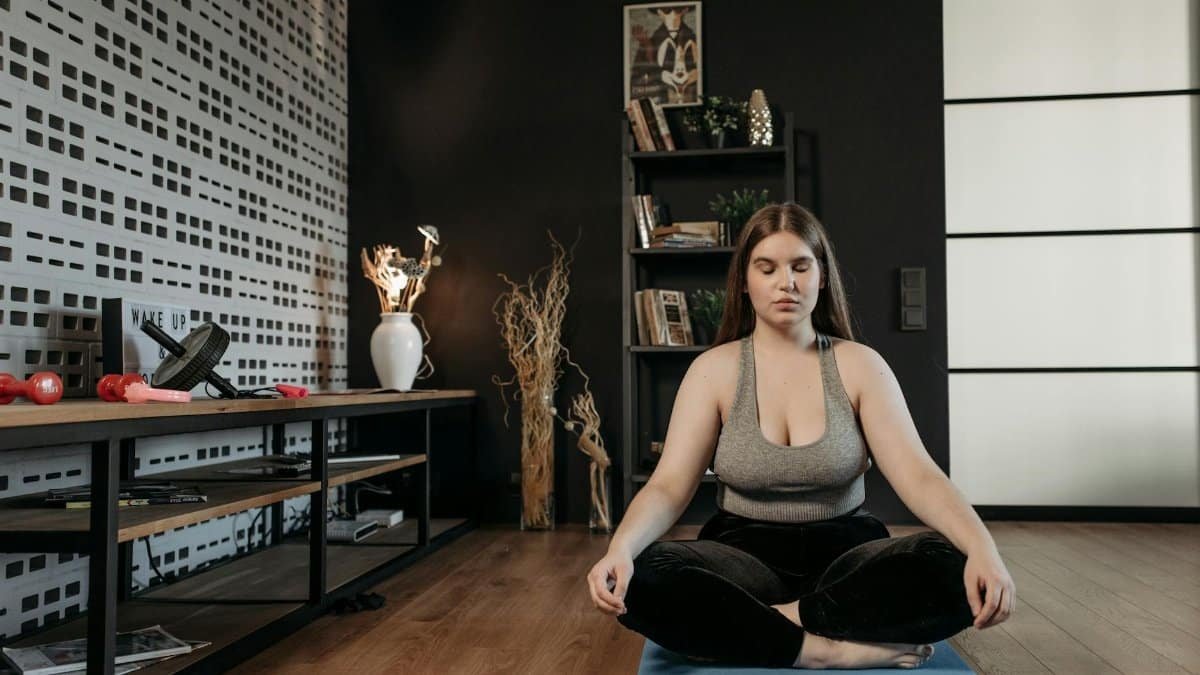
A recent study from the American Psychological Association revealed that nearly 40% of U.S. adults now incorporate some form of mindfulness practice into their daily lives, up from just 8% a decade ago. This surge reflects a growing recognition of how these techniques can steady the emotional turbulence of modern existence. Amid rising stress levels from work demands and digital overload, people are turning to simple routines that foster inner calm. At the heart of this shift is the interplay of driving, balance, mindfulness—where intentional awareness propels a sense of equilibrium. It’s not about escaping life’s chaos but navigating it with greater poise. As researchers note, these practices don’t just soothe the mind; they rewire responses to everyday challenges. In 2025, with mental health conversations more mainstream than ever, such routines offer accessible tools for emotional stability. This article outlines six practical mindfulness routines that can drive that balance, drawing from expert insights and real-world applications.
1. Morning Breath Awareness

Start the day with focused breathing, a foundational mindfulness routine that sets a tone of calm before the rush begins. Instead of jumping straight into emails or chores, sit quietly for five minutes, inhaling deeply through the nose and exhaling slowly. This isn’t about forcing relaxation but noticing the breath’s natural rhythm. Studies from the National Institutes of Health show that regular breathwork can lower cortisol levels, the hormone tied to stress. One anonymized account from an online forum described it vividly: a busy parent felt overwhelmed until this practice turned mornings from frantic to grounded, like flipping a switch on inner noise.
The beauty lies in its simplicity. No special equipment needed, just a quiet spot. Over time, this routine builds resilience, helping emotions stay even-keeled during unexpected setbacks. Imagine a commuter stuck in traffic; recalling that morning breath can shift irritation to patience. Experts at Harvard Medical School emphasize how such habits strengthen neural pathways for emotional regulation. Integrate it gradually, perhaps pairing it with coffee, to make it stick. As 2025 brings more emphasis on preventive mental health, this routine stands out for its immediate impact on daily balance.
Yet, it’s not without challenges. Some find their minds wandering to to-do lists. That’s normal, part of the process. Gently redirect focus without judgment. This acceptance itself drives deeper mindfulness, fostering a balanced emotional state that carries through the day.
2. Body Scan Meditation

“Tension hides in the shoulders,” a yoga instructor once observed during a session in a bustling New York studio, highlighting how physical awareness uncovers emotional undercurrents. Body scan meditation invites practitioners to mentally sweep through the body, noting sensations without trying to change them. Lie down or sit comfortably, starting from the toes and moving upward, spending a moment on each area. Research linked from the National Center for Biotechnology Information indicates this method reduces anxiety by promoting present-moment focus.
Picture a middle-aged professional, harried by deadlines, who adopted this routine during lunch breaks. It transformed her afternoons, easing the knot of worry that built up. Rather than a rigid script, vary the pace—sometimes quick for energy boosts, other times slow for unwinding. This flexibility makes it adaptable to life’s ebb and flow. In weaving physical check-ins with emotional awareness, the practice drives balance by revealing how stress manifests bodily.
Critics might say it’s too passive, but that’s its strength: observation leads to insight. Over weeks, users report feeling more attuned, less reactive to emotional triggers. With mindfulness apps surging in popularity this year, incorporating guided scans adds variety, keeping the routine fresh and engaging.
3. Gratitude Journaling
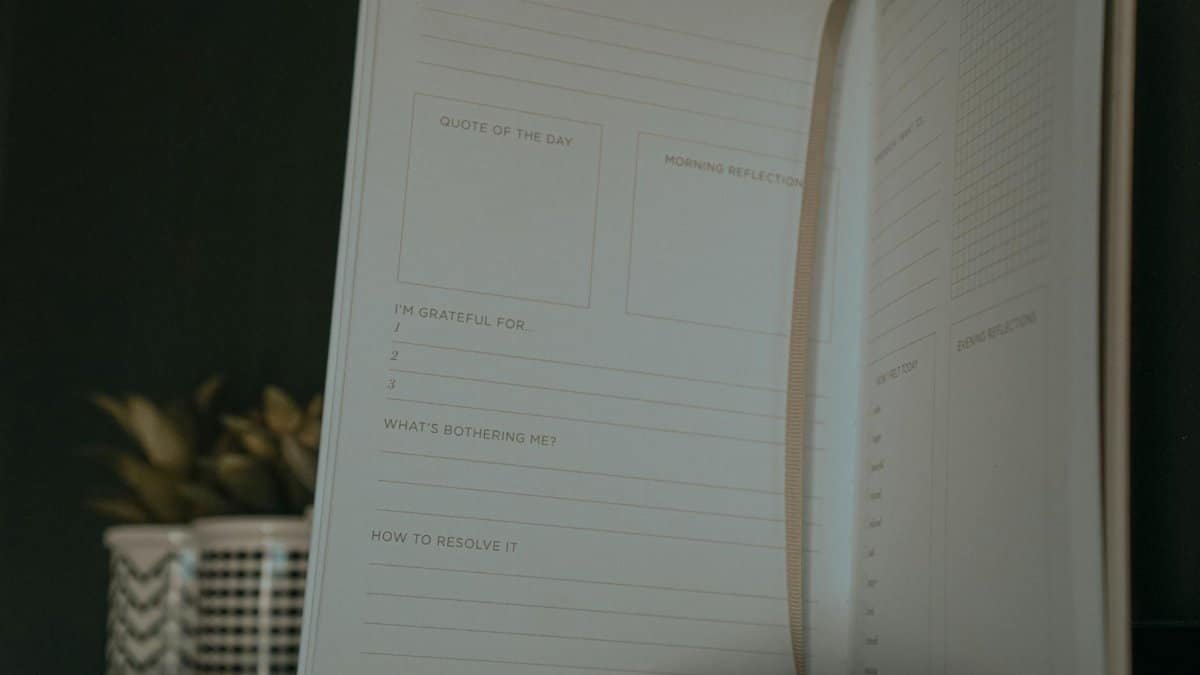
What small wins marked your week? Gratitude journaling flips the script on negativity bias, encouraging notes on positive aspects, no matter how minor. Each evening, jot down three things that sparked appreciation—a kind word, a good meal, sunlight through a window. This routine, backed by findings from the Greater Good Science Center at UC Berkeley, enhances emotional well-being by shifting focus from lacks to abundances.
In a Midwestern town, a group of friends started sharing entries via text, turning it into a communal ritual that strengthened bonds. One participant recalled how it pulled her from a rut after a job loss, rebuilding confidence step by step. Vary entries with prompts, like sensory details or unexpected joys, to avoid repetition. This approach not only drives mindfulness but anchors balance amid uncertainty.
Still, skepticism arises; some view it as forced positivity. Address that by allowing space for mixed feelings—gratitude coexists with struggles. In 2025’s climate of rapid change, this routine offers a steadying force, reminding us that emotional equilibrium comes from within, cultivated through consistent reflection.
4. Mindful Walking

Step outside and let the world unfold at a slower pace. Mindful walking transforms a routine stroll into an exercise in presence, noticing sights, sounds, and sensations with fresh eyes. Leave the headphones behind; feel the ground underfoot, the breeze on skin. A report from the American Psychological Association highlights how this practice improves mood and reduces rumination, key for emotional balance.
Consider the story of a retiree in Seattle who began walking mindfully after a health scare. It wasn’t about distance but depth—observing rain pattering on leaves, which eased his lingering anxiety. Mix it up by choosing different routes or focusing on breath with each step. This routine drives balance by grounding abstract worries in the tangible now.
Challenges include distractions from urban noise, yet that’s the point: acknowledge them and return to awareness. Over time, it builds a portable skill, applicable even in crowded spaces. As Americans grapple with isolation in digital eras, this simple act reconnects us to surroundings and selves.
5. Loving-Kindness Meditation

Extend compassion outward, starting with yourself. Loving-kindness meditation involves silently repeating phrases like “May I be happy, may I be healthy,” then directing them to others, even difficult people. This fosters empathy and reduces self-criticism, as evidenced by studies from the National Library of Medicine. It’s a powerful driver of emotional balance, softening harsh inner dialogues.
One anonymous online share captured its impact: after months of practice, a user felt resentment toward a colleague dissolve, replaced by understanding. Begin with short sessions, perhaps before bed, to unwind the day’s tensions. Vary by visualizing recipients, making it personal and vivid.
Not everyone warms to it immediately; it can stir vulnerability. That’s okay—persistence reveals its depth. In weaving kindness into mindfulness, this routine balances emotions by expanding the heart’s capacity, crucial in divisive times like 2025.
6. Evening Reflection Ritual

Wind down by reviewing the day without judgment. An evening reflection ritual might involve noting highs, lows, and lessons in a quiet space, perhaps with dim lighting and herbal tea. This caps the day mindfully, preventing carryover stress. Insights from Pew Research on well-being trends underscore how reflective practices enhance sleep and emotional resilience.
Think of a teacher in Chicago who used this to process classroom chaos, turning potential burnout into growth opportunities. She described it as “clearing the mental desk,” leaving space for rest. Adapt by incorporating questions like “What energized me?” to tailor it. This drives balance by processing emotions constructively.
Potential pitfalls include over-analysis; counter with brevity, aiming for 10 minutes. As mindfulness integrates into mainstream health advice this year, such rituals offer a gentle close, ensuring tomorrow starts anew. Ultimately, these routines collectively propel a life of greater equilibrium, where driving, balance, mindfulness become intertwined allies.