

In a surprising twist, new data from the American Psychological Association reveals that 70% of U.S. adults now incorporate community-based wellness habits into their routines, crediting them for boosting energy and resilience. This surge in community, daily, fueling practices is reshaping how Americans tackle everyday stress, from group yoga sessions to neighborhood walking clubs. As wellness seekers hunt for sustainable ways to power through their days, these shared habits are proving essential for maintaining balance amid hectic lifestyles. Experts say it’s not just about individual effort—it’s the collective vibe that’s making the difference in 2025.
1. Group Exercise Sessions

Community gyms and parks are buzzing with group workouts that energize participants daily. These sessions, like outdoor boot camps or spin classes, foster accountability and motivation. A study from the Centers for Disease Control and Prevention highlights how regular group activity reduces stress by 25% and improves mood. In cities like New York, locals swear by morning runs in Central Park, turning solo efforts into social power-ups. This habit fuels physical health while building lasting bonds.
2. Shared Meal Preps
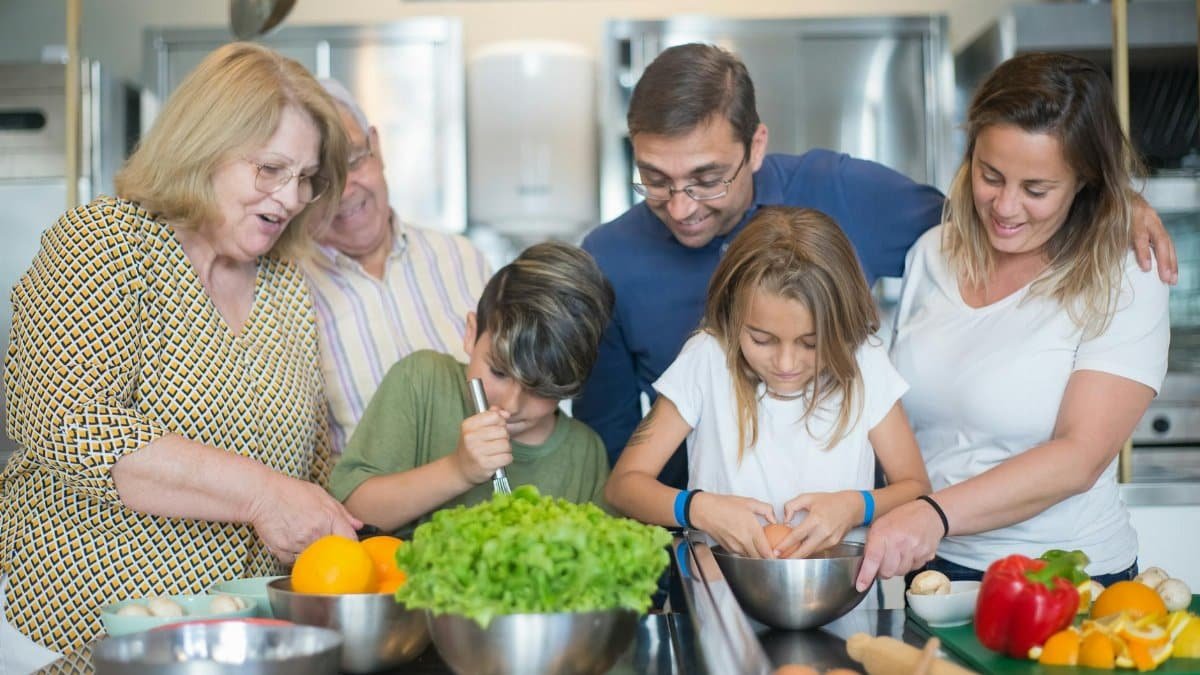
Neighborhood cooking groups are transforming meal times into communal events. Participants swap recipes and prep healthy dishes together, ensuring nutritious fuel for the week. Research from Harvard’s T.H. Chan School of Public Health shows communal eating boosts mental well-being and dietary adherence. In suburbs across the Midwest, families report feeling more connected and less overwhelmed by daily chores. It’s a simple way to infuse routines with flavor and fellowship, keeping energy levels steady.
3. Mindfulness Circles

Local meditation groups offer a daily dose of calm through guided sessions. These circles help members practice breathing techniques and share experiences, combating burnout effectively. According to a report by the National Institutes of Health, consistent group mindfulness lowers anxiety by up to 30%. Urban dwellers in Los Angeles are flocking to beachside meetups, finding solace in collective quiet. This habit recharges mental batteries, making tough days more manageable.
4. Volunteer Workouts

Combining service with sweat, community volunteer projects like park cleanups double as fitness routines. Participants burn calories while giving back, creating a sense of purpose. Data from Pew Research indicates volunteers experience higher life satisfaction. In Chicago, groups tackle litter patrols that evolve into impromptu hikes, fueling both body and spirit. It’s a win-win for personal growth and local improvement in 2025.
5. Book Clubs with a Twist

Wellness-focused book clubs discuss self-help reads while incorporating light activities like walking discussions. This blends intellectual stimulation with movement, sharpening focus daily. Studies from Stanford University link reading groups to improved cognitive function. East Coast communities in Boston host sessions in cafes, where members debate habits that sustain energy. The result? Sharper minds and stronger networks powering everyday life.
6. Gardening Collectives

Community gardens provide hands-on therapy through planting and harvesting. These spaces encourage daily outdoor time, promoting vitamin D intake and relaxation. The USDA reports that gardening reduces depression symptoms significantly. In sunny California towns, neighbors bond over plots, harvesting fresh produce that fuels healthier meals. This earthy habit grounds participants, enhancing overall vitality.
7. Digital Detox Groups

Local meetups for screen-free hours help members unplug and reconnect face-to-face. Activities include board games or nature walks, restoring mental clarity. A Pew Research survey finds 65% of adults feel overwhelmed by devices, with group detoxes offering relief. In tech-heavy Seattle, these gatherings are gaining traction, helping folks recharge without notifications. It’s a modern antidote to digital fatigue, fueling clearer, more present days.