

A recent study from Pew Research Center revealed that 45% of Americans now prioritize slower-paced activities in their daily lives, up from just 28% a decade ago. This surge reflects a broader shift toward embracing everyday routines in slow-living as a counterbalance to the relentless hustle of modern existence. Amid economic uncertainties and digital overload, more people are discovering that simple, intentional habits can foster deeper wellbeing. From savoring morning coffee without distractions to unplugging for evening walks, these practices aren’t about rejecting progress but reclaiming a sense of calm. As one expert noted, it’s a quiet rebellion against burnout. In 2025, with remote work blurring boundaries, such routines offer steady emotional grounding for many. But what specific ones are making the biggest difference? Let’s explore nine that stand out.
1. Mindful Morning Rituals

Starting the day with intention sets a tone that ripples through everything else. Many find solace in a quiet cup of tea, letting thoughts settle before the rush begins. This isn’t about elaborate setups; it’s the simplicity that counts. Consider Sarah, a teacher from Chicago, who swapped scrolling her phone for five minutes of deep breathing. She noticed her stress levels drop noticeably. Research backs this up: a study from the American Psychological Association shows that brief mindfulness practices reduce cortisol by up to 20%. In a world where mornings often feel chaotic, this routine invites pause. It encourages noticing the steam rising from the mug or the light filtering in. Over time, it builds resilience, turning potential frenzy into focused energy. Yet, it’s not always easy; distractions lurk everywhere. Still, persistence pays off, weaving calm into the fabric of the day.
2. Intentional Meal Preparation

What if chopping vegetables became a meditative act? For those adopting slow-living, meal prep transforms from a chore into a mindful engagement with food’s origins. Picture a family in rural Vermont gathering around the kitchen, discussing the day’s harvest while slicing fresh produce. This approach contrasts sharply with grab-and-go habits that dominate urban life. A report from the Harvard T.H. Chan School of Public Health highlights how mindful eating improves digestion and satisfaction, potentially lowering overeating risks. It’s about savoring textures and flavors, not rushing through bites. One anonymous account shared online described how this shift helped mend a strained relationship with food, turning meals into moments of gratitude. Challenges arise, like time constraints, but starting small—perhaps with one unhurried dinner a week—makes it accessible. The result? Deeper connections to nourishment and self.
3. Nature Walks Without Distractions

Stepping outside, leaving the phone behind, changes everything. These walks invite attunement to surroundings: birdsong, rustling leaves, the earth’s subtle scents. In bustling cities like New York, people are carving out time for this, finding pockets of green amid concrete. It’s a routine that counters screen fatigue, fostering mental clarity. According to the U.S. Forest Service, even short nature exposures boost mood and cognitive function. Imagine a retiree in Seattle who began daily strolls post-pandemic; he reported sharper focus and reduced anxiety. Yet, weather or urban barriers can deter. Overcoming them often means adapting—indoor plants or window gazing as alternatives. This practice underscores slow-living’s essence: presence over productivity. In 2025, with climate awareness rising, it also nurtures environmental appreciation, blending personal wellbeing with planetary care.
4. Journaling for Reflection

Putting pen to paper unlocks hidden insights. Evening journaling, free from judgment, allows processing the day’s events slowly. It’s not about perfection; scribbled thoughts suffice. A middle-aged accountant from Texas shared how this habit clarified his career doubts, leading to a fulfilling pivot. Studies from the National Institutes of Health affirm that expressive writing enhances emotional regulation and sleep quality. The routine builds self-awareness, revealing patterns in thoughts and behaviors. Some start with prompts, like “What brought joy today?” Others let words flow unstructured. Resistance might come from vulnerability, but consistency erodes it. Integrated into everyday routines, it becomes a tool for growth, turning introspection into actionable wisdom. Amid life’s noise, this quiet act reaffirms one’s narrative control.
5. Digital Detox Periods

Imagine designating hours free from notifications. This routine reclaims attention, allowing undivided focus on real-world interactions. In suburban Atlanta, a group of friends implemented “tech-free Tuesdays,” rediscovering board games and conversations. The impact? Stronger bonds and less mental clutter. Data from Pew Research Center indicates that excessive screen time correlates with higher stress, making detoxes vital. It’s flexible: some unplug evenings, others weekends. Challenges include work demands, but boundaries like app limits help. This fosters mindfulness, highlighting how devices often hijack time. By stepping back, people rediscover hobbies, sleep better, and engage more deeply. In an era of constant connectivity, it’s a bold step toward balance.
6. Cultivating Home Sanctuaries
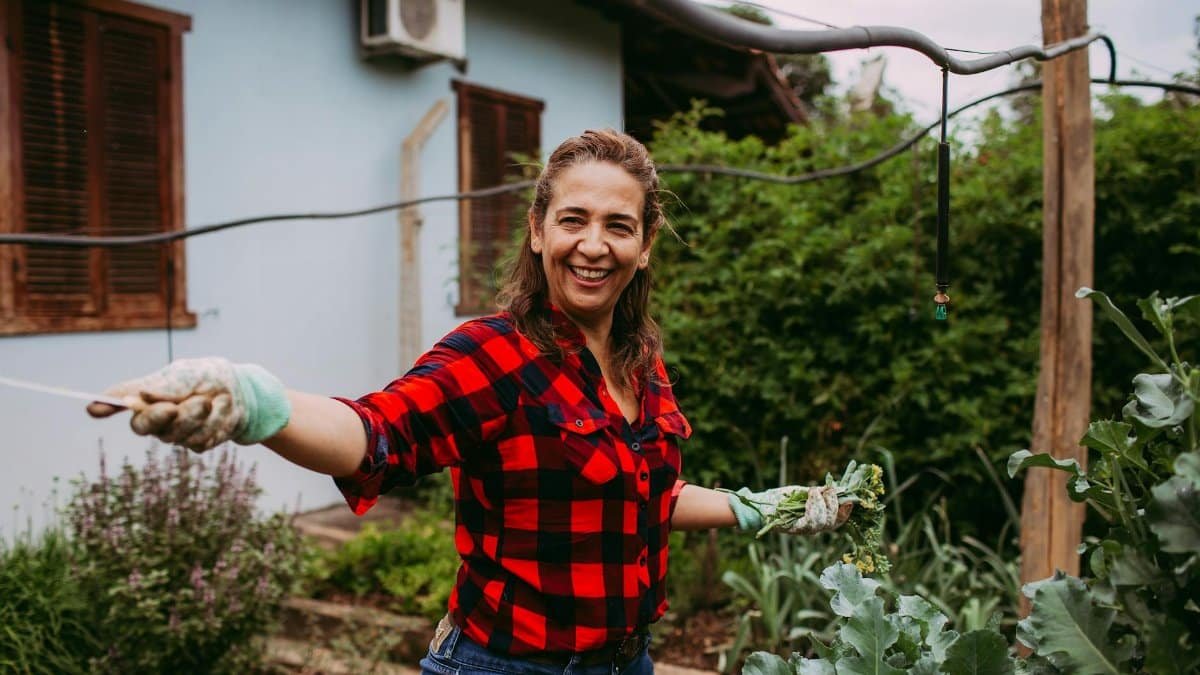
Transforming living spaces into havens promotes serenity. Simple acts like decluttering or adding plants create environments that soothe. A writer in Denver rearranged her nook for reading, finding it amplified her creativity. Research by the American Psychological Association links organized spaces to lower anxiety. It’s about intentionality: choosing items that spark joy, not excess. For some, this means cozy lighting or scent diffusers. Urban dwellers adapt with balcony gardens. The routine encourages ongoing tweaks, aligning home with inner needs. Tensions arise with shared spaces, requiring compromise. Yet, the payoff is profound—a retreat that nurtures wellbeing daily.
7. Savoring Leisure Reading

Diving into a book without haste revives the soul. This routine prioritizes immersion over speed, letting stories unfold naturally. In book clubs across the Midwest, members discuss how it combats isolation. A NIH study shows reading reduces stress by 68%, rivaling yoga. One person recounted online how evening pages replaced mindless TV, sparking vivid dreams and empathy. It’s accessible: libraries offer free escapes. Busy schedules pose hurdles, but micro-sessions work. This practice enriches vocabulary and perspectives, weaving intellectual growth into routines. Amid digital distractions, it’s a timeless anchor.
8. Gratitude Practices

Noting three things to appreciate daily shifts mindsets. This subtle routine counters negativity bias, fostering positivity. A nurse in Florida integrated it post-shift, easing compassion fatigue. Evidence from UC Berkeley’s Greater Good Science Center demonstrates improved relationships and health. Some use apps, others notebooks. It evolves: from surface thanks to deeper reflections. Skepticism fades with results. In 2025’s uncertain climate, it builds emotional resilience, turning ordinary moments into treasures.
9. Evening Wind-Down Rituals

Easing into night with gentle activities signals rest. Dim lights, herbal tea, or light stretching prepare the body. A couple in California adopted this, reporting deeper sleep and connection. The Sleep Foundation notes such habits enhance sleep quality, vital for wellbeing. It’s customizable: reading or baths suit different preferences. Inconsistent schedules challenge, but routines adapt. This caps the day mindfully, preventing carryover stress. Ultimately, it honors the body’s rhythm, embodying slow-living’s core.
These routines, woven into daily life, illustrate how slow-living enhances wellbeing without overhaul. They invite a gentler pace, proving small shifts yield big rewards.