
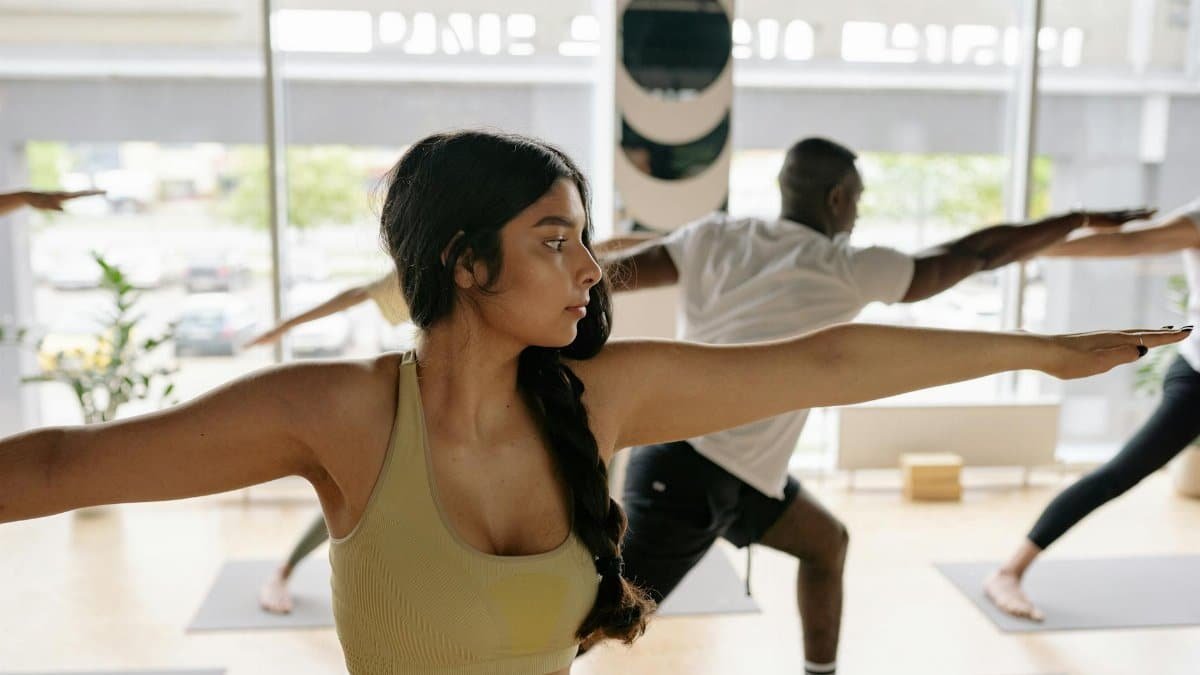
New data shows 68% of Americans report high stress levels, but community-driven wellness habits are turning the tide. According to a recent Pew Research survey, participation in group activities for wellness, stress, relief has surged by 25% since 2020. From neighborhood walks to shared meditation sessions, these habits are fostering connections and easing mental burdens. As we head into 2025, experts say embracing community ties could be key to combating isolation-fueled anxiety. This shift highlights how collective efforts are reshaping personal health strategies across the U.S.
1. Group Yoga Sessions
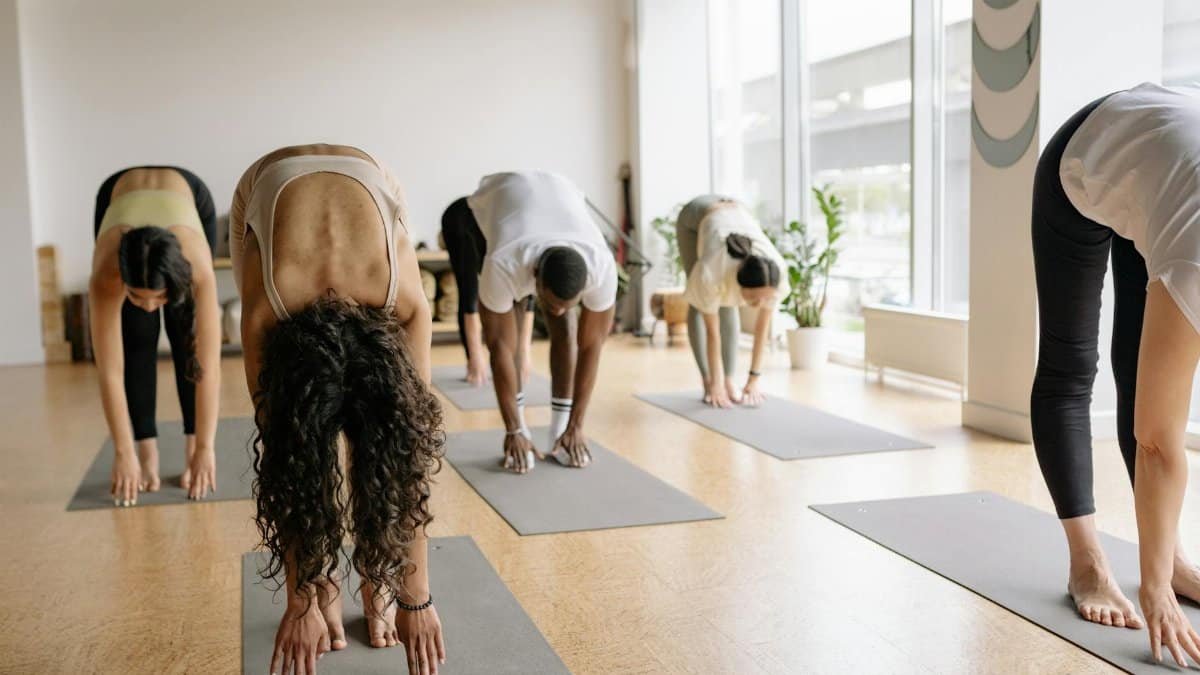
Community yoga classes are booming in parks and local centers. Participants stretch and breathe together, melting away daily tensions. Instructors guide flows that build mindfulness and flexibility. A study from the National Institutes of Health links regular yoga to reduced cortisol levels. Cities like New York and Los Angeles see weekly meetups drawing hundreds. It’s not just exercise; it’s a social balm that strengthens bonds while calming minds. Attendees often leave feeling refreshed and connected.
2. Neighborhood Walking Clubs

Walking groups are simple yet effective for stress busting. Residents gather for brisk strolls through local trails or streets. Conversation flows as steps add up, releasing endorphins naturally. Research from the CDC shows walking in groups boosts mood and adherence to routines. In suburbs across the Midwest, these clubs meet daily, turning solitary walks into communal therapy. Members share stories, laugh, and unwind, proving movement with others amplifies relief.
3. Community Gardening Projects
Tending shared gardens offers hands-on stress relief. People dig, plant, and harvest together, connecting with nature and neighbors. The rhythmic tasks distract from worries and promote achievement. A report from Harvard University notes gardening lowers anxiety through soil microbes and social interaction. Urban plots in Chicago and Seattle thrive with volunteers, fostering friendships amid blooming flowers. It’s a grounding habit that nurtures both plants and peace of mind.
4. Meditation Circles
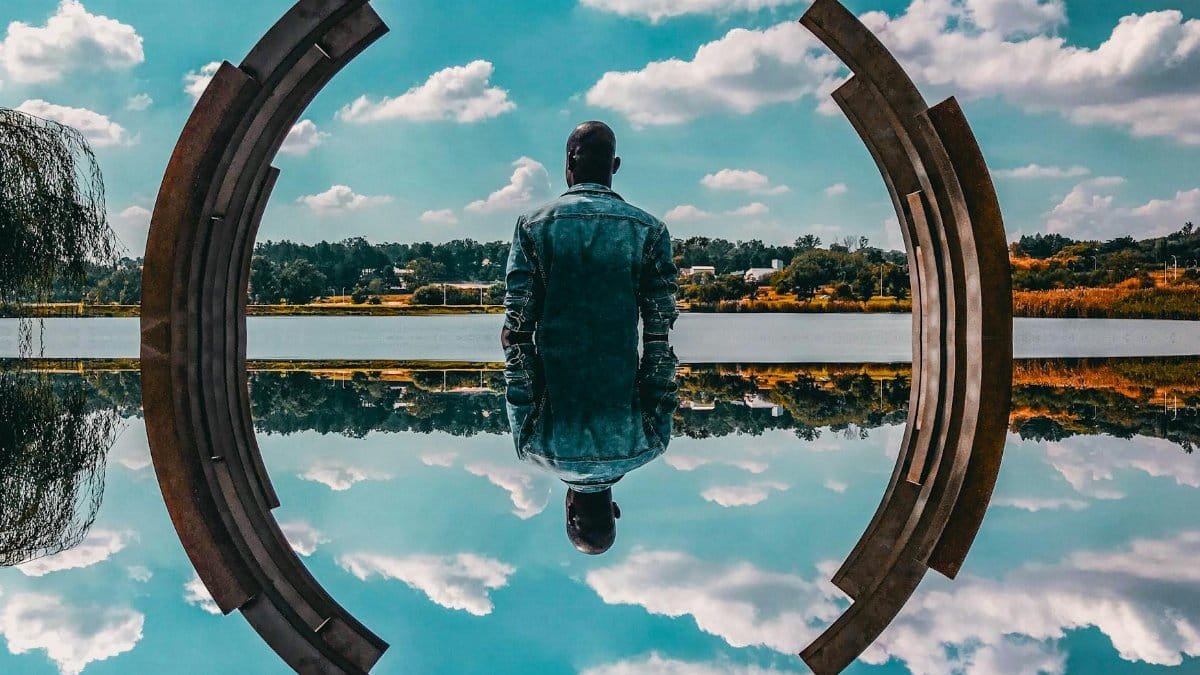
Local meditation groups sit in silence or guided sessions, focusing on breath to quiet racing thoughts. These circles build a supportive environment for mindfulness practice. Findings from the National Institutes of Health indicate group meditation enhances emotional regulation. In coastal communities like San Francisco, weekly circles attract diverse crowds seeking calm. Participants report deeper relaxation and reduced burnout, making it a staple for collective wellness.
5. Book Clubs with Wellness Themes
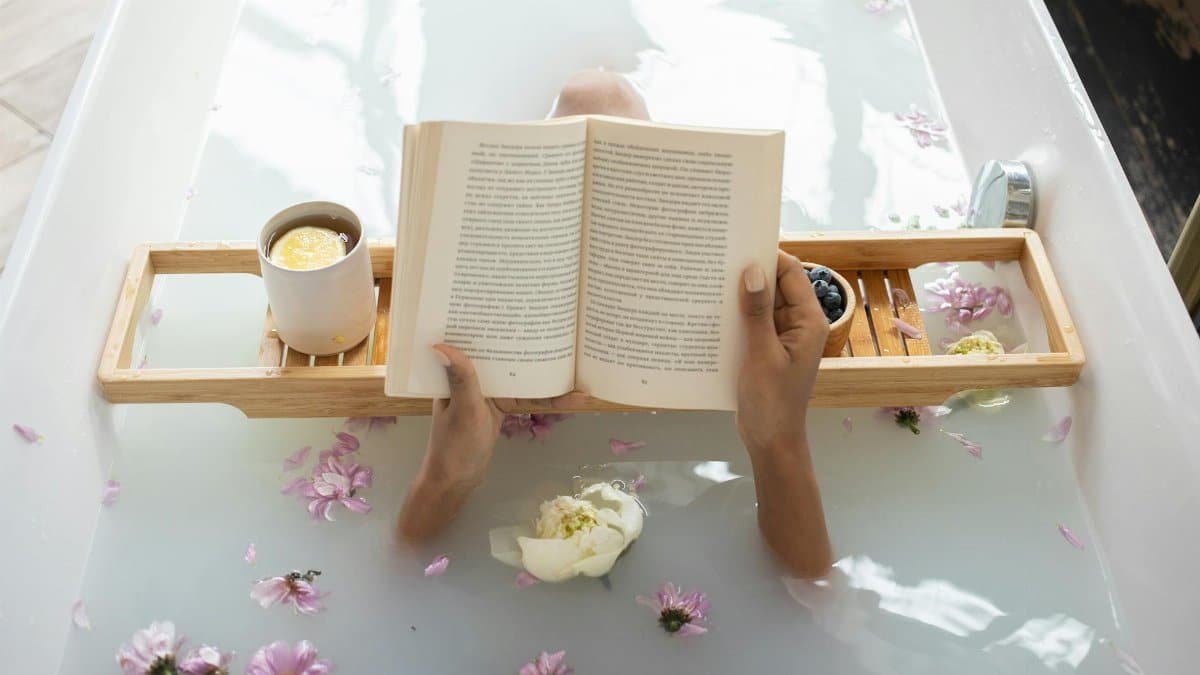
Book discussions centered on self-help or mindfulness texts spark insightful exchanges. Members dissect chapters, applying lessons to daily stresses. This intellectual engagement distracts and enlightens. Pew Research data reveals book clubs improve social ties and mental health. In towns like Austin, Texas, groups meet monthly, blending literature with life hacks. Readers emerge inspired, with new tools for handling pressure through shared wisdom.
6. Volunteer Service Days
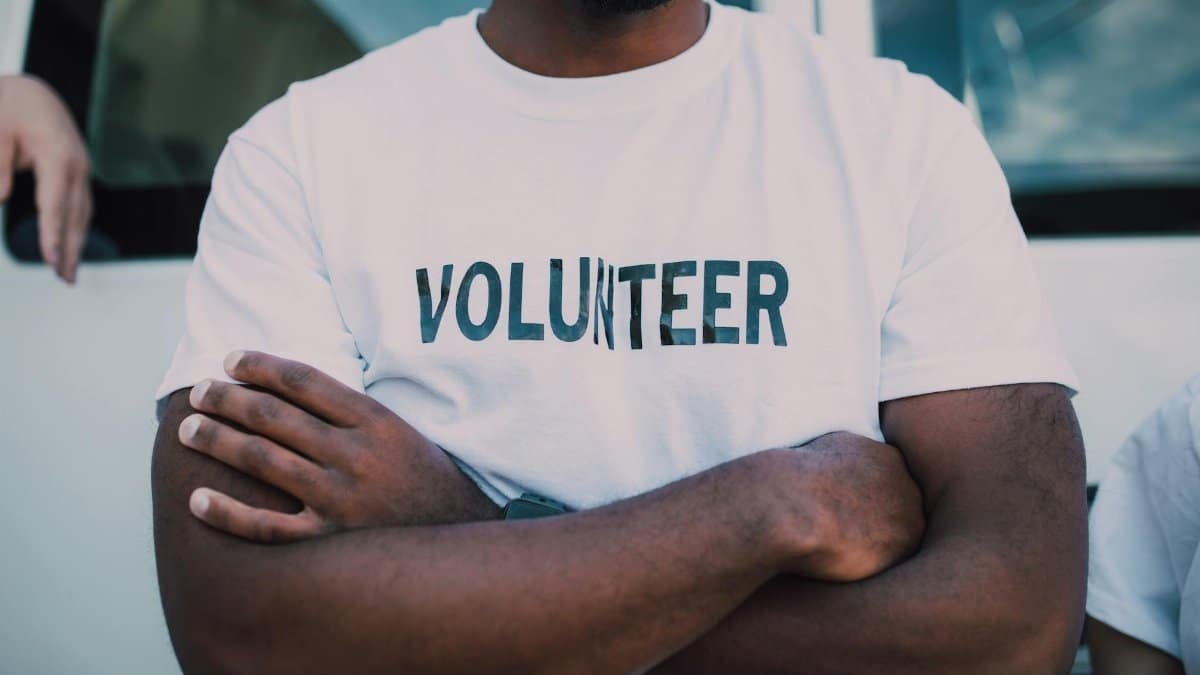
Community service events channel energy into helping others, diverting focus from personal stressors. Activities like food drives or cleanups build purpose and camaraderie. Studies from the Mayo Clinic show volunteering correlates with lower depression rates. Across the U.S., organizations host regular days where locals pitch in, forging bonds while giving back. The act of service often leaves participants with a sense of fulfillment that eases internal turmoil.
7. Art and Craft Workshops

Group art sessions let creativity flow, providing an outlet for expression without words. Painting, pottery, or crafting together soothes frazzled nerves. Research from the American Psychological Association links creative activities to stress reduction. Community centers in places like Portland offer free workshops, drawing crowds eager to unwind. Attendees discover joy in making, turning anxiety into artwork and strengthening neighborhood ties.
8. Shared Meal Potlucks
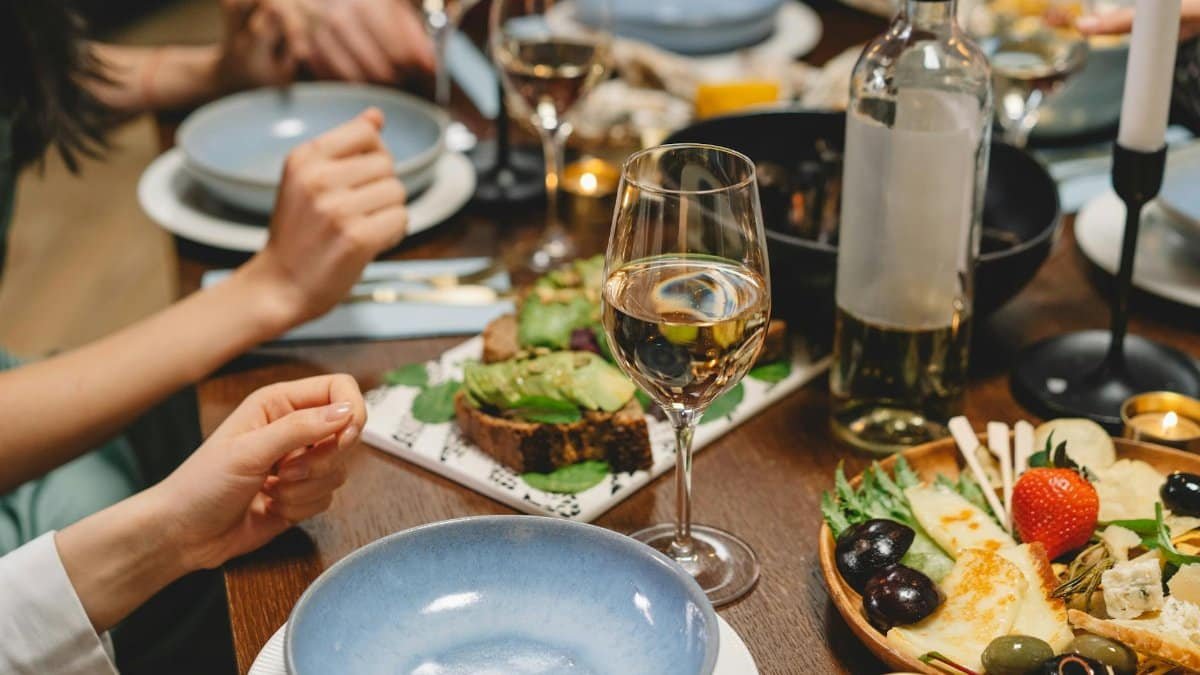
Potluck gatherings bring people together over home-cooked food, sparking laughter and stories. The act of sharing meals nurtures emotional bonds and comfort. A study summarized by the Centers for Disease Control and Prevention highlights communal eating’s role in mental well-being. In rural areas and cities alike, these events happen weekly, offering a delicious escape from isolation. Bonds formed over bites often lead to lasting support networks.
9. Dance or Movement Classes

Community dance groups groove to rhythms, shaking off stress through joyful motion. From salsa to freestyle, movement liberates pent-up energy. Evidence from Johns Hopkins University suggests dance improves mood via endorphin release. Venues in Miami and beyond host open sessions, welcoming all skill levels. Dancers leave energized, with reduced tension and new friends, proving rhythm is a powerful community healer.
10. Support Group Meetings

Local support groups for stress management provide safe spaces to vent and learn coping strategies. Peers share experiences, offering empathy and advice. The Substance Abuse and Mental Health Services Administration reports these groups significantly aid recovery. In communities nationwide, meetings occur regularly, helping members navigate challenges together. This collective vulnerability fosters resilience, turning individual struggles into shared triumphs for wellness, stress, relief.