
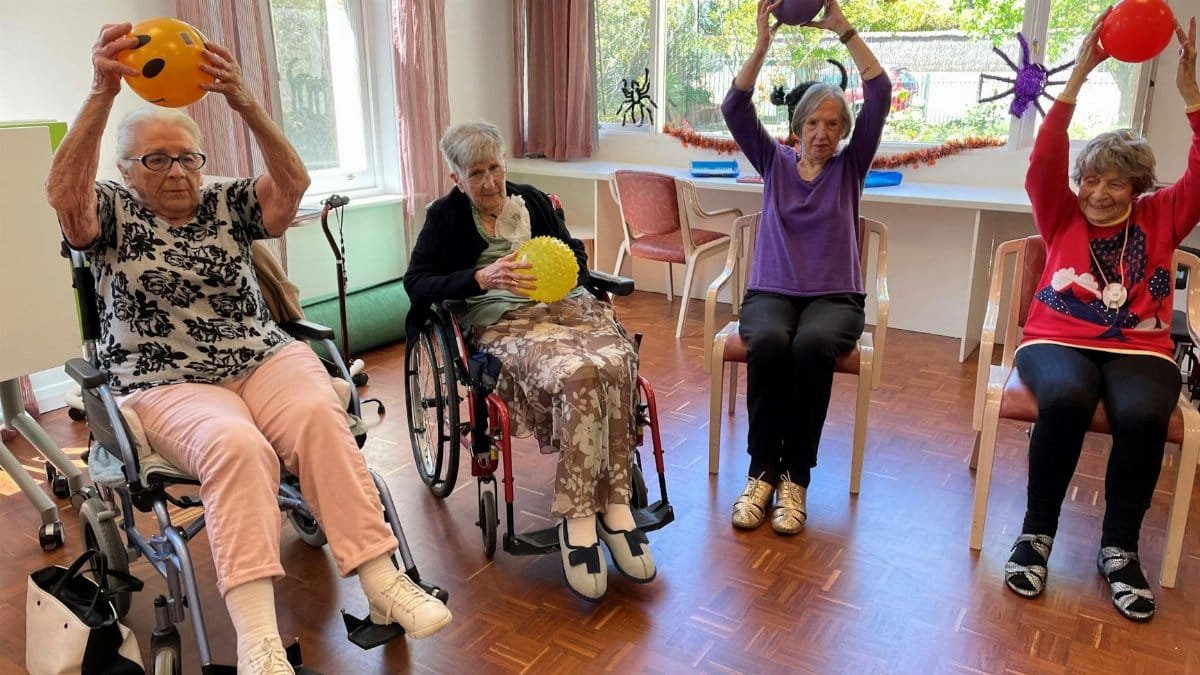
A recent study from the Pew Research Center revealed that 68% of Americans now prioritize mental well-being over career ambition, a sharp rise from just 42% a decade ago. This shift underscores a growing embrace of quieter, more intentional lifestyles amid the chaos of modern life. In communities across the U.S., from bustling suburbs in California to rural towns in the Midwest, people are turning to quiet-living habits that foster deeper connections and emotional resilience. These practices, often simple and unassuming, are quietly reshaping how neighbors support one another, building a sense of belonging that counters isolation. As we navigate 2025’s uncertainties, exploring quiet-living, habits, community offers a timely lens on advancing wellness together.
1. Mindful Morning Routines

Starting the day with intention sets a tone that ripples through community interactions. Many find that a brief meditation or journaling session before the rush helps cultivate patience and empathy. Take Sarah, a teacher in Seattle, who began her mornings with 10 minutes of silent reflection. Soon, she noticed herself listening more actively during neighborhood meetings, sparking collaborative ideas for local events. This habit isn’t about isolation; it’s a foundation for engaging others with clarity. Research from the National Institutes of Health supports this, showing mindfulness reduces stress and enhances social bonds.National Institute of Mental Health on Mindfulness. In bustling areas, such groups are forming walking clubs that combine quiet reflection with casual chats, strengthening ties one step at a time.
Yet, it’s not always straightforward. Some struggle with consistency amid family demands, but adapting by involving kids turns it into a shared ritual, modeling wellness for the next generation.
2. Shared Gardening Projects
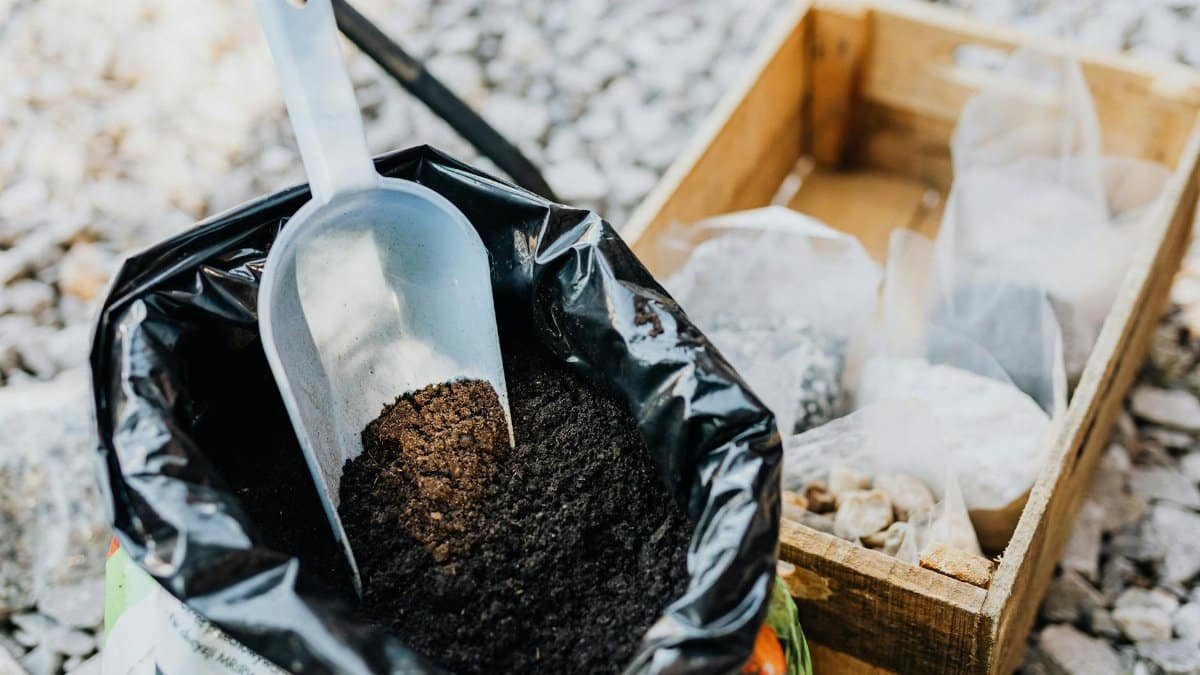
Imagine hands in the soil, neighbors chatting over seedlings—this is where quiet-living blooms into community strength. Community gardens have surged in popularity, providing spaces for low-key collaboration that nourishes both body and spirit. In Detroit, plots once vacant are now vibrant hubs where residents swap tips on heirloom tomatoes, forging friendships amid the greenery. One online account described the relief of escaping screen time for these earthy gatherings, feeling truly grounded. A report from the American Community Gardening Association highlights how such initiatives boost mental health and reduce food insecurity.American Community Gardening Association Resources.
The beauty lies in the unhurried pace. No agendas, just growth. Participants often leave with more than produce; they carry a renewed sense of purpose, weaving quiet-living habits into the fabric of neighborhood wellness.
3. Digital Detox Evenings

Setting aside screens after sunset invites a return to analog connections, a habit gaining traction in an always-on world. Families in Austin are experimenting with device-free dinners, leading to stories shared and laughter echoing without interruptions. This practice counters the fatigue of constant connectivity, allowing space for genuine presence. Studies from Harvard Medical School link reduced screen time to improved sleep and relationships.Harvard Health on Digital Detox.
Of course, challenges arise—like the pull of urgent emails—but starting small, perhaps with a single evening, builds momentum. Over time, these pauses foster communities where people feel seen, not just scrolled past, enhancing emotional resilience through simple disconnection.
4. Neighborhood Walking Groups

What begins as a solitary stroll can evolve into a collective ritual, blending movement with quiet conversation. In Chicago’s diverse wards, informal groups meet at dawn, discussing everything from local news to personal dreams without the pressure of structured agendas. This habit promotes physical health while quietly knitting social threads. The Centers for Disease Control and Prevention notes that regular walking lowers chronic disease risks and boosts community cohesion.CDC on Physical Activity Basics.
One participant recalled how these walks helped navigate grief, with neighbors offering silent support. It’s a reminder that quiet-living doesn’t mean silence; it’s about creating room for meaningful exchanges that advance wellness organically.
5. Communal Meal Preps

Gathering to chop vegetables and simmer soups turns cooking into a communal anchor. In small towns across the South, potluck-style prep sessions are reviving old traditions, where recipes pass like heirlooms. This habit encourages mindfulness in the kitchen, focusing on flavors and fellowship over haste. A study from the Journal of the American Medical Association underscores how shared meals improve dietary habits and social ties.JAMA on Shared Meals.
Tensions can surface over dietary preferences, but negotiating them builds empathy. Ultimately, these sessions leave everyone fuller—not just in stomach, but in spirit, embodying quiet-living’s role in community bonds.
6. Gratitude Circles

Simple rounds of sharing what’s appreciated can transform group dynamics. In Portland co-ops, weekly circles have become a staple, where voices rise softly, acknowledging small wins and kindnesses. This practice shifts focus from complaints to positivity, fostering resilience. Insights from the Greater Good Science Center at UC Berkeley affirm gratitude’s power in enhancing well-being.Greater Good Science Center on Gratitude.
Not everyone opens up immediately; some sessions start awkwardly. But persistence reveals layers, turning strangers into allies. In 2025, as divisions linger, such habits quietly mend the social fabric.
7. Local Storytelling Nights

Under dim lights, tales unfold—personal histories that bridge gaps. Communities in New England are reviving oral traditions through casual evenings, where quiet-living means listening deeply. One storyteller shared a migration journey, inspiring empathy among listeners. This habit preserves culture while building emotional bridges. The National Endowment for the Arts reports on storytelling’s impact on community vitality.National Endowment for the Arts Impact.
Shyness can hinder participation, yet encouragement draws out voices. These nights remind us that quiet-living, habits, community thrive on shared narratives, advancing wellness through connection.
8. Volunteer Buddy Systems

Pairing up for service projects infuses helping with companionship. In Denver, buddies tackle tasks like park cleanups, chatting amid the work. This approach makes volunteering sustainable, blending action with quiet reflection. Data from VolunteerMatch shows increased retention through social pairings.VolunteerMatch Learning Center.
Conflicts over pace arise, but resolving them strengthens partnerships. As quiet-living habits spread, these systems enhance community wellness by making giving back a joyful, shared endeavor.
9. Reflective Journaling Exchanges

Swapping anonymized journal entries sparks insight without vulnerability overload. Groups in the Bay Area use this to explore thoughts on daily life, offering feedback gently. It cultivates self-awareness that extends to communal empathy. Psychological research from the American Psychological Association links journaling to better mental health.APA on Journaling.
Privacy concerns loom, so clear guidelines help. Over time, this habit weaves quiet-living into community tapestries, fostering resilience through mutual understanding. In reflecting together, wellness advances not in isolation, but in the gentle interplay of shared quietude.