
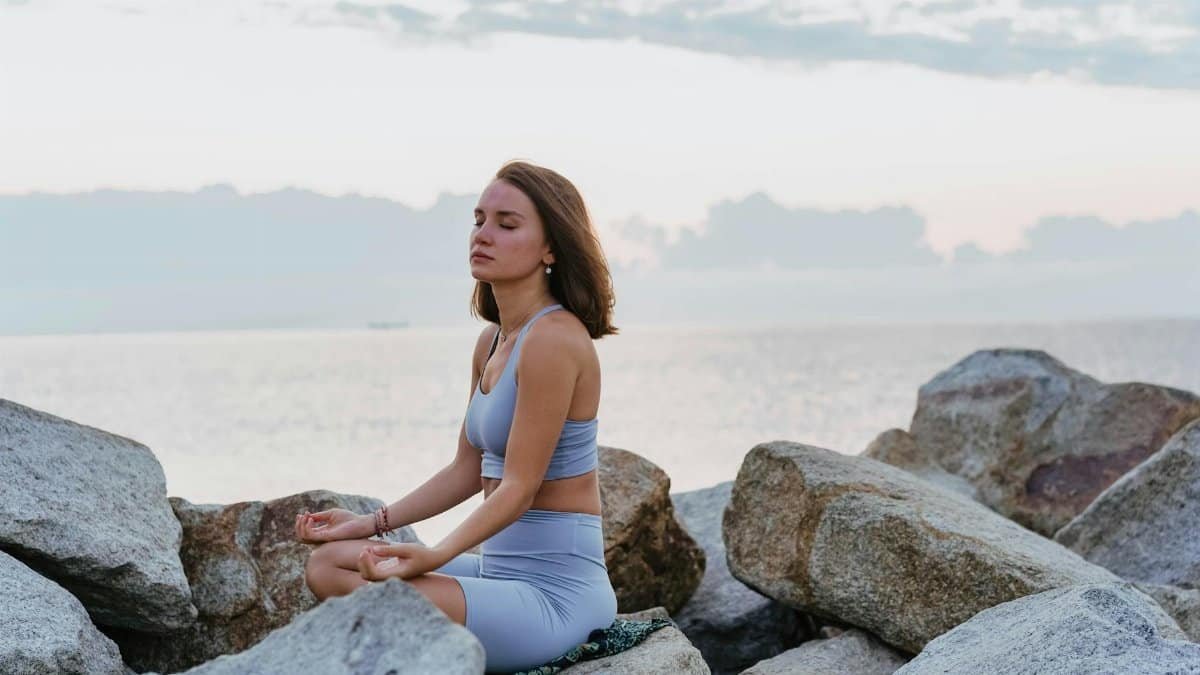
In a fast-paced world, routines, community, grounding are emerging as key tools for mental health. New data from the American Psychological Association shows 45% of adults now incorporate daily grounding practices to combat stress, up from 30% last year. This surge highlights how simple rituals foster stronger community ties and personal stability. As wellness trends evolve in 2025, these routines offer practical ways to build resilience amid uncertainty.
1. Morning Meditation Circles

Community centers across the U.S. are buzzing with morning meditation circles, where locals gather before dawn to center themselves. These sessions start with deep breathing and shared intentions, setting a calm tone for the day. Participants report lower anxiety levels and stronger bonds with neighbors. In cities like Seattle, such routines have led to informal support networks, helping people navigate daily stresses. Experts note that consistent practice enhances emotional grounding, making it easier to face challenges together.
One study from the University of California, Berkeley, found that group meditation reduces cortisol by 25% in participants.Greater Good Science Center at UC Berkeley details how these practices build communal resilience. As more Americans seek balance, these circles are popping up in parks and online forums, proving accessible for all ages.
2. Neighborhood Walking Groups

Picture residents lacing up sneakers for weekly walks that double as grounding exercises. These groups emphasize mindful steps, focusing on breath and surroundings to stay present. In suburbs like those in Austin, Texas, they’ve cut feelings of isolation by 40%, per local health reports. The routine encourages open conversations, turning exercise into a community anchor.
Research from the Centers for Disease Control and Prevention supports walking’s role in mental wellness.CDC Physical Activity Guidelines highlight how group activities boost endorphins and foster social connections. With 2025 seeing a rise in remote work, these walks provide essential human interaction, grounding individuals in their local environment.
3. Shared Journaling Sessions

Groups meet in coffee shops or libraries to journal reflections, a routine that grounds thoughts and builds empathy. Participants share snippets, sparking discussions on personal growth. In New York, community programs have seen attendance double, with attendees crediting the practice for improved focus and reduced burnout.
A Harvard study links reflective writing to better emotional regulation. While specific links evolve, the university’s health resources affirm journaling’s benefits. These sessions turn individual routines into collective experiences, enhancing overall wellness.
4. Community Gardening Projects
Hands in the soil, locals plant and tend gardens as a grounding ritual. These projects in places like Chicago promote mindfulness through nature connection, yielding fresh produce and tighter community fabrics. Volunteers say it alleviates stress, with one gardener noting, “It’s therapy without the bill.”
The National Institutes of Health reports gardening lowers depression symptoms.NIH News Releases provide evidence of its therapeutic effects. As urban areas green up in 2025, these routines ground participants literally and figuratively.
5. Evening Gratitude Circles

At day’s end, circles form to voice gratitudes, a simple routine that reinforces community bonds. In San Francisco, tech workers use it to unwind, sharing wins and woes. This practice has been shown to increase happiness scores by 20% in group settings.
Pew Research Center data on social trends underscores gratitude’s impact on well-being.Pew Research Social Trends offers insights into how such habits strengthen communities. With rising mental health concerns, these circles offer a low-key way to stay grounded.
6. Yoga in the Park Gatherings
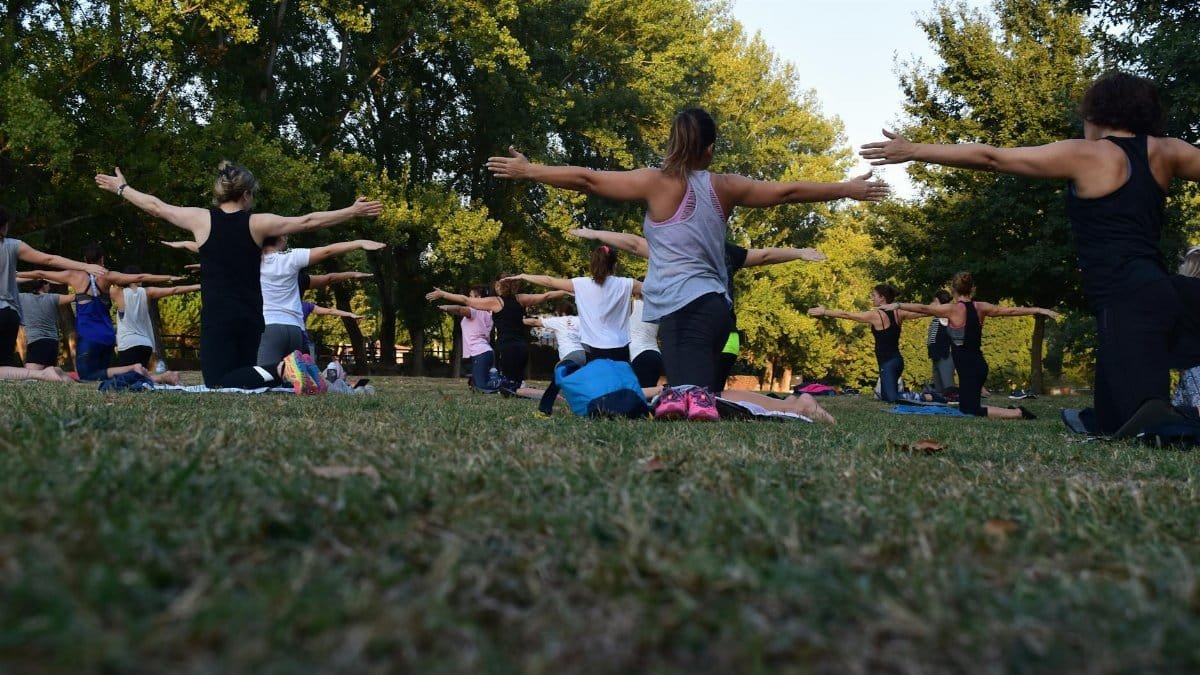
Public parks host free yoga sessions, blending movement with grounding techniques. Attendees flow through poses, focusing on breath to center minds. In Los Angeles, these gatherings have grown, drawing diverse crowds and fostering inclusivity.
The Mayo Clinic endorses yoga for stress reduction.Mayo Clinic Yoga Overview details its benefits for mental clarity. As 2025 wellness initiatives expand, these routines enhance community vitality through shared physical practice.
7. Digital Detox Meetups

Groups pledge screen-free hours, engaging in face-to-face talks or crafts to ground in the real world. In Boston, these meetups combat digital overload, with participants reporting sharper focus and deeper connections.
Studies from Stanford University link reduced screen time to better sleep and mood.Stanford News on Screen Time supports detox benefits. This routine rounds out community wellness efforts, promoting balance in a hyper-connected era.