

In a world obsessed with perfection, millions are quietly battling an inner war. New data from a 2024 survey by the American Psychological Association reveals that 62% of U.S. adults report low self-esteem impacting their daily lives, often stemming from unresolved past traumas or societal pressures. Enter self-love resilience—the ability to bounce back from self-doubt and nurture compassion amid life’s chaos. It’s not about flawless positivity; it’s the gritty skill of accepting imperfections without crumbling. As mental health experts note, this resilience could be the hidden key to why so many struggle, offering a path to genuine emotional strength in 2025 and beyond.
What Exactly Is Self-Love Resilience?

Self-love resilience goes beyond trendy affirmations. It’s the capacity to maintain kindness toward yourself even when failures hit hard. Psychologists describe it as a blend of self-compassion and emotional durability, rooted in practices like mindfulness and boundary-setting. Unlike fleeting self-care routines, this resilience builds a foundation that withstands criticism, both external and internal. A study from the University of California, Berkeley’s Greater Good Science Center highlights how such resilience correlates with lower anxiety levels. For many, it’s the missing piece in personal growth, turning self-doubt into a temporary setback rather than a defining trait. In today’s high-stress environment, embracing this concept means recognizing that self-love isn’t innate—it’s cultivated through deliberate effort.
The Role of Childhood Experiences

Many struggles with self-love trace back to early years. Harsh parenting, bullying, or neglect can wire the brain to default to self-criticism. Experts from the National Institute of Mental Health point out that these patterns persist into adulthood, making resilience harder to achieve. For instance, adults who faced childhood adversity often report higher rates of imposter syndrome, where achievements feel undeserved. Building self-love resilience here involves therapy techniques like cognitive behavioral approaches, which reframe negative narratives. Recent U.S. trends show a surge in therapy apps addressing this, with usage up 40% since 2023, signaling a shift toward proactive mental health strategies.
Societal Pressures Fueling the Struggle

Social media amplifies the problem. Constant exposure to curated lives breeds comparison, eroding self-worth. A 2024 report from Pew Research Center found that 55% of young adults feel worse about themselves after scrolling. This environment demands self-love resilience to counteract the noise—learning to unplug and validate personal progress. In workplaces, too, hustle culture pushes burnout, where self-care gets labeled as weakness. Yet, resilient individuals set limits, prioritizing well-being over approval. As 2025 unfolds, experts predict more corporate wellness programs will incorporate resilience training to combat these pressures.
Common Signs of Low Self-Love Resilience

Spotting the issue is step one. Persistent self-sabotage, like avoiding opportunities due to fear of failure, signals weakness in this area. Other red flags include chronic people-pleasing or emotional numbness after setbacks. According to the Centers for Disease Control and Prevention, such patterns link to higher depression risks. If compliments feel uncomfortable or mistakes trigger shame spirals, resilience may be lacking. Awareness brings change; tracking these signs through journaling can reveal patterns, paving the way for targeted improvements without overwhelming the process.
Practical Steps to Build It
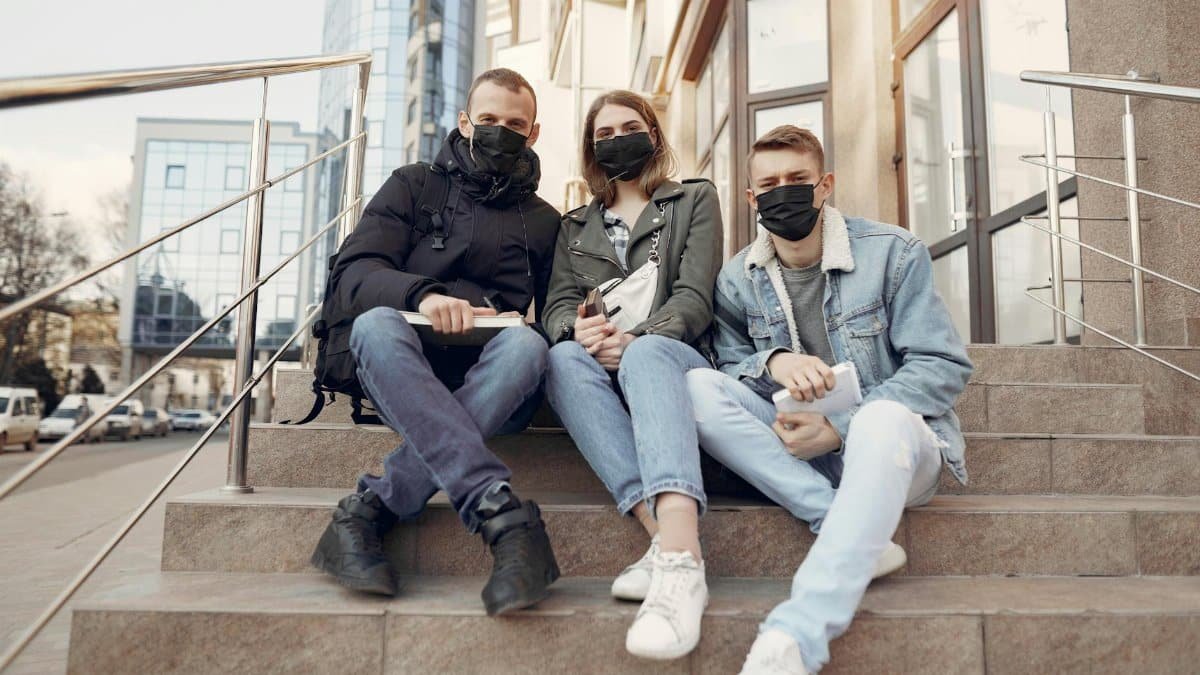
Start small. Daily practices like gratitude lists rewire the brain for positivity. Incorporate self-compassion exercises, such as treating yourself like a friend during tough times. Research from Harvard University’s positive psychology lab supports this, showing consistent habits boost emotional recovery. Set boundaries to protect energy, and seek supportive communities—online forums or local groups foster accountability. For lasting impact, combine with physical activity; a brisk walk can shift mindset. In 2025, apps integrating AI-guided resilience coaching are gaining traction, making these steps accessible to busy Americans.
Expert Insights on Overcoming Barriers

Therapists emphasize patience. Dr. Kristin Neff, a leading researcher on self-compassion, notes that resilience grows through acknowledging pain without judgment. Her work, detailed in resources from the Self-Compassion website, underscores that forcing positivity backfires. Instead, validate emotions first. U.S. clinicians report rising demand for resilience-focused counseling, especially post-pandemic. Barriers like perfectionism often stem from fear, but gradual exposure—facing small fears—builds strength. Integrating mindfulness apps, backed by studies from the National Institutes of Health, helps sustain progress.
Real-Life Impacts in Everyday Scenarios
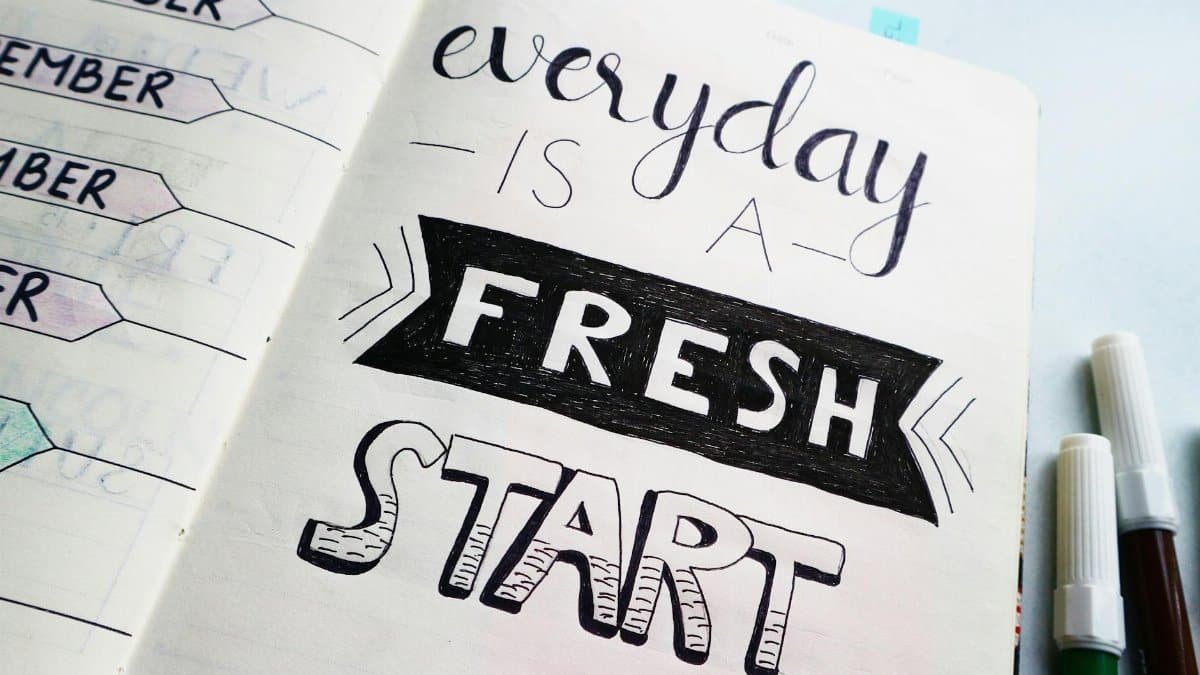
Consider Jane, a New York accountant who hit rock bottom after a divorce. By practicing self-love resilience, she rebuilt confidence, landing a promotion she once deemed impossible. Stories like hers echo across the U.S., from entrepreneurs overcoming failures to parents modeling resilience for kids. A 2024 analysis by the Journal of Positive Psychology links higher resilience to better relationships and job satisfaction. In diverse communities, this approach addresses cultural stigmas around mental health, promoting inclusivity. As trends evolve in 2025, more people are sharing successes, inspiring collective shifts.
The Science Backing Its Effectiveness
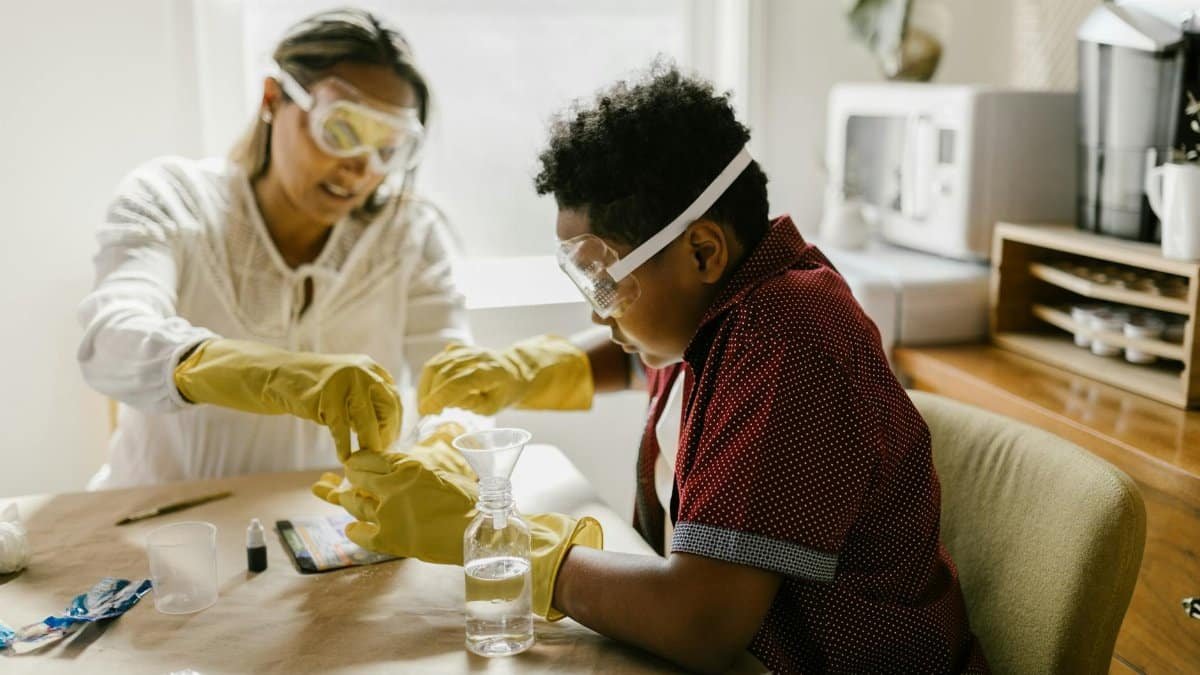
Evidence mounts. Neuroimaging studies show resilient self-love activates brain regions tied to empathy and stress regulation. The American Psychological Association’s resilience resources detail how this buffers against adversity. Long-term data from longitudinal surveys indicate that individuals with strong self-love resilience experience 30% fewer mental health crises. Critics argue it’s overhyped, but controlled trials refute that, proving measurable benefits in well-being scores. For skeptics, starting with evidence-based books or workshops can demystify the process.
Potential Pitfalls to Avoid
Beware of toxic positivity. Forcing self-love without addressing root issues leads to burnout. Another trap: isolating during low periods, which weakens resilience. Experts warn against quick fixes like unvetted online challenges that promise instant results. Instead, consult professionals for tailored advice. In the U.S., misinformation on social platforms complicates this, but sticking to verified sources ensures safe progress. Recognizing when to seek help prevents setbacks, turning potential pitfalls into growth opportunities.
Looking Ahead: Why It Matters Now

With economic uncertainties and global tensions, self-love resilience equips individuals for turbulence. Mental health advocates predict it will shape 2025 wellness trends, from school curriculums to corporate policies. By tackling hidden struggles head-on, people gain tools for authentic living. Ultimately, it’s about reclaiming power from self-doubt, fostering a society where emotional strength is the norm. As more embrace it, the ripple effects could transform how Americans navigate challenges.Greater Good Science Center on Self-CompassionAmerican Psychological Association on ResiliencePew Research Center on Social Media and Mental Health