
What if the key to true healing lies not in grand gestures or elaborate therapies, but in the simple act of being present with yourself? Imagine healing as a gentle undercurrent in a river, carrying away debris without fanfare. It flows steadily, reshaping the landscape over time. In our hurried lives, many Americans chase quick fixes for emotional wounds, from apps promising instant calm to retreats vowing transformation. Yet, a growing body of research suggests that cultivating a healing presence, that quiet attunement to one’s inner state, might offer the most profound shift. This isn’t about forcing positivity. It’s about allowing space for what arises. As mental health conversations evolve in 2025, more people are discovering that when they finally stop running, healing begins to unfold naturally. Short pauses in the day can reveal this. A breath. A moment of stillness. Suddenly, old patterns loosen their grip.
The Roots of Healing Presence

Healing presence draws from ancient practices, yet it feels freshly relevant today. Think of mindfulness traditions in Buddhism, where being fully in the moment fosters inner peace. In the U.S., this concept has woven into modern psychology. Therapists often describe it as the quality of being attuned, both to oneself and others, without judgment. A study from the American Psychological Association highlights how such presence correlates with reduced anxiety. Researchers found that participants who practiced mindful presence reported 25% lower stress levels after eight weeks.
But it’s not just clinical. Everyday folks are tapping into this. One woman, reflecting on her journey after a divorce, shared anonymously online that sitting quietly each morning helped her feel “anchored in my own skin for the first time.” This echoes broader trends. With remote work still dominant in 2025, many report using brief moments of presence to combat isolation. It’s practical, not esoteric. Start small: notice your breath during a commute. Over time, this builds resilience. Yet, tensions arise when life demands constant productivity. How do you balance presence with a packed schedule? It’s a dance, one that requires intention.
For more on the psychological benefits, check this American Psychological Association resource on mindfulness.
Why We Resist It

Resistance often stems from discomfort. Feeling our emotions fully can be daunting. In a culture that prizes busyness, pausing invites vulnerability. A recent survey by Pew Research showed that 40% of Americans feel overwhelmed by daily stressors, yet only a quarter regularly practice self reflection. Why the gap? Fear plays a role. What if surfacing old pains disrupts the fragile equilibrium we’ve built?
Consider a man in his fifties, a corporate executive from Chicago. He pushed through burnout for years, ignoring signals from his body. When he finally tried therapy focused on healing presence, the initial sessions felt like unraveling a knot. “It was messy,” he admitted in a shared story. But gradually, acceptance replaced avoidance. This illustrates a common arc: resistance gives way to relief. In 2025, with mental health apps booming, tools like guided meditations make entry easier. Still, the real work happens offline, in those unfiltered moments.
Dive into the data with this Pew Research overview on mental health trends.
Presence in Relationships
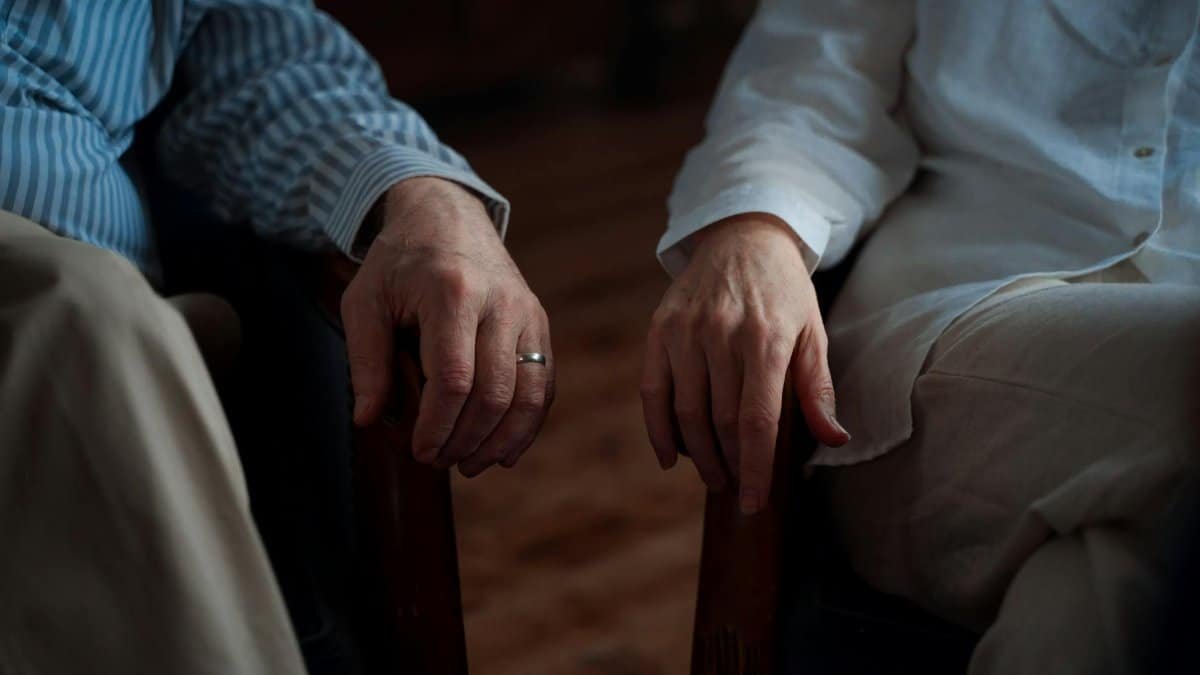
Healing presence extends beyond the self. In connections with others, it acts as a bridge. When you’re truly present, listening without agenda, bonds deepen. Couples therapists note this often. One approach, drawn from emotionally focused therapy, emphasizes attunement to foster security.
Picture a family dinner in a suburban home. Amid the chatter, a parent sets aside their phone, fully engaging with a child’s story. That simple act conveys value, planting seeds of emotional safety. Research from the National Institutes of Health supports this: mindful presence in parenting reduces child behavioral issues by promoting empathy. Yet, distractions abound in our digital age. Social media pulls attention away, fragmenting interactions. To counter this, some families institute “presence hours,” tech free zones that nurture closeness. It’s not always smooth; arguments can flare when old habits resurface. But persistence pays off, transforming routine exchanges into opportunities for healing.
Explore related findings at the National Institute of Child Health and Human Development parenting resources.
Physical Manifestations of Healing

Bodies hold stories. Healing presence invites us to listen to them. Chronic stress manifests as tension, headaches, or fatigue. By tuning in, we address these signals. Yoga instructors describe this as embodied awareness, where movement meets mindfulness.
A veteran from Texas, dealing with PTSD, found solace in somatic practices. “I learned to feel the weight in my chest without fighting it,” he recounted. Over months, symptoms eased. This aligns with studies showing presence based interventions lower cortisol levels. In 2025, workplaces are incorporating this, with wellness programs offering chair yoga or breathing breaks. But access varies; not everyone has resources for classes. Simple home practices, like progressive muscle relaxation, bridge the gap. The challenge? Consistency amid chaos. Still, even sporadic efforts accumulate, rewiring the nervous system toward calm.
Challenges in a Distracted World

Distractions test healing presence relentlessly. Notifications buzz, demanding attention. A report from the Centers for Disease Control and Prevention indicates rising screen time correlates with higher anxiety rates. How do we reclaim focus?
Start with boundaries. One approach: designate tech free rituals, like morning walks without earbuds. It sounds straightforward, but implementation reveals hurdles. A young professional in New York tried this, only to feel initial restlessness. “My mind raced,” she said. Yet, persistence brought clarity. This mirrors national patterns; as hybrid work persists in 2025, more seek balance. Experts suggest integrating presence into routines, not as an add on. The tension? Society rewards multitasking. Pushing back requires courage, but the payoff, deeper self connection, justifies it.
Review CDC insights on this Centers for Disease Control and Prevention mental health page.
Presence and Professional Growth

In careers, healing presence fuels authenticity. Leaders who embody it inspire teams. It’s about showing up fully, acknowledging vulnerabilities.
At a tech startup in Silicon Valley, a CEO implemented “presence meetings,” where participants share feelings before agendas. Productivity rose, as did morale. This draws from organizational psychology, where emotional intelligence drives success. Yet, in high stakes environments, vulnerability feels risky. What if it’s seen as weakness? Navigating this involves gradual steps, like reflective journaling post meetings. In 2025, with burnout rates steady, such practices gain traction. They foster innovation by clearing mental clutter, allowing fresh ideas to emerge.
Cultural Shifts Toward Acceptance

America’s evolving views on mental health amplify healing presence. Once stigmatized, self care is now mainstream. Celebrities share stories, normalizing the process.
From podcasts to books, narratives abound. One anonymous forum post described a breakthrough: “Allowing myself to feel without judgment changed everything.” This reflects a broader wave; surveys show increasing openness. But disparities persist, especially in underserved communities. Initiatives like community wellness circles address this, making presence accessible. The complexity? Cultural narratives sometimes glorify grit over gentleness. Shifting this requires collective effort, yet progress is evident in 2025’s wellness landscape.
Building a Daily Practice
Crafting a routine for healing presence needn’t be overwhelming. Begin with five minutes of quiet sitting. Notice thoughts without attachment.
A teacher from the Midwest incorporated this into her mornings. “It set a tone for the day,” she noted. Apps can guide, but the essence is internal. Combine with journaling for reflection. Challenges include waning motivation; accountability partners help. Over time, this practice embeds, influencing decisions subtly. It’s less about perfection, more about return. In busy lives, these pockets of presence accumulate, fostering lasting change.
The Ripple Effects on Society

When individuals embrace healing presence, communities benefit. Empathy spreads, reducing conflicts. Schools introducing mindfulness programs see fewer disruptions.
Imagine a neighborhood group practicing collective presence during meetings. Decisions improve, as listening deepens. Nationally, this could ease polarization. In 2025, with social tensions high, such approaches offer hope. Yet, systemic issues like inequality complicate access. Advocacy for inclusive programs is key. Ultimately, the ripple starts small, but its reach is profound, weaving healing into the social fabric.
Embracing the Journey Ahead

Allowing healing presence isn’t a destination; it’s an ongoing path. Setbacks happen, but each return strengthens resolve. As more Americans explore this in 2025, the conversation expands. It’s about permission: to feel, to be. In a world of noise, this quiet allowance transforms.