

In the bustling chaos of New York City, John Ramirez, a 45-year-old accountant, hit rock bottom after a bitter divorce. Overwhelmed by resentment, he stumbled upon peace forgiveness—a practice blending inner calm with letting go of grudges. What started as a desperate attempt to reclaim his sanity transformed his life, echoing stories from thousands seeking solace in 2025’s stressful world. As U.S. trends show rising interest in spiritual wellness, peace forgiveness emerges as a key tool for navigating life’s overload, offering a path to genuine reconnection without chasing perfection.
What Is Peace Forgiveness?

Peace forgiveness combines elements of mindfulness and emotional release. It’s not about forgetting wrongs but accepting them to foster inner tranquility. Experts define it as a deliberate process where individuals acknowledge pain, release anger, and embrace serenity. In today’s fast-paced society, this approach helps people detach from toxic cycles. According to psychologists, practicing it daily can reduce stress hormones, leading to better emotional health. It’s gaining traction among urban professionals facing burnout.
The Science Behind It

Research backs the power of forgiveness for peace. Studies show it lowers blood pressure and improves sleep. A report from the American Psychological Association highlights how holding grudges increases cortisol levels, while forgiveness promotes healing. In the U.S., with mental health crises on the rise in 2025, these findings are timely. Neuroscientists explain that forgiveness rewires brain pathways, shifting from fight-or-flight to rest-and-digest modes. This scientific validation makes peace forgiveness more than spiritual fluff; it’s a practical health strategy.
For more details, check the American Psychological Association on Forgiveness.
Common Barriers to Starting

Many hesitate to try peace forgiveness due to deep-seated anger or fear of vulnerability. Skeptics worry it means excusing bad behavior. Others struggle with self-forgiveness, especially after personal failures. Cultural stigmas in competitive environments like corporate America add pressure, making emotional openness seem weak. Yet, therapists note that these barriers often stem from misinformation. Overcoming them starts with small steps, like journaling resentments, to build momentum toward true peace.
Practical Steps to Reconnect

Begin with self-reflection. Identify grudges holding you back. Next, practice empathy by considering the other person’s perspective. Write a forgiveness letter, even if unsent, to process emotions. Incorporate meditation for five minutes daily to cultivate calm. Join support groups or apps focused on spiritual growth. In 2025, digital tools make this accessible, with U.S. users reporting higher satisfaction in wellness routines. Consistency turns these steps into habits, reconnecting you with inner peace amid life’s demands.
Impact on Relationships

Peace forgiveness transforms interpersonal dynamics. Couples who adopt it report fewer conflicts and stronger bonds. Families heal old wounds, fostering harmony. In workplaces, it reduces grudges, boosting teamwork. A Pew Research study on American social trends reveals that forgiveness practices correlate with happier relationships. As societal divisions persist in 2025, this approach bridges gaps. Real stories from therapy sessions show estranged siblings reuniting after embracing forgiveness, proving its relational power.
Explore the data at Pew Research Center Social Trends.
Mental Health Benefits

Beyond relationships, peace forgiveness aids mental well-being. It combats anxiety and depression by releasing emotional baggage. Clinical trials indicate participants experience lower symptom rates after forgiveness interventions. In the U.S., where one in five adults faces mental illness, this matters. Therapists integrate it into cognitive behavioral therapy for lasting results. Users describe a sense of lightness, as if shedding invisible weights. With rising awareness in 2025, it’s becoming a go-to for holistic health.
Real-Life Examples

Take Maria Gonzalez from Chicago, who forgave a betraying friend and found renewed energy for her career. Or veteran Tom Ellis, who used peace forgiveness to overcome PTSD triggers. These cases illustrate its versatility. Community programs in cities like Los Angeles promote it through workshops, drawing diverse crowds. Such examples highlight how everyday Americans apply it to reclaim peace when life overwhelms, turning personal turmoil into stories of resilience.
Incorporating It Daily

Make peace forgiveness routine. Start mornings with affirmations of release. During commutes, reflect on gratitude instead of grievances. Evening rituals like deep breathing help unwind. Track progress in a journal to see patterns. In busy U.S. lifestyles, these micro-habits fit seamlessly. Experts recommend pairing it with exercise for amplified effects. Over time, it shifts mindsets, making overwhelming days manageable and fostering sustained inner calm.
Potential Drawbacks and How to Handle Them

Not everyone succeeds immediately. Some face emotional backlash, reliving pain during the process. Critics argue it can enable abusers if boundaries aren’t set. To counter this, combine forgiveness with assertiveness training. Seek professional guidance if trauma is involved. In 2025’s self-help boom, resources abound, but discernment is key. Balancing forgiveness with self-protection ensures healthy outcomes, preventing misuse of the practice.
Looking Ahead: Trends in Practice
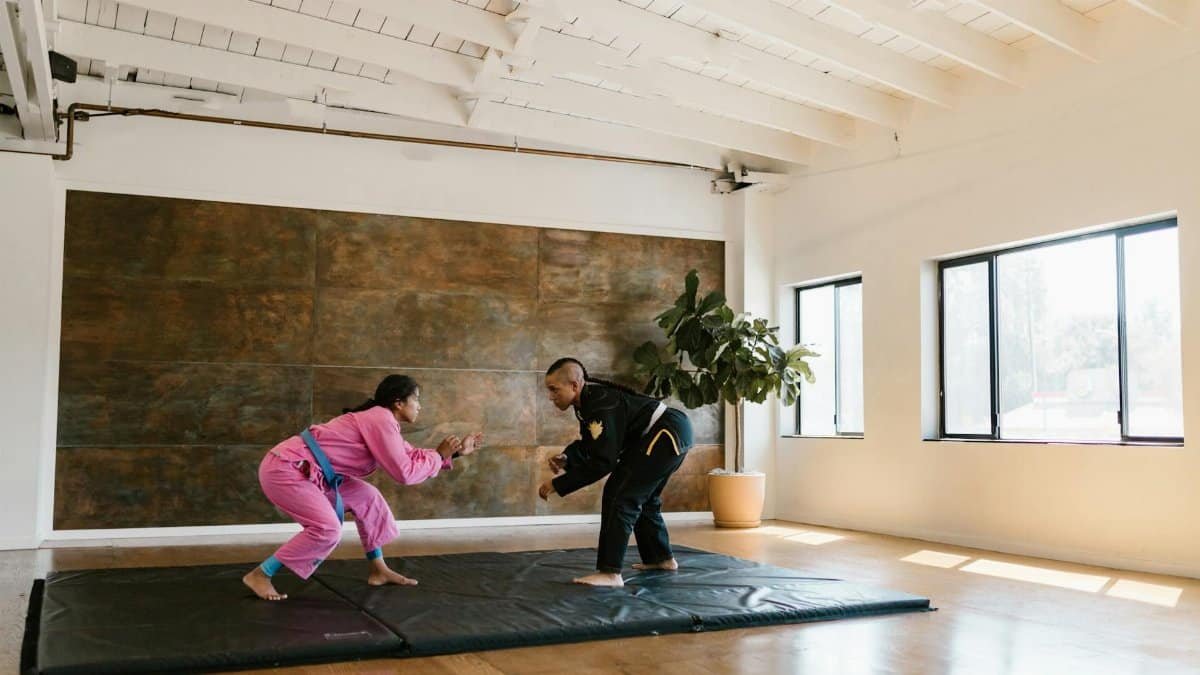
As wellness evolves, peace forgiveness integrates with tech like VR meditation apps. U.S. retreats spike in popularity, blending it with yoga. Younger generations, facing social media pressures, adopt it early. Forecasts suggest broader adoption in education and corporate wellness programs by mid-2025. This growth underscores its relevance, helping more people reconnect with peace when life feels too much.