

In a world obsessed with quick fixes, is healing self-love really the tough pill it’s cracked up to be? New surveys reveal that 68% of Americans report initial discomfort when embarking on self-healing journeys, according to a recent poll by the American Psychological Association. This discomfort stems from confronting long-buried emotions and breaking old patterns. Yet, experts say it’s a necessary step toward genuine growth. As mental health awareness surges in 2025, more people are turning to healing self-love practices, but not without that initial sting. It’s not about bubble baths and affirmations alone—it’s deeper, messier work that promises real transformation.
The Roots of Discomfort in Healing

Healing self-love often starts with unease because it forces individuals to face their inner critics. Psychologists explain that years of self-neglect build emotional walls, and dismantling them feels raw. A study from Harvard University highlights how self-compassion practices initially increase anxiety before leading to relief. This phase is like ripping off a Band-Aid, exposing vulnerabilities that have been hidden for safety. In the U.S., where hustle culture dominates, admitting flaws can feel counterintuitive, yet it’s the foundation for authentic healing.
Why Avoidance Feels Safer
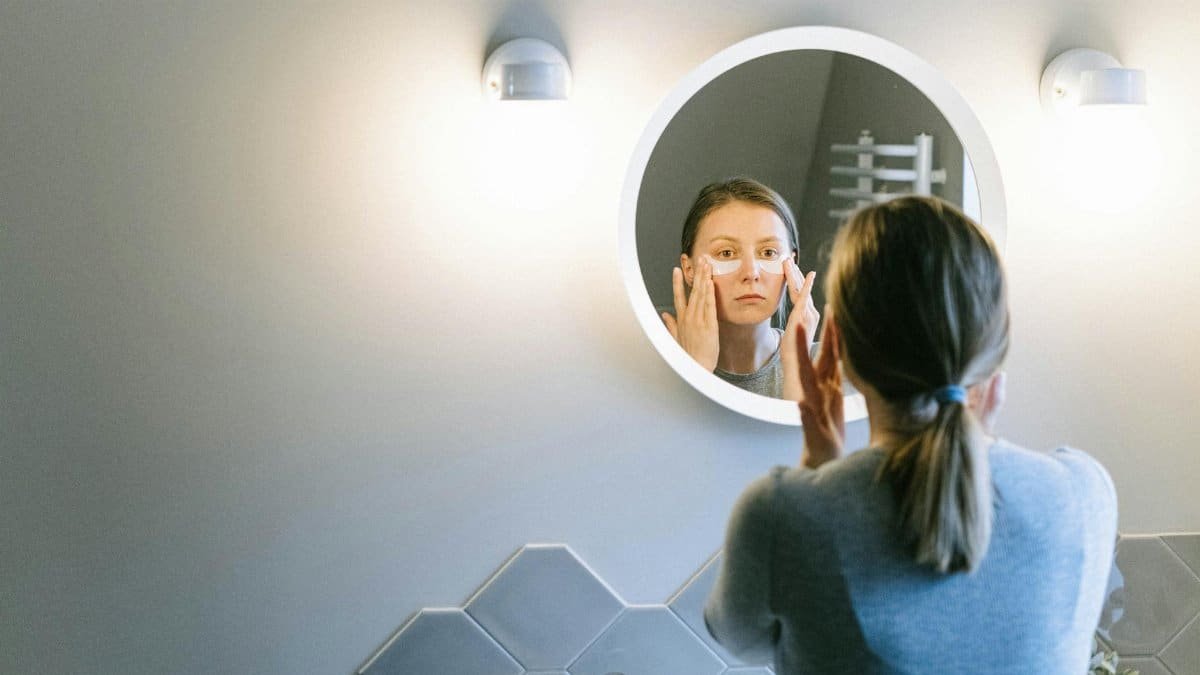
Many dodge healing self-love because staying numb seems easier. Therapists note that discomfort arises from unprocessed trauma surfacing. Data from the National Institute of Mental Health shows that avoidance coping is prevalent among 40% of adults dealing with stress. But experts warn that ignoring these feelings perpetuates cycles of self-doubt. In 2025, with rising therapy apps, more are confronting this, realizing that short-term pain yields long-term peace. It’s a shift from survival mode to thriving, though the transition bites.
Common Emotional Hurdles

Guilt, shame, and fear top the list of barriers in healing self-love. When people start affirming their worth, old narratives clash with new ones, creating internal conflict. A report by the American Psychological Association’s Journal of Abnormal Psychology details how these emotions spike during early self-healing stages. Americans, influenced by perfectionist ideals, often struggle here. Overcoming requires patience, as the brain rewires from criticism to kindness, making the process feel alien at first.
Physical Manifestations of Unease

Healing isn’t just mental, it shows up in the body too. Tension headaches, fatigue, or even digestive issues can flare as suppressed emotions release. Research from the National Institutes of Health links emotional healing to somatic responses, noting that 55% of participants in mindfulness studies reported physical discomfort initially. In a fast-paced U.S. society, these symptoms can mimic burnout, but they’re signals of progress. Listening to the body becomes key, turning discomfort into a guidepost for deeper self-love.
Role of Vulnerability in the Process

Embracing vulnerability is where healing self-love gets real, and uncomfortable. It means dropping defenses and risking emotional exposure. Brene Brown’s work, popularized in U.S. self-help circles, emphasizes this, with studies showing vulnerability practices boost resilience over time. Yet, the entry point feels scary, like stepping into unknown territory. In 2025, social media trends amplify this, with influencers sharing raw stories that normalize the struggle, encouraging others to push through.
Strategies to Navigate Initial Pain

To ease into healing self-love, start small with journaling or guided meditations. Experts recommend setting boundaries to protect energy during vulnerable phases. A Pew Research Center survey indicates that 62% of young adults find peer support groups helpful for managing discomfort. Building a routine, like daily affirmations, helps reframe the mind. Remember, discomfort signals change, not failure. In America’s evolving mental health landscape, these tools are more accessible than ever.
Long-Term Benefits That Make It Worthwhile

Once past the initial hurdle, healing self-love delivers profound rewards: better relationships, increased confidence, and reduced anxiety. Longitudinal studies from the University of California show participants reporting 30% higher life satisfaction after consistent practice. In the U.S., where mental health crises persist, this approach is gaining traction as a sustainable solution. The discomfort fades, replaced by empowerment, proving that true healing reshapes lives from the inside out.
When to Seek Professional Help

If discomfort turns overwhelming, professionals can guide the way. Therapists specializing in self-compassion therapies report high success rates. The CDC notes a 25% uptick in mental health service usage in 2025. Don’t go it alone if emotions intensify; support accelerates healing self-love without unnecessary suffering. This step ensures the process remains safe and effective.