

Is “feeling stuck” just a mental block, or something deeper? New insights reveal it’s often a signal from your emotions begging for peace, not action. In a fast-paced world, many Americans are turning to mindfulness practices to decode this stagnation. Emotions peace isn’t about ignoring the rut; it’s embracing it as a path to genuine progress. As experts note, forcing change can backfire, leading to more frustration.
Decoding the Stuck Sensation
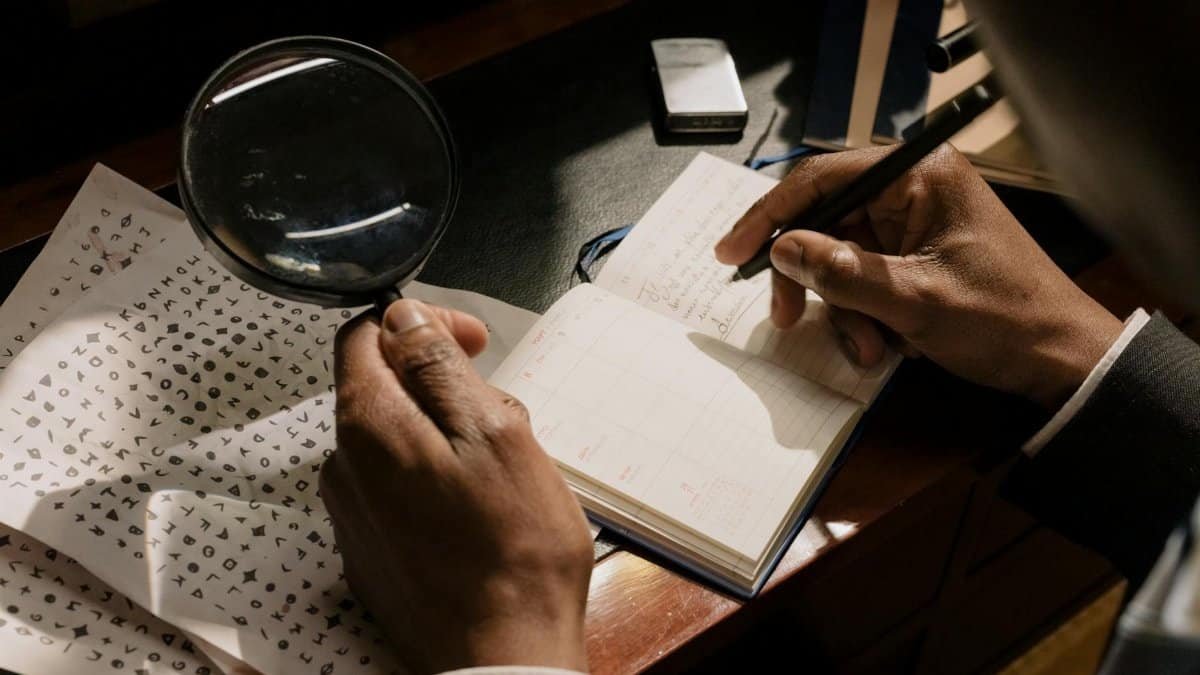
Feeling stuck hits hard for millions. It’s that nagging sense of being trapped in life, work, or relationships. Psychologists say it’s not laziness; it’s your brain’s way of protecting you from burnout. A study from the American Psychological Association highlights how chronic stress amplifies this feeling, affecting 40% of adults. By recognizing it as a call for emotions peace, you shift from resistance to understanding. This awareness is key to breaking free without self-sabotage.
The Myth of Forcing Progress

Pushing through stuck moments often leads to exhaustion. Experts warn that forcing action ignores underlying emotional needs. Instead, emotions peace comes from pausing. Research from Harvard’s mindfulness program shows that brief daily reflections reduce stress by 25%. It’s about allowing space for clarity, not bulldozing barriers. Real change happens when you align with your inner state, not against it.
Embracing Presence Over Push

Presence is the antidote to feeling stuck. Rather than rushing to fix things, sit with the discomfort. Therapists recommend journaling or meditation to foster this. A report by the National Institutes of Health links mindfulness to improved emotional regulation. In 2025, with rising mental health awareness, more people are adopting these tools for lasting peace.
Signs You’re Ready to Move
How do you know when stuckness is easing? Look for subtle shifts like renewed energy or fresh ideas. Emotions peace manifests as calm acceptance, paving the way for organic movement. Avoid timelines; let intuition guide. Coaches emphasize self-compassion here, drawing from cognitive behavioral techniques to reframe negative thoughts.
Practical Steps Without Force
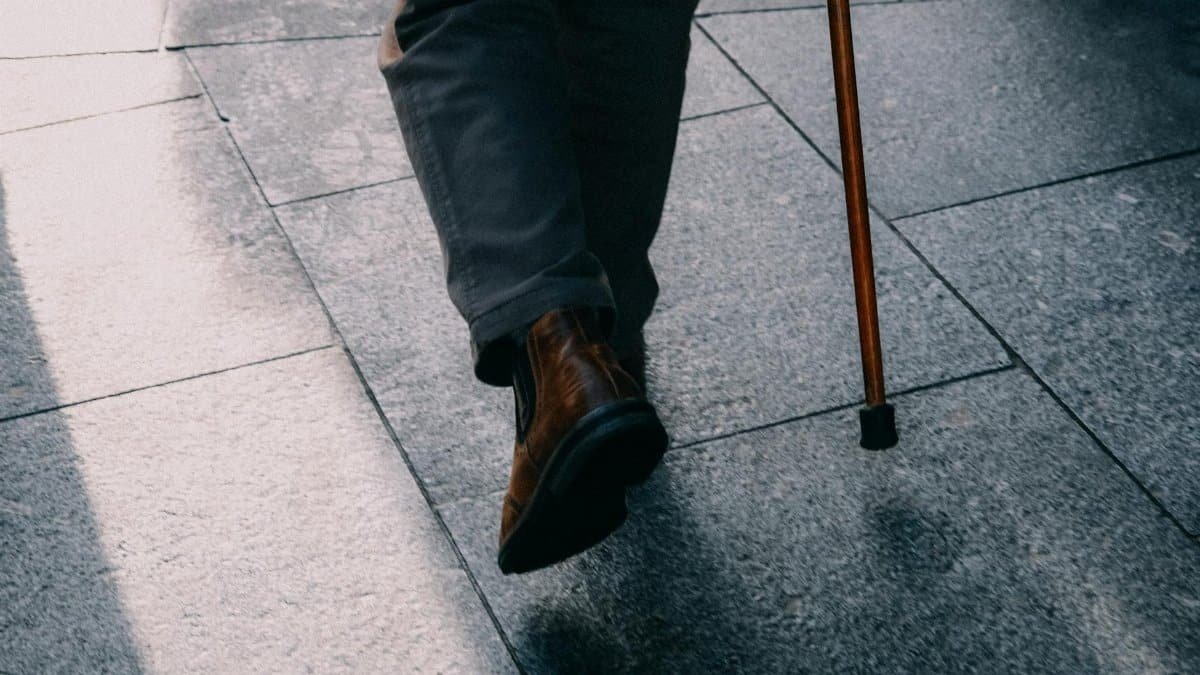
Start small: take a walk, breathe deeply, or talk to a friend. These acts build emotions peace by honoring your current state. Avoid grand plans that overwhelm. A survey from Pew Research Center finds 60% of Americans feel less stuck after incorporating routine breaks. Consistency matters more than intensity in 2025’s self-care trends.
The Role of Self-Compassion

Be kind to yourself amid stuckness. Self-compassion reduces self-criticism, fostering peace. Kristin Neff’s work at the University of Texas shows it boosts resilience. Practice affirmations or seek therapy. This approach transforms stagnation into a growth opportunity, aligning with broader U.S. wellness movements.
Real Stories of Breakthrough

Take Mark from Chicago, who felt trapped in his job. By prioritizing emotions peace through yoga, he found clarity to pivot careers. Similarly, a New York teacher shared how pausing helped her navigate burnout. These anecdotes, backed by data from the CDC, illustrate how non-forced movement leads to fulfillment.
Avoiding Common Pitfalls
Don’t confuse peace with inaction. It’s active listening to your emotions. Pitfalls include overthinking or seeking quick fixes. Experts advise setting boundaries to protect your peace. In today’s digital age, unplugging is crucial, as per findings from the American Psychological Association’s stress resources.
Building Long-Term Momentum

Once unstuck, maintain momentum with habits like gratitude journaling. This sustains emotions peace, preventing future ruts. A longitudinal study from the National Institutes of Health supports how consistent practices enhance well-being over time. In 2025, integrate these into daily life for enduring progress.
Why It Matters Now
In a post-pandemic era, feeling stuck is epidemic. Embracing emotions peace equips you to move authentically. It’s not just personal; it impacts productivity and relationships. As U.S. trends evolve, this mindset shift promises healthier lives, grounded in self-awareness rather than force.