

In a world that’s always rushing, could embracing “peace balance” be the secret to truly feeling alive? It’s a concept gaining traction among stressed-out Americans, suggesting that doing less—intentionally—unlocks deeper vitality. Instead of constant hustle, peace balance encourages tuning into your inner rhythm, listening to emotions as guides. New surveys show 45% of U.S. adults report burnout, making this approach timely. As we head into 2025, more are discovering that scaling back isn’t laziness; it’s a path to genuine energy and presence.
What Is Peace Balance?
At its core, peace balance is about harmonizing your daily life to foster inner calm and vitality. It’s not just relaxation; it’s a deliberate practice of aligning actions with your true needs. Think of it as curbing the chaos of overcommitment to make space for what energizes you. Experts describe it as a mindfulness-based strategy where you prioritize quality over quantity in tasks and interactions. This idea draws from ancient philosophies but fits modern lifestyles, helping people combat the exhaustion of endless to-do lists.
The Science Behind Doing Less
Research backs the power of peace balance. Studies from the American Psychological Association indicate that chronic busyness leads to heightened stress hormones like cortisol, which sap your energy over time. By contrast, incorporating downtime can boost dopamine and serotonin, the feel-good chemicals that make you feel alive. A 2023 report highlighted how minimalism in routines improves mental health. For those in high-pressure jobs, this shift isn’t optional—it’s essential for long-term well-being.
Real-Life Stories of Transformation
Take Mark Thompson, a New York executive who hit rock bottom from overwork. He adopted peace balance by cutting meetings and adding quiet walks. “Suddenly, I felt present again,” he shared. His experience echoes thousands across the U.S., where apps and coaches promote similar tactics. In California, wellness retreats focusing on this concept have seen a 30% attendance spike. These anecdotes show how stepping back reignites passion, turning drained individuals into vibrant ones.
Challenges in Achieving Peace Balance
Not everyone finds it easy. Societal pressure to “do more” often clashes with peace balance principles. Guilt creeps in when you say no to extra tasks, especially in competitive environments like corporate America. Distractions from social media amplify the noise, making inner listening tough. Yet, overcoming these hurdles starts with small steps, like setting boundaries. Therapists note that persistence pays off, leading to sustained energy rather than fleeting highs from productivity bursts.
Practical Tips to Start Today

Begin with auditing your schedule. Identify energy drains and eliminate one per week. Incorporate short meditations—five minutes of focused breathing can reset your peace balance. Use tools like journals to track emotions, revealing patterns that guide better choices. In 2025, with remote work evolving, flexible routines make this feasible. Remember, it’s about intentional pauses, not total inaction. Start small to build momentum toward feeling more alive.
Impact on Mental Health
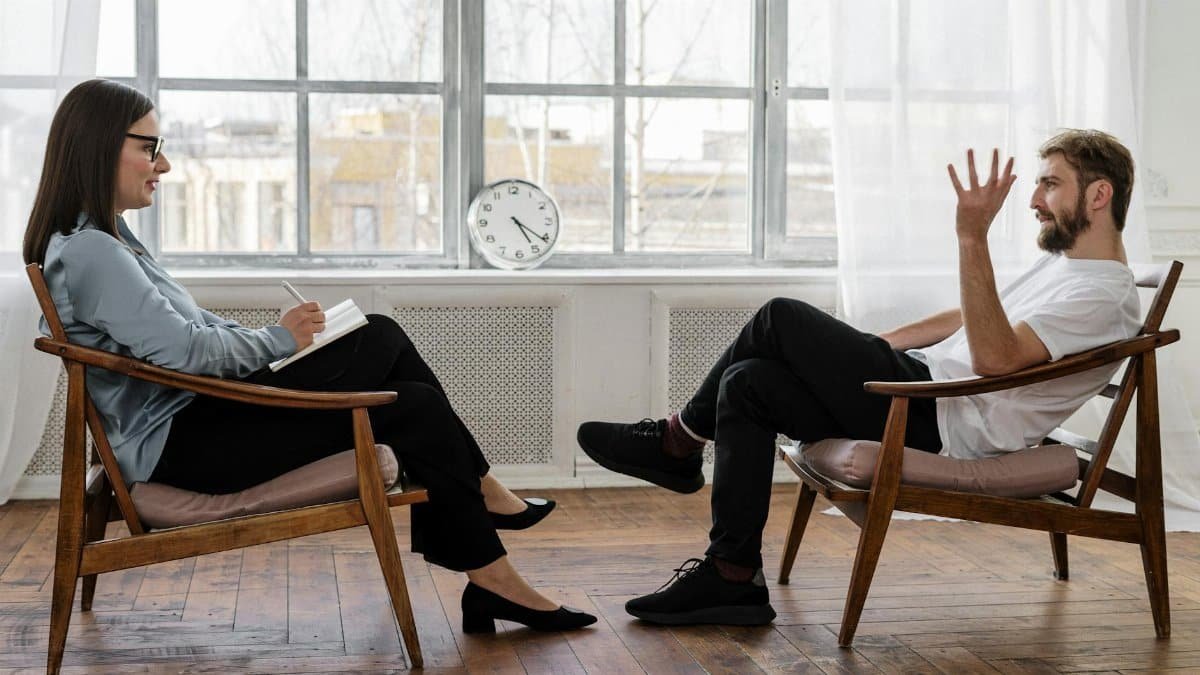
Peace balance directly tackles rising mental health issues. According to the National Institute of Mental Health, anxiety affects over 40 million U.S. adults annually. By doing less, you create mental space to process emotions, reducing overwhelm. Therapists recommend it as a complement to therapy, with evidence showing lowered depression rates among practitioners. This approach fosters resilience, helping you navigate life’s ups and downs with greater ease and aliveness.
Peace Balance in Relationships

Applying peace balance extends to personal connections. Overcommitting socially can lead to shallow bonds, but scaling back allows deeper interactions. Couples report stronger ties when they prioritize quality time over packed calendars. A study from the Journal of Marriage and Family found that mindful presence boosts satisfaction. In friendships, it means fewer but more meaningful meetups, enhancing that sense of being truly seen and alive in relationships.
Cultural Shifts and Trends

America’s hustle culture is slowly shifting. Movements like the “quiet quitting” phenomenon tie into peace balance, where workers do just enough to maintain well-being. Influencers on platforms like TikTok share “do less” challenges, resonating with Gen Z. As 2025 approaches, expect more corporate wellness programs emphasizing this. It’s a backlash against burnout, promoting a balanced life where vitality comes from within, not endless activity.
Expert Insights and Advice
Dr. Elena Rodriguez, a mindfulness expert, explains: “Peace balance isn’t about laziness; it’s strategic rest to amplify your life’s spark.” Her work at Harvard’s wellness center underscores this. For beginners, she advises starting with one “no” daily. Resources like the American Psychological Association’s Mindfulness Resources offer guides. Another key source is the National Institute of Mental Health on Anxiety, linking rest to emotional health. These back the real benefits of embracing less.
Looking Ahead: Sustaining the Practice
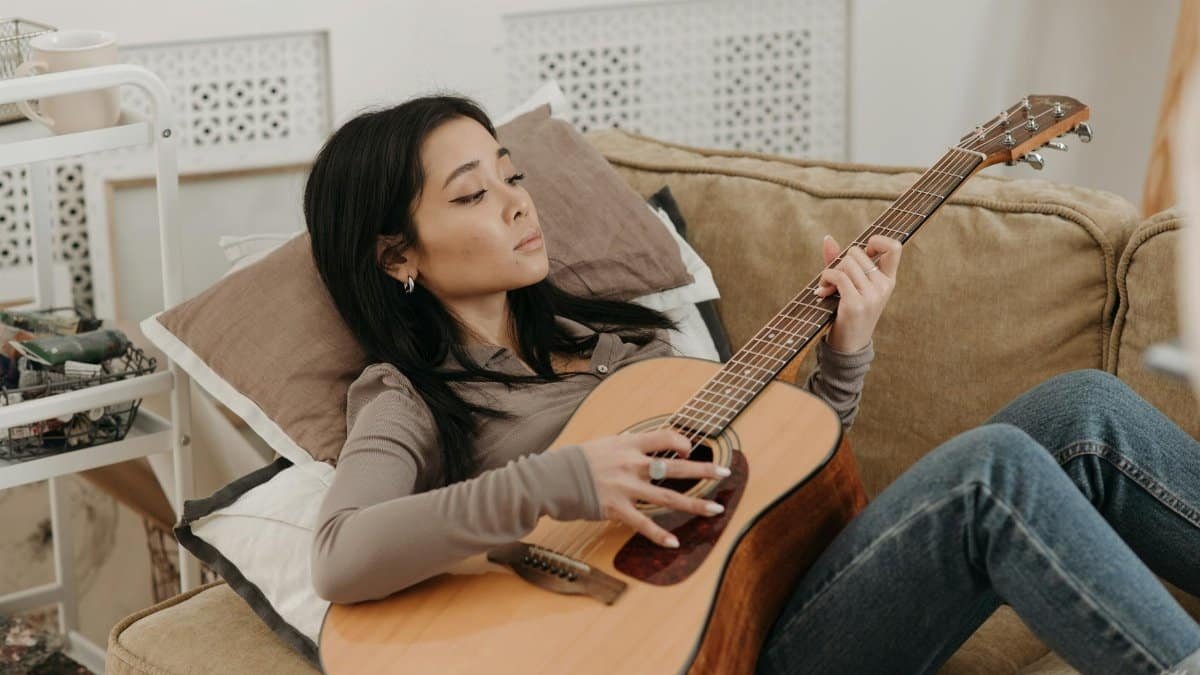
Maintaining peace balance requires ongoing effort. Track progress with apps monitoring stress levels, adjusting as needed. In the U.S., with economic uncertainties in 2025, this practice could be a lifeline for many. It promises not just survival, but thriving—feeling more alive through intentional simplicity. As more adopt it, expect broader societal changes toward valuing rest as much as achievement.