
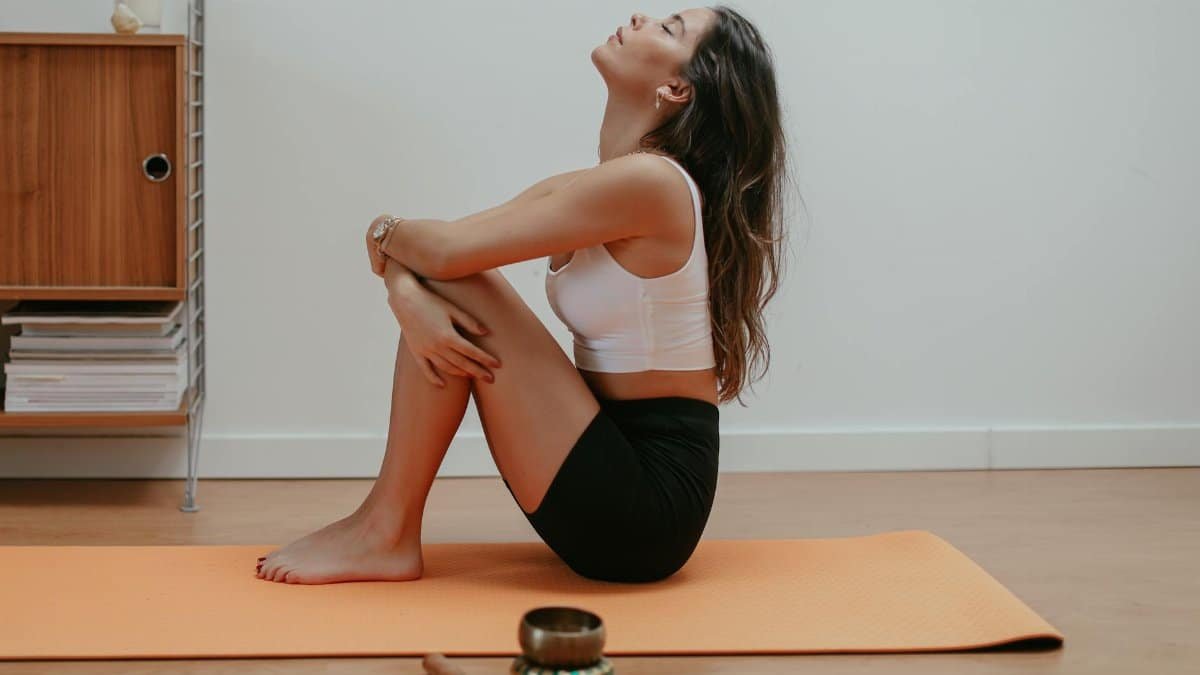
In a fast-paced world where distractions rule, breathwork focus healing is emerging as a game-changer for mental clarity. New data from a 2024 survey by the American Psychological Association reveals that 35% of U.S. adults report improved concentration after incorporating breathwork techniques into their routines. This mindful practice, blending controlled breathing with intentional focus, isn’t just trendy—it’s backed by science, helping people combat stress and restore balance. As more Americans turn to it amid rising burnout rates, breathwork focus healing offers a simple path to sharper minds and calmer days.
What Exactly Is Breathwork?

Breathwork involves deliberate breathing patterns to influence physical and mental states. At its core, it draws from ancient practices like pranayama in yoga, adapted for modern wellness. Unlike casual deep breaths, structured breathwork targets the autonomic nervous system, shifting from fight-or-flight to rest-and-digest modes. Experts say it promotes healing by reducing cortisol levels, the stress hormone that clouds focus. In the U.S., apps and classes have popularized it, making it accessible for beginners seeking quick mental resets.
The Science Behind Focus Restoration

Research shows breathwork activates the vagus nerve, enhancing brain function. A study from the University of California, published in the Journal of Neuroscience, found that rhythmic breathing improves attention spans by up to 20% in participants. This happens because controlled inhales and exhales increase oxygen flow to the prefrontal cortex, the brain’s command center for decision-making. For those battling digital overload, breathwork focus healing acts as a natural antidote, fostering neural pathways that support sustained concentration without relying on caffeine or meds.
Real-Life Benefits for Daily Life

Professionals in high-stress jobs are reaping rewards. Take office workers in New York City, where a 2025 wellness report notes rising adoption among tech employees. Breathwork sessions before meetings help sharpen focus, leading to better productivity. One executive shared in a Forbes interview that five minutes of box breathing—inhale for four, hold for four, exhale for four—transformed her chaotic mornings into focused power hours. It’s not just anecdotal; clinics report fewer anxiety-related visits among regular practitioners.
Common Techniques to Try

Start simple with the 4-7-8 method, popularized by Dr. Andrew Weil. Inhale for four seconds, hold for seven, exhale for eight. This calms the mind and heals scattered thoughts. Another option is alternate nostril breathing, which balances brain hemispheres for better focus. Apps like Calm guide users through these, with sessions as short as two minutes. In U.S. trends for 2025, virtual classes are booming, especially in urban areas hit hard by post-pandemic stress.
Challenges and How to Overcome Them

Not everyone nails breathwork on the first try. Dizziness from over-breathing or frustration from wandering minds are common hurdles. Experts advise starting slow, perhaps with a certified instructor to avoid pitfalls. A report from the National Institutes of Health emphasizes proper technique to prevent hyperventilation. Building a habit takes consistency—aim for daily practice, even if just during commutes. Over time, these challenges fade, revealing breathwork’s true healing power for focus.
Impact on Mental Health and Healing

Beyond focus, breathwork aids emotional recovery. Therapists integrate it for trauma healing, as it releases stored tension in the body. A 2023 study in the Journal of Psychiatric Research, linked via the American Psychological Association, showed participants with anxiety experienced 40% symptom reduction after eight weeks. In America, where mental health crises persist, this practice offers affordable, self-directed healing, complementing therapy without side effects.
Integrating Breathwork into Routines
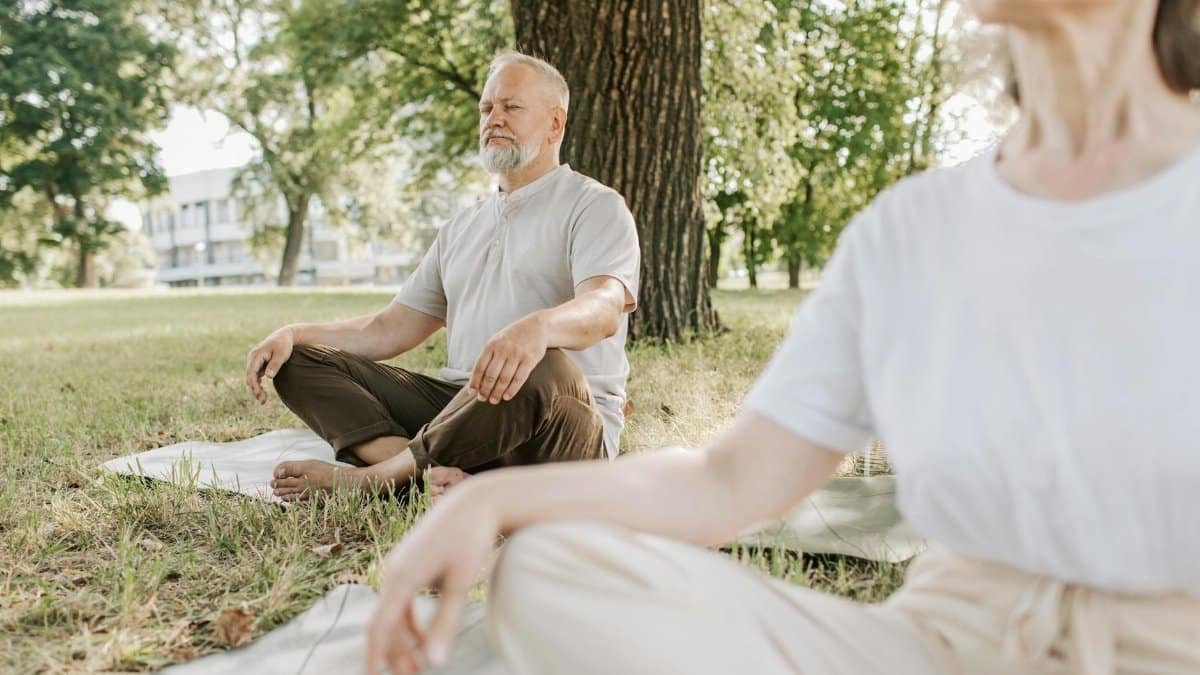
Make it seamless: Pair breathwork with morning coffee or evening wind-downs. Schools in California are even teaching it to students for better academic focus, per education reports. For remote workers, a midday session counters screen fatigue. Track progress with journals to note sharper attention or reduced overwhelm. As 2025 unfolds, experts predict wider adoption in corporate wellness programs, turning breathwork focus healing into a staple for balanced living.
Expert Tips for Maximum Results
Consistency beats intensity, says certified breathwork coach Mia Chen. Focus on posture—sit upright to allow full lung expansion. Combine with mindfulness for amplified effects, like visualizing goals during exhales. Avoid forcing breaths; listen to your body. Resources from Harvard Health Publishing recommend consulting doctors for those with respiratory issues. With these tweaks, users often report profound shifts in focus and overall well-being within weeks.
Why It’s Gaining Traction Now

Post-pandemic, Americans crave tools for resilience. Google Trends data shows searches for breathwork spiking 50% since 2023, driven by social media influencers and celebrity endorsements. Figures like Gwyneth Paltrow tout its healing benefits. In a nation facing attention economy woes, breathwork stands out as a free, effective fix. It’s not hype—it’s a practical response to modern chaos, empowering individuals to reclaim their mental edge.