
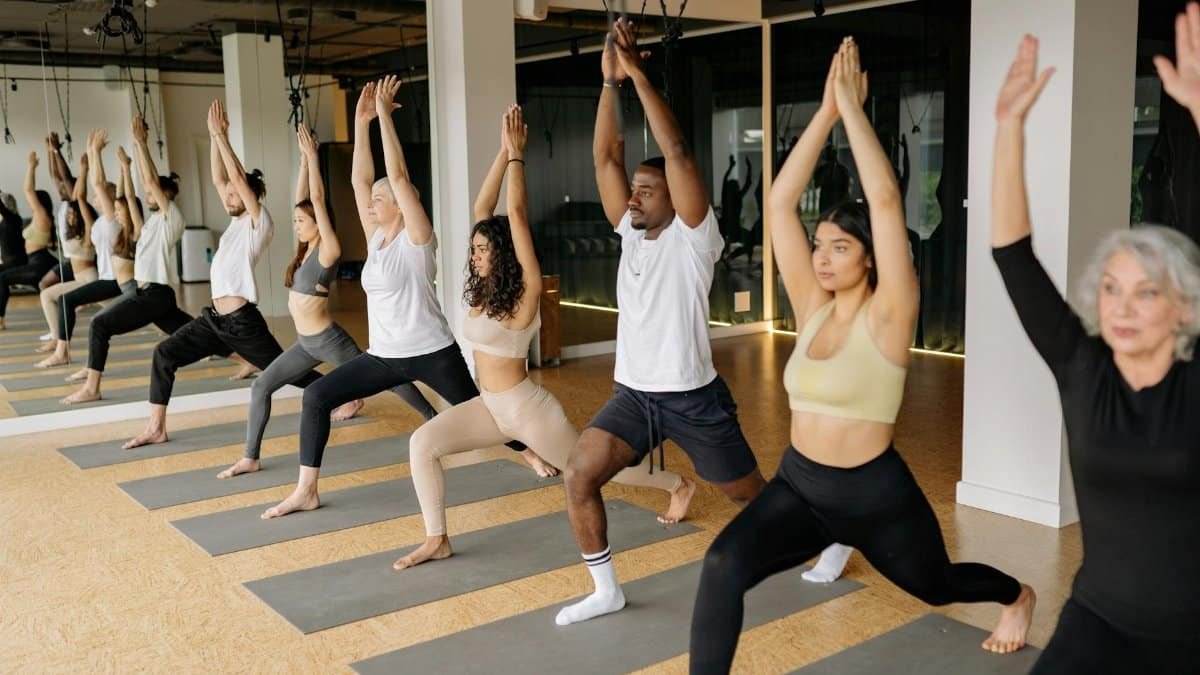
In a fast-paced world, mindfulness is emerging as a game-changer for communities across the U.S. New data from the American Psychological Association shows that 45% of Americans report improved mental health through mindfulness practices, fostering what experts call “calm healing resilience.” This isn’t just buzz—it’s reshaping neighborhoods, schools, and workplaces by building emotional strength amid daily stresses. From urban centers to rural towns, people are turning to these techniques to heal divides and boost collective well-being. As 2025 unfolds, this trend is gaining momentum, proving mindfulness isn’t a fad but a vital tool for transformation.
Roots in Ancient Practices
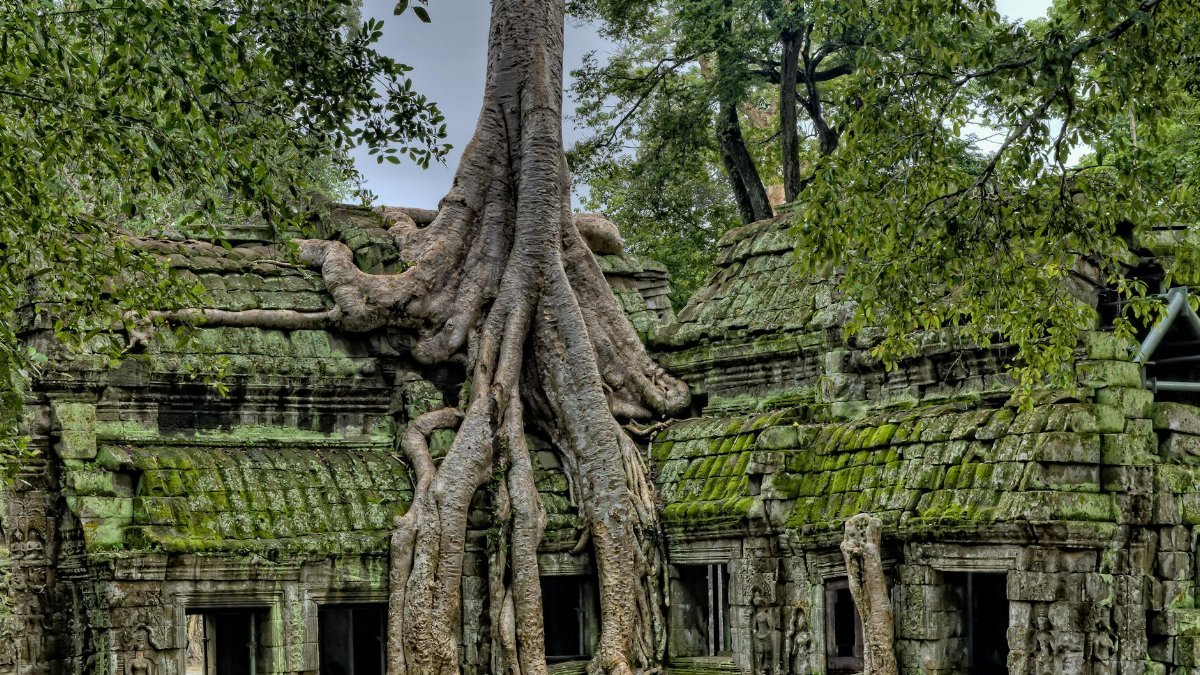
Mindfulness draws from centuries-old traditions like Buddhism and yoga, adapted for modern life. In the U.S., it’s exploded in popularity since the 1970s, thanks to pioneers like Jon Kabat-Zinn, who developed Mindfulness-Based Stress Reduction. Today, communities integrate these roots into programs that emphasize calm healing resilience, helping individuals process trauma and build inner peace. Schools in California, for instance, have adopted mindfulness curricula, reporting fewer behavioral issues among students.
Building Community Bonds
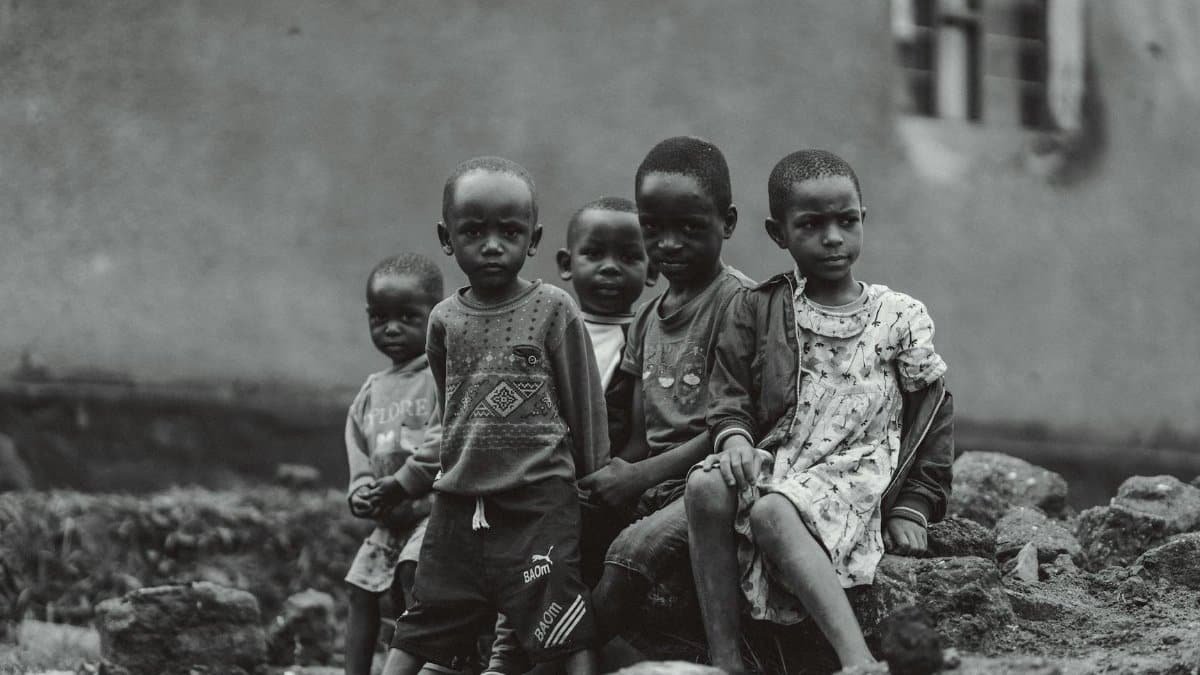
Across the nation, mindfulness initiatives are knitting communities tighter. In Detroit, neighborhood groups host free meditation sessions that bring diverse residents together, reducing isolation. Participants share stories of overcoming personal hardships, creating a ripple effect of empathy. A study from the American Psychological Association highlights how such practices enhance social cohesion, turning strangers into support networks. This communal approach fosters resilience, especially in areas hit hard by economic shifts.
Impact on Mental Health
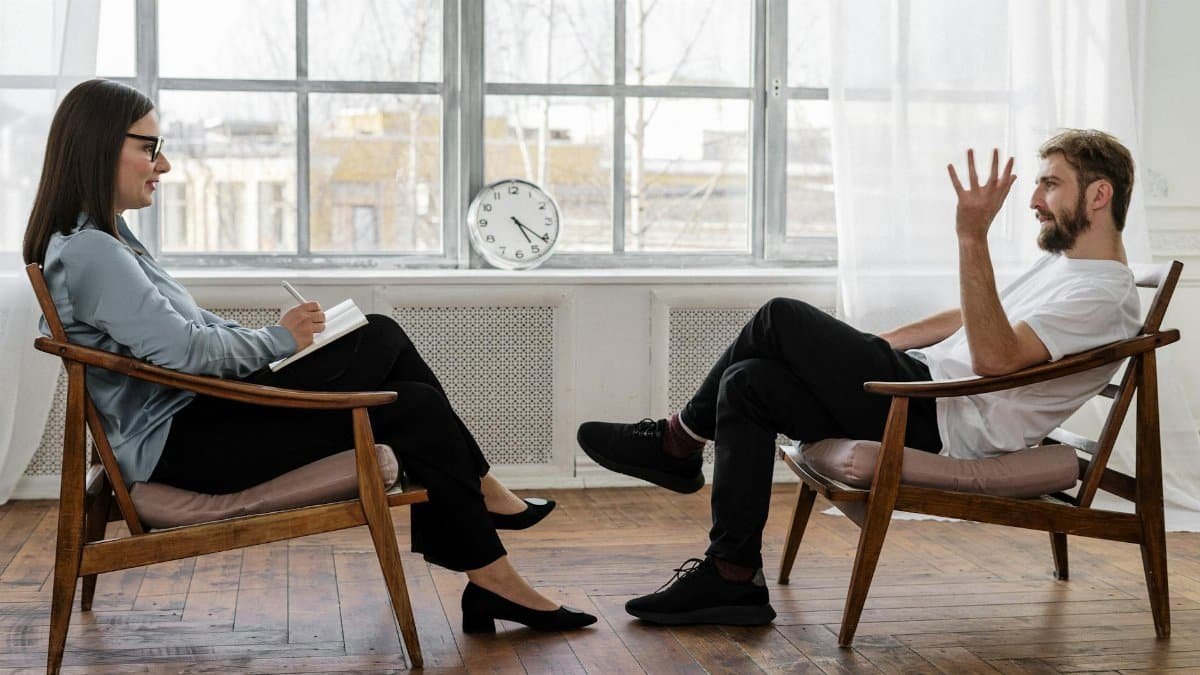
Mindfulness is proving its worth in tackling America’s mental health crisis. With anxiety rates soaring, programs focusing on calm healing resilience offer practical relief. Clinics in New York City report patients experiencing 30% less stress after regular sessions. Experts note that these methods rewire the brain for better emotional regulation, backed by research from the National Institutes of Health. Communities are seeing fewer crises as individuals learn to navigate challenges with poise.
Workplace Transformations
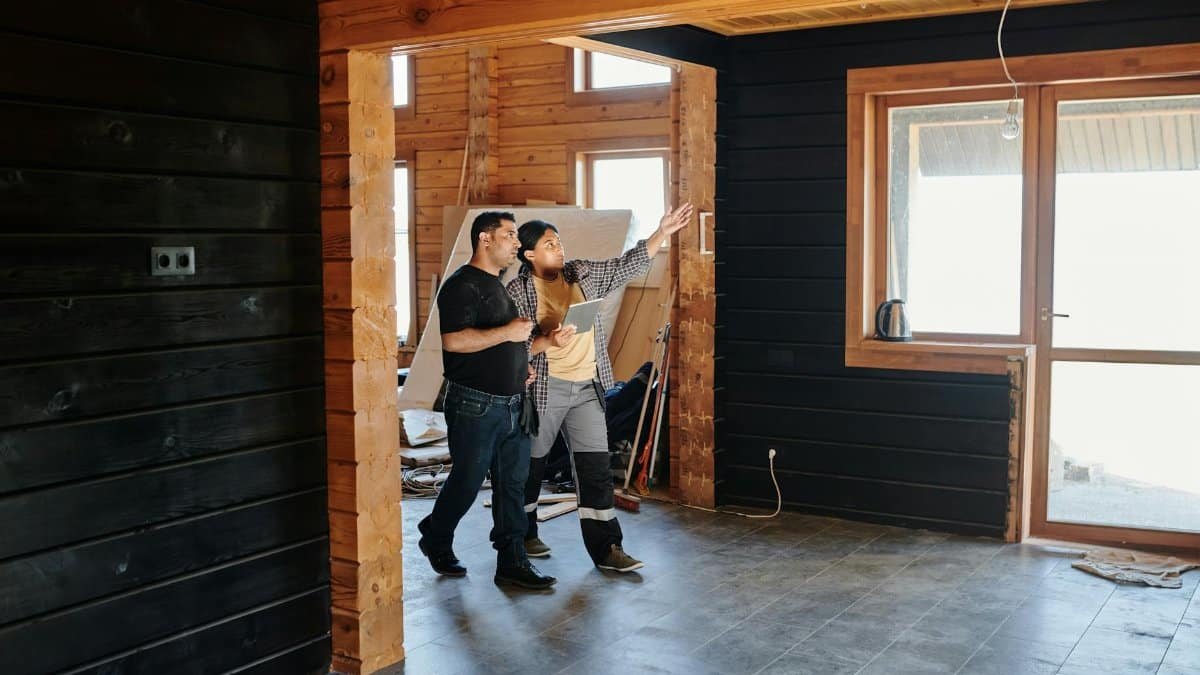
Corporations are jumping on the mindfulness bandwagon, transforming office cultures. Tech giants in Silicon Valley mandate mindfulness breaks, leading to higher productivity and lower burnout. Employees describe gaining calm healing resilience that helps them handle deadlines without crumbling. A Pew Research survey indicates 60% of workers feel more focused post-training. This shift is spreading to smaller businesses, making workplaces hubs for personal growth and team harmony.
Educational Shifts

Schools are embedding mindfulness into daily routines, revolutionizing learning environments. In Chicago public schools, morning meditations have cut disciplinary actions by 25%. Teachers observe students developing calm healing resilience, improving concentration and empathy. Programs like these, supported by data from educational research bodies, show long-term benefits in academic performance and emotional intelligence. As 2025 progresses, more districts are adopting these strategies to prepare kids for life’s ups and downs.
Healing Divided Neighborhoods

In polarized times, mindfulness acts as a bridge. Community centers in Atlanta run workshops where political opposites practice joint breathing exercises, easing tensions. Participants report breakthroughs in understanding, fostering healing. This approach builds resilience against societal rifts, with local leaders crediting it for reduced conflicts. Real-world examples abound, from post-election dialogues to neighborhood cleanups infused with mindful intent.
Challenges and Criticisms

Not everyone buys into mindfulness hype. Critics argue it’s oversold as a cure-all, ignoring systemic issues like poverty. Accessibility remains a hurdle in underserved areas, where resources are scarce. Yet, proponents counter that even basic practices yield results. Addressing these challenges head-on, organizations are working to make programs inclusive, ensuring calm healing resilience reaches all demographics.
Everyday Applications
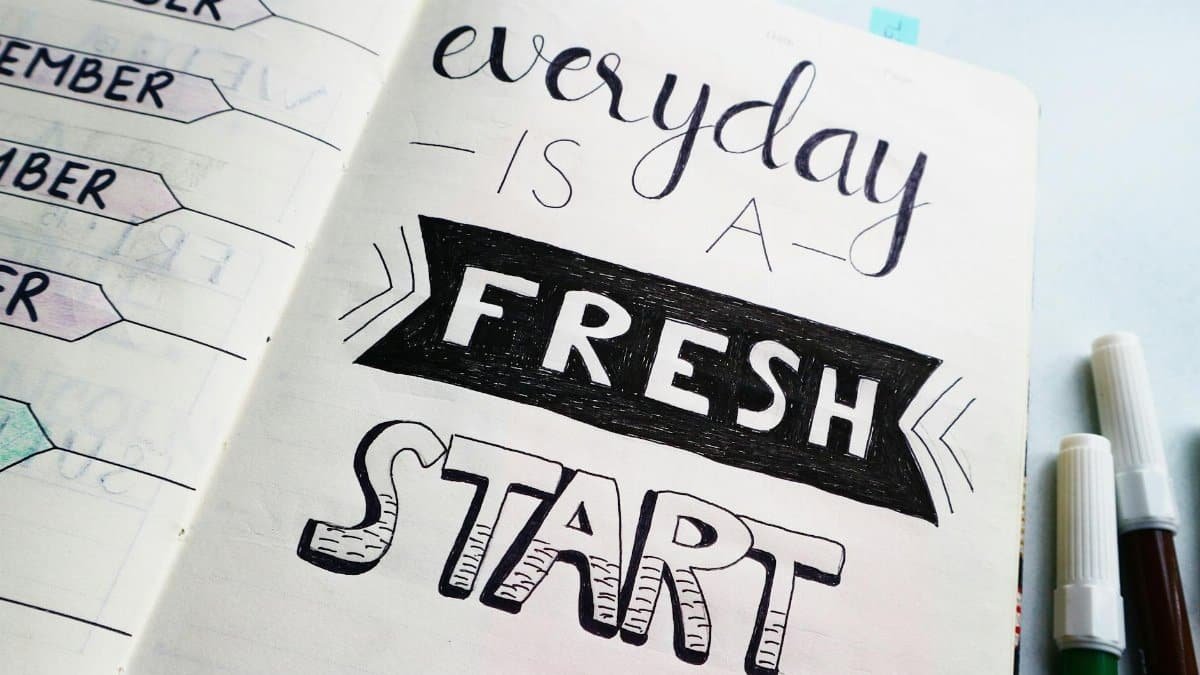
Getting started is simpler than you think. Daily habits like five-minute breathing exercises can cultivate mindfulness at home. Apps and online resources make it accessible, with communities forming virtual groups for support. In Boston, residents share tips via social media, amplifying the transformation. This grassroots level ensures the benefits of calm healing resilience spread widely, empowering individuals to contribute to broader change.
Future Prospects

Looking ahead, mindfulness could redefine U.S. communities by 2025 and beyond. With government grants funding more programs, experts predict widespread adoption. Innovations like AI-guided sessions are on the horizon, making practices even more tailored. As evidence mounts, this movement promises sustained healing and resilience, turning abstract concepts into tangible community strengths.