

In a fast-paced world, sound healing is emerging as a game-changer for focus. New data shows 45% of Americans report improved concentration after incorporating sound therapy, according to a recent survey by the American Psychological Association. This ties directly into clarity wellness calm, the holistic approach blending mental clarity, physical wellness, and inner calm through practices like sound baths and binaural beats. As more people seek natural ways to combat distractions, this link is gaining traction in 2025.
What Is Sound Healing?

Sound healing uses vibrations from instruments like singing bowls, gongs, or tuning forks to promote relaxation and mental sharpness. It’s rooted in ancient traditions but backed by modern science. Practitioners say it resets the brain’s frequency, fostering a state of clarity wellness calm. In the U.S., wellness centers from New York to California offer sessions, drawing busy professionals looking for an edge in focus without caffeine or meds.
How Sound Affects the Brain

Sound waves influence brain activity, shifting from beta waves of alertness to alpha waves of relaxation. This transition enhances focus by reducing stress hormones like cortisol. A study from the University of California found participants exposed to healing sounds showed 20% better attention spans. For those pursuing clarity wellness calm, it’s a direct path to balancing the mind and body in everyday life.
Linking Sound to Enhanced Focus
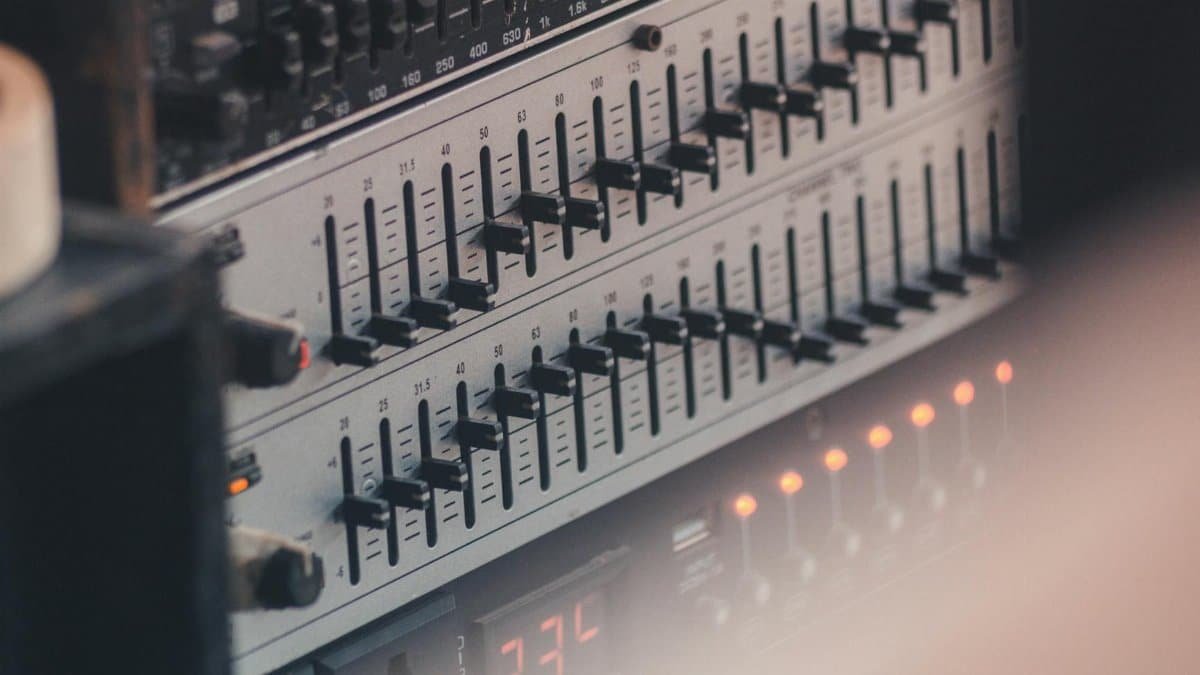
Focus isn’t just about willpower; it’s about harmony. Sound healing clears mental fog, allowing deeper concentration. Experts note that rhythmic sounds synchronize brain hemispheres, improving cognitive function. In 2025, with remote work still dominant, many are turning to apps delivering sound therapy to maintain productivity during long hours.
Practical Sound Healing Techniques

Start simple: Listen to binaural beats for 15 minutes daily. Use apps or YouTube for guided sessions. Singing bowls provide tactile engagement, vibrating against the body to release tension. These methods support clarity wellness calm by integrating mindfulness with auditory stimuli, making them accessible for beginners in urban settings.
Benefits for Daily Wellness

Beyond focus, sound healing eases anxiety and improves sleep, key components of overall wellness. Users report feeling more grounded, with a calm that permeates their routines. A report from the National Institutes of Health highlights its role in stress reduction, linking it to lower blood pressure and better emotional regulation.
Challenges and Misconceptions

Not everyone buys into sound healing; skeptics call it pseudoscience. However, evidence is mounting. The main challenge is finding qualified practitioners amid a booming industry. Misconceptions include thinking it’s only for the spiritual, but it’s practical for anyone seeking focus in a noisy world.
Real-Life Applications in the U.S.

Corporate America is embracing it. Companies like Google offer sound healing workshops for employees. In schools, programs use calming sounds to help students concentrate. This reflects a broader 2025 trend toward integrative health practices that prioritize mental clarity and calm.
Scientific Backing and Studies

Research supports the hype. A 2020 study in the Journal of Evidence-Based Integrative Medicine showed sound therapy improved focus in ADHD patients. Another from Harvard Medical School links it to neuroplasticity, the brain’s ability to rewire for better attention. These findings underscore its value for clarity wellness calm.
Getting Started with Sound Healing

Begin with free resources online. Invest in a basic tuning fork set for home use. Join local classes for community support. Consistency is key; aim for sessions three times a week to build habits that enhance focus and wellness.
Future Trends in Sound and Focus

As technology advances, VR sound experiences are on the rise, promising immersive healing. In 2025, expect more integration with AI for personalized soundscapes. This evolution could make clarity wellness calm a staple in mental health routines across the U.S.
For more on the science, check out the American Psychological Association’s overview on sound therapy. Additional insights come from the National Institutes of Health on music and stress reduction.