

Intro

New data shows 68% of U.S. teachers report chronic fatigue, according to a 2024 survey by the American Federation of Teachers. But breathwork mindfulness calm is emerging as a game-changer, helping educators recharge without fancy retreats or expensive apps. This simple practice combines controlled breathing with mindful awareness to foster inner peace and sustained energy. As classrooms grow more demanding in 2025, teachers are turning to these techniques to combat burnout and maintain focus. It’s not just hype—real results are showing up in schools nationwide.
Why Teachers Face Energy Slumps

Teaching isn’t getting easier. Long hours, endless grading, and emotional demands drain even the most dedicated educators. A report from the National Education Association highlights that over 50% of teachers experience high stress levels daily, leading to low energy and reduced performance. This exhaustion cycle affects lesson quality and personal well-being. Breathwork mindfulness calm steps in by addressing the root causes, like unchecked anxiety and poor recovery habits.
The Science Behind Breathwork

Breathwork isn’t woo-woo; it’s backed by research. Studies show deep breathing activates the parasympathetic nervous system, reducing cortisol and boosting energy. For instance, a 2023 study from Harvard Medical School found that just 10 minutes of breath-focused mindfulness lowered stress markers in participants. Teachers can use these methods to reset during breaks.Harvard Health Publishing details how such practices enhance calm and vitality.
Mindfulness Basics for Busy Educators
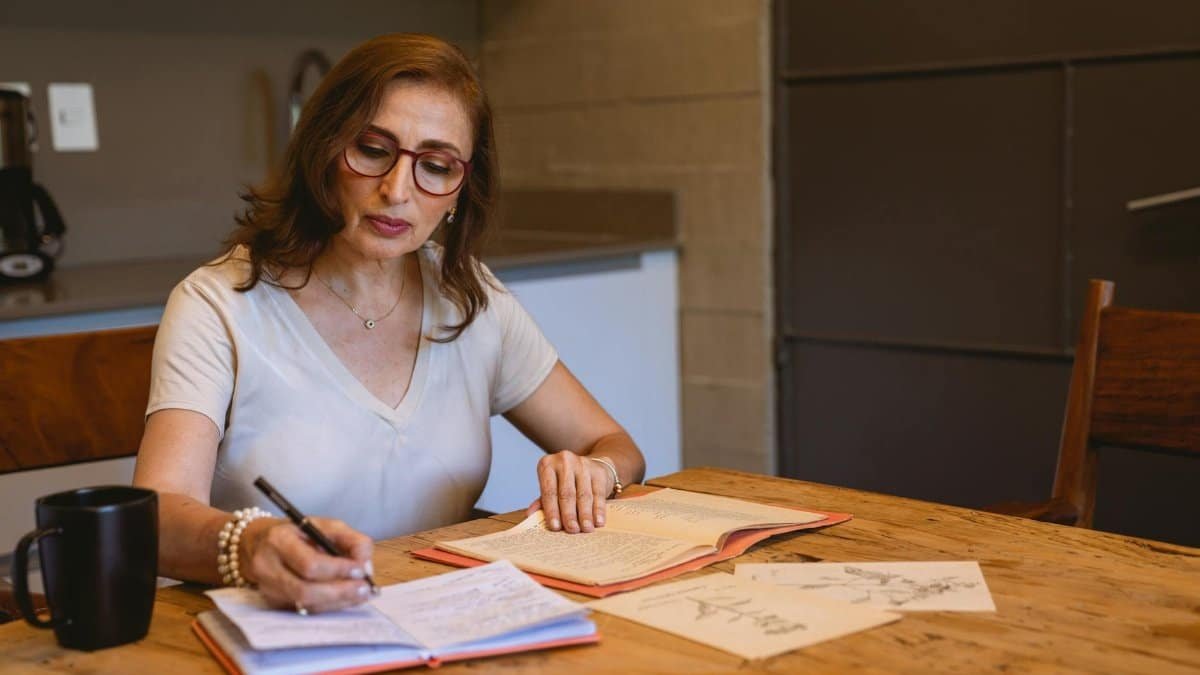
Mindfulness means staying present without judgment. For teachers, it starts with noticing thoughts during chaotic moments. Simple exercises, like a five-minute body scan, help regain control. Integrating breathwork mindfulness calm into routines builds resilience against daily pressures. Experts recommend starting small to avoid overwhelm, making it feasible amid packed schedules.
Practical Breathwork Techniques
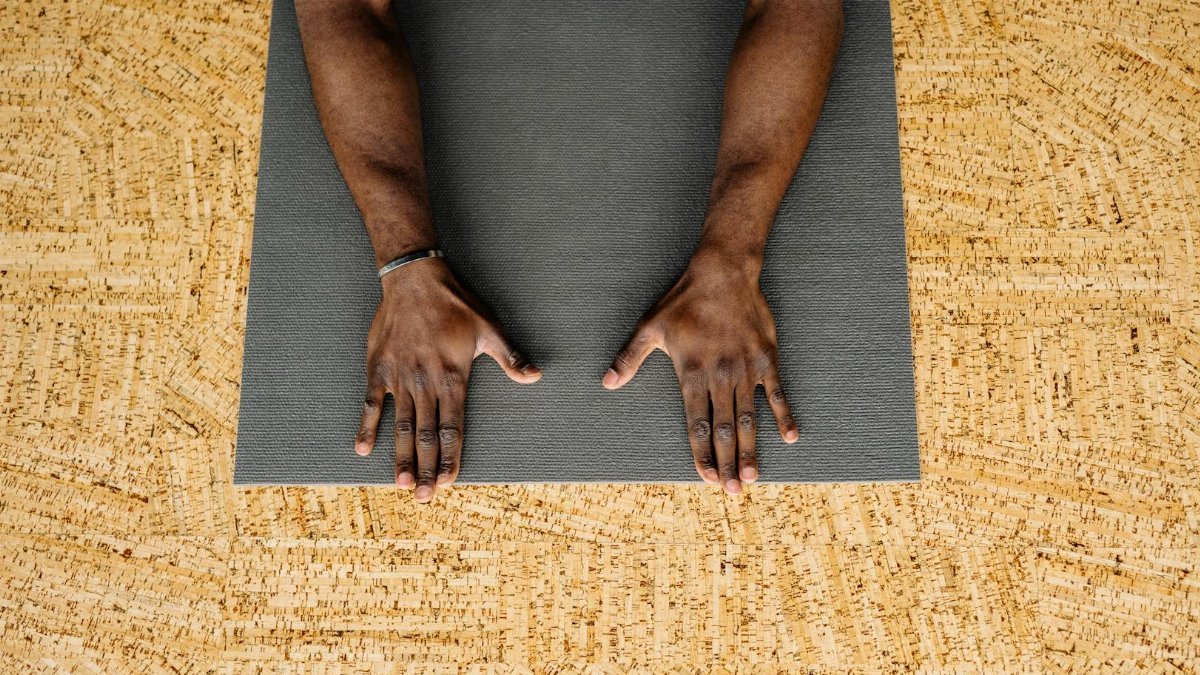
Try the 4-7-8 method: Inhale for four counts, hold for seven, exhale for eight. This technique, popularized by Dr. Andrew Weil, promotes instant calm. Teachers report using it before classes to shake off fatigue. Another option is box breathing, equal parts inhale, hold, exhale, hold. These tools fit into short breaks, helping maintain energy throughout the day.
Building Calm in the Classroom

Teachers aren’t just helping themselves; they’re modeling calm for students. Incorporating group breathwork sessions fosters a serene learning environment. A 2024 initiative in California schools showed improved focus among participants. By practicing breathwork mindfulness calm, educators create ripple effects, reducing overall classroom stress and enhancing engagement.
Overcoming Common Challenges

Not every teacher buys into mindfulness right away. Skepticism and time constraints are big hurdles. Start with evidence based approaches to build buy in. If distractions arise during practice, gently refocus on breath. Persistence pays off, as consistent use leads to noticeable energy boosts. Resources from the Centers for Disease Control and Prevention offer tips for managing work related fatigue through mindful habits.
Real Teacher Stories

Take Mark Thompson, a high school teacher in Texas. After adopting breathwork routines, he cut his fatigue by half, per his own tracking. “It changed how I show up for my kids,” he said. Similar accounts flood teacher forums, with many crediting these practices for surviving tough semesters. In 2025, more districts are offering workshops to spread the benefits.
Integrating Into Daily Routines

Morning breathwork sets a positive tone. Pair it with journaling for added mindfulness. During lunch, a quick session recharges for afternoon classes. Evening practices unwind the day, improving sleep quality. Teachers find that weaving breathwork mindfulness calm into habits sustains long term energy, turning exhaustion into steady vitality.
Measuring the Impact

How do you know it’s working? Track energy levels and mood weekly. Apps like Insight Timer provide guided sessions with progress logs. Research from the University of Wisconsin Madison supports that regular practice yields measurable calm and focus gains. As trends evolve in 2025, educators embracing these methods report higher job satisfaction and retention rates.
Next Steps for Teachers

Ready to start? Join online communities or local groups for support. Free resources abound, from YouTube tutorials to school sponsored programs. Commit to 10 minutes daily and watch low energy fade. Breathwork mindfulness calm isn’t a quick fix, but it’s a proven path to balanced, energized teaching.