

In a fast-paced world, sound healing is emerging as a game-changer for stress relief. New data from the National Center for Complementary and Integrative Health shows that over 18% of U.S. adults practiced some form of meditation in 2022, with sound-based techniques gaining traction. This approach taps into vibrations to foster wellness meditation calm, helping people unwind amid daily chaos. As more turn to holistic methods, sound healing promises a path to balance without pills or therapy sessions. But does it really work? Experts weigh in on its rising popularity.
What Is Sound Healing?

Sound healing uses instruments like singing bowls, gongs, or tuning forks to produce vibrations that resonate with the body. Rooted in ancient practices from Tibetan and Indian traditions, it aims to restore harmony. Practitioners claim these sounds shift brainwaves from beta to alpha states, promoting relaxation. In modern settings, sessions often last 30 to 60 minutes, guided by certified facilitators. It’s not just New Age fluff; science backs some benefits, linking it to reduced cortisol levels.
Linking Sound to Stress Relief
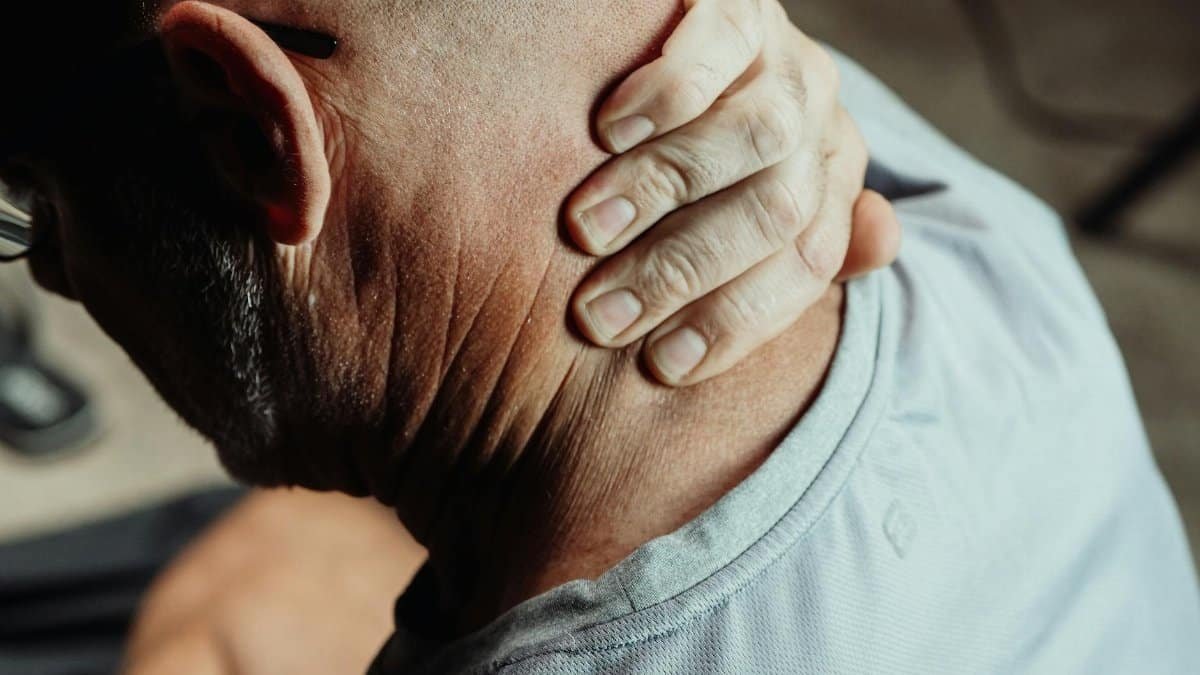
Stress plagues millions, leading to anxiety and burnout. Sound healing targets this by activating the parasympathetic nervous system, which counters the fight-or-flight response. A study from the University of California found participants experienced a 27% drop in stress after sound sessions. The rhythmic tones help release tension stored in muscles and the mind. For busy professionals, it’s a quick reset, fitting into lunch breaks or evening routines without much effort.
Wellness Meditation Calm Through Vibrations
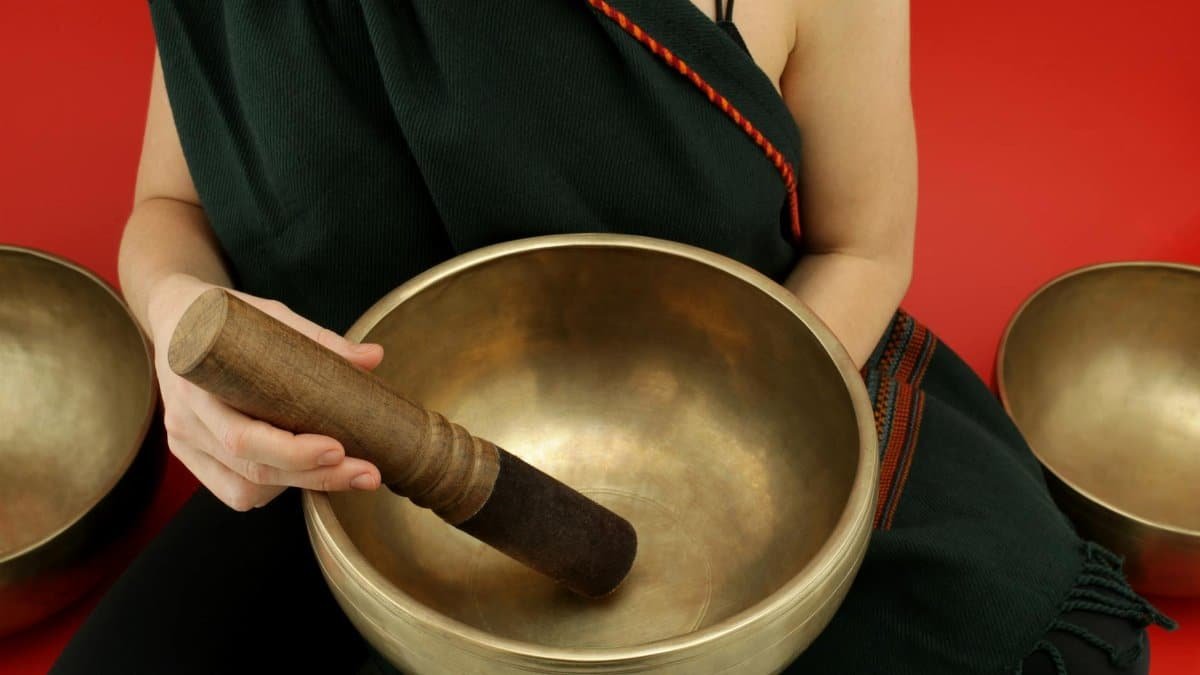
At its core, sound healing enhances wellness meditation calm by creating a meditative state. Users report deeper focus and emotional balance. Unlike silent meditation, which can feel intimidating for beginners, sound provides an anchor, making it easier to stay present. Apps and online classes now make it accessible, blending technology with tradition. In 2025, expect more workplaces to incorporate sound breaks for employee well-being.
Scientific Backing and Studies

Research supports sound healing’s efficacy. A 2019 review in the Journal of Evidence-Based Integrative Medicine highlighted its role in lowering blood pressure and improving sleep. Another study from Harvard Medical School explored how vibrations influence neural pathways, aiding mood regulation. For credible insights, check the National Center for Complementary and Integrative Health on meditation benefits. Additionally, the PubMed Central article on sound therapy details physiological impacts.
Practical Ways to Get Started

Starting sound healing is straightforward. Begin with free YouTube videos featuring binaural beats or crystal bowl sessions. Invest in a basic tuning fork set for under $50. Join local workshops or apps like Insight Timer for guided experiences. Consistency matters; aim for 10 minutes daily. Pair it with breathwork to amplify effects, building a routine that supports long-term calm.
Common Challenges and Solutions

Not everyone vibes with sound healing right away. Some find the noises jarring or struggle to relax. Start slow with softer tones like chimes. Skeptics question its placebo effect, but personal trials often convert them. If distractions arise, use headphones in a quiet space. Professionals recommend combining it with journaling to track progress and overcome mental blocks.
Impact on Daily Life

Integrating sound healing transforms routines. Parents use it to unwind after chaotic days, reporting better patience. Athletes incorporate it for recovery, noting faster muscle relaxation. In urban areas, studios are popping up, making it a social activity too. As remote work persists in 2025, virtual sound baths offer communal relief, fostering connections amid isolation.
Expert Opinions and Trends

Dr. Lisa Miller, a psychologist at Columbia University, notes, “Sound healing bridges ancient wisdom with modern neuroscience.” Trends show a surge in hybrid practices, mixing sound with yoga or aromatherapy. The wellness industry, valued at $4.5 trillion globally, sees sound as a key player. Look for innovations like AI-generated soundscapes tailored to individual stress profiles.
Potential Drawbacks to Consider
While promising, sound healing isn’t a cure-all. Those with hearing sensitivities might find it overwhelming. It’s not regulated, so choose reputable providers. Overreliance could mask underlying issues; consult doctors for serious stress. Costs add up for premium sessions, though DIY options keep it affordable.
Future of Sound Healing in Wellness

As awareness grows, sound healing could mainstream further. Schools might adopt it for student focus, and hospitals for patient recovery. In 2025, research may solidify its place in preventive health. For those seeking wellness meditation calm, it’s a tool worth exploring, blending simplicity with profound effects.