

In a fast-paced world where stress levels are skyrocketing, new data shows that 70% of Americans report improved emotional regulation after incorporating mindfulness practices, according to a recent survey by the American Psychological Association. This surge highlights how focus clarity meditation—a targeted technique blending breathwork and mindful awareness—is becoming a go-to tool for restoring balance amid daily chaos. From busy professionals to overwhelmed parents, it’s reshaping mental health strategies in 2025, offering a simple path to calm without the need for apps or gadgets.
What Is Focus Clarity Meditation?
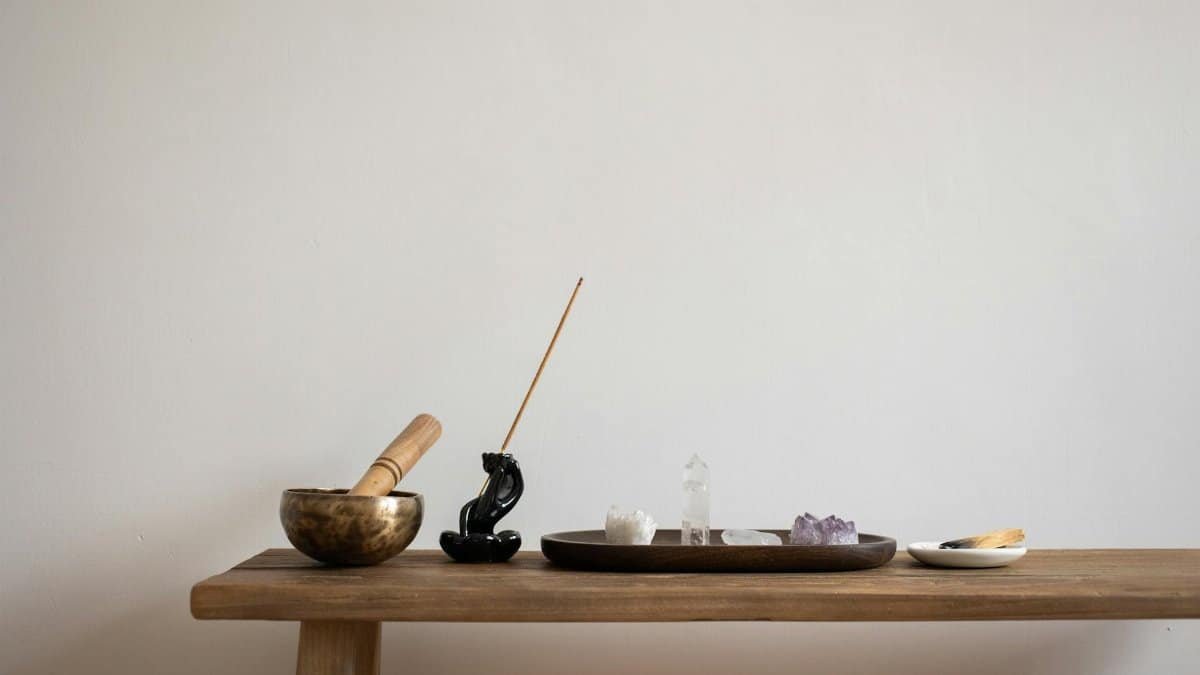
Focus clarity meditation centers on honing attention to achieve mental sharpness and emotional steadiness. Unlike general mindfulness, it emphasizes directed breathing and visualization to clear mental fog. Practitioners often start with just five minutes a day, focusing on a single point like the breath to filter out distractions. This method draws from ancient traditions but fits modern life, helping users regain control over racing thoughts. Research from the National Institutes of Health supports its role in reducing anxiety by promoting neural pathways for calm.NIMH Anxiety Disorders Overview.
The Science Behind Emotional Restoration

Mindfulness practices like focus clarity meditation work by altering brain activity in regions tied to emotion. Studies show they decrease activity in the amygdala, the brain’s fear center, while boosting the prefrontal cortex for better decision-making. A 2023 meta-analysis in the Journal of the American Medical Association found participants experienced a 25% drop in stress hormones after consistent sessions. In 2025, with rising burnout rates, this science-backed approach is gaining traction in U.S. workplaces, where companies are integrating it into wellness programs to combat employee fatigue.
Daily Practices for Immediate Balance
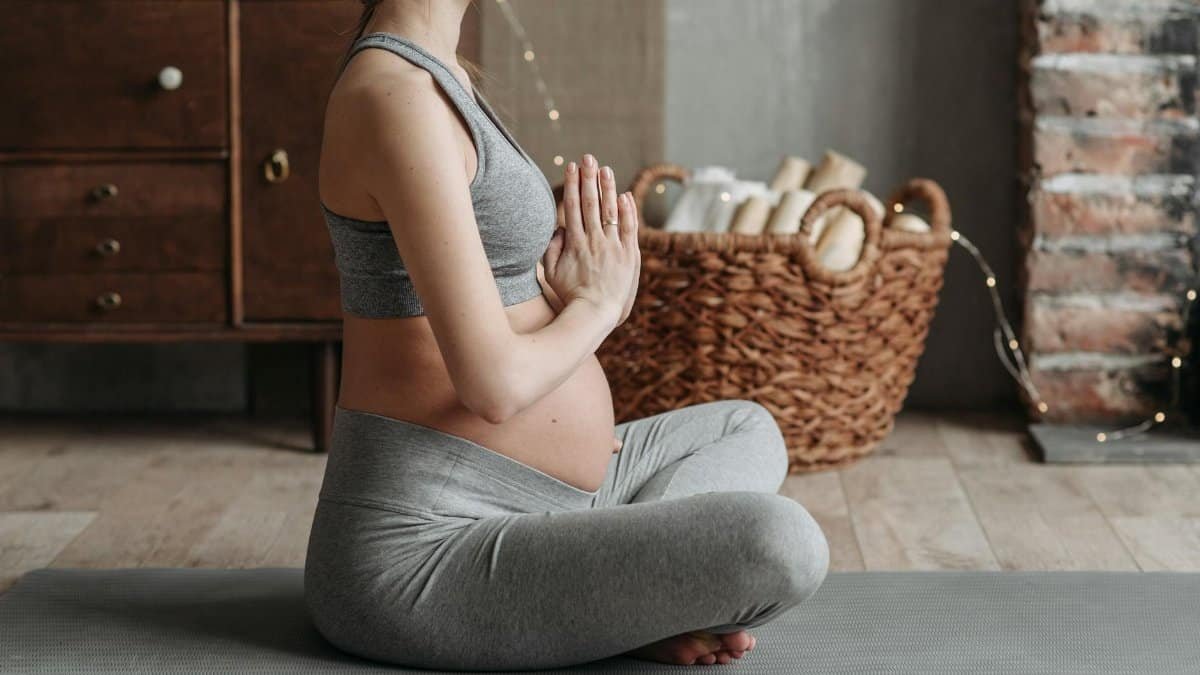
Starting small is key. Begin with a morning routine: Sit quietly, inhale deeply for four counts, hold, then exhale slowly while visualizing clarity washing over your mind. This core exercise in focus clarity meditation can reset emotions before the day ramps up. Experts recommend pairing it with journaling to track mood shifts. For those new to it, apps aren’t necessary; a quiet corner suffices. Consistent practice, even 10 minutes daily, builds resilience against emotional upheavals like work stress or family tensions.
Overcoming Common Hurdles

Not everyone finds mindfulness easy at first. Distractions, impatience, or skepticism often block progress in focus clarity meditation. To counter this, set realistic goals and use anchors like a candle flame to maintain focus. A study from Harvard Medical School notes that beginners who persist for two weeks see significant improvements in emotional stability.Harvard Medical School Mindfulness and the Brain. In bustling U.S. cities like New York, where noise is constant, practitioners adapt by incorporating earplugs or guided audio for better results.
Impact on Relationships and Social Life

Emotional balance from mindfulness extends beyond the individual. By fostering empathy and reducing reactivity, focus clarity meditation helps in conflicts, leading to healthier interactions. Couples report fewer arguments after joint sessions, as per findings from the Greater Good Science Center at UC Berkeley. In 2025, with social isolation still a concern post-pandemic, this practice is being promoted in community groups to rebuild connections. It encourages active listening, turning heated discussions into constructive dialogues and strengthening bonds in personal and professional spheres.
Integration with Physical Health

Mindfulness isn’t just mental; it ties into bodily well-being. Focus clarity meditation lowers blood pressure and improves sleep quality, according to CDC data on stress management. Regular practitioners experience fewer headaches and better immune function, making it a holistic tool for emotional restoration. In the U.S., where chronic stress affects over 40% of adults, combining it with light exercise like walking amplifies benefits. This synergy supports long-term health, reducing reliance on medication for anxiety-related issues.
Real-World Success Stories

Take Mark Thompson, a Chicago-based teacher who battled burnout. After adopting focus clarity meditation, he regained focus during chaotic school days, reporting a 40% improvement in his mood stability. Similar tales emerge from corporate America, where executives use it to navigate high-stakes meetings. A Pew Research Center survey underscores this trend, with 55% of remote workers crediting mindfulness for better work-life balance in 2025. These anecdotes highlight its practical edge in restoring emotional equilibrium amid everyday pressures.
Potential Drawbacks and Precautions

While effective, mindfulness isn’t a cure-all. Some may feel initial discomfort as suppressed emotions surface during focus clarity meditation. Experts advise consulting a therapist if underlying issues like trauma are involved. The American Psychiatric Association warns against over-reliance, emphasizing it’s a complement to professional care. In diverse U.S. populations, cultural adaptations ensure accessibility, but starting slowly prevents overwhelm. Balancing it with other self-care routines maximizes its restorative power without pitfalls.
Future Trends in Mindful Practices

As 2025 unfolds, focus clarity meditation is evolving with tech integrations like VR-guided sessions, making it more engaging for younger demographics. U.S. health organizations predict a boom in workplace adoption, driven by evidence of productivity gains. With ongoing research from institutions like Stanford, expect refined techniques tailored to specific emotional challenges. This progression promises broader access, helping more Americans achieve lasting balance in an increasingly demanding world.
Getting Started Today

Ready to restore emotional balance? Find a comfortable spot, set a timer for five minutes, and focus on your breath. Resources from reputable sites offer free guides to build your practice. Consistency is crucial; track progress weekly to see shifts in clarity and calm. By weaving mindfulness into your routine, you’ll tap into a powerful tool for navigating life’s ups and downs with greater ease.