
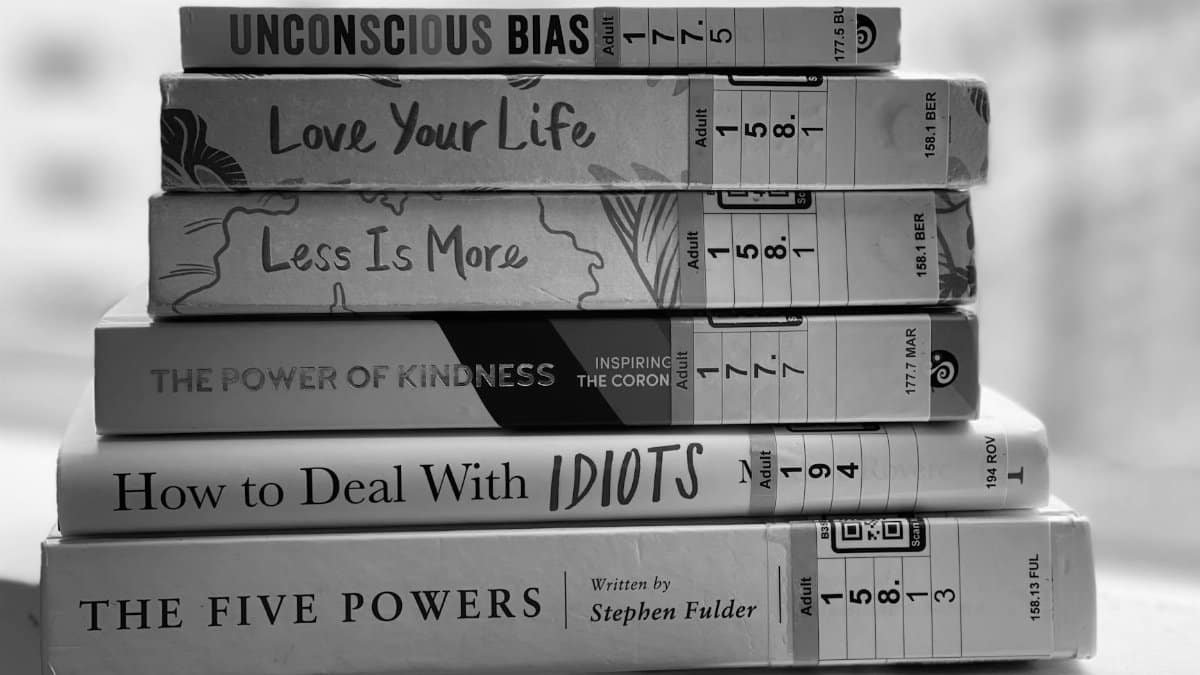
In a fast-paced world, many are turning to self-inquiry as a game-changer for mental clarity. New data shows that 40% of Americans report improved concentration after adopting mindfulness practices, according to a recent survey by the American Psychological Association. This healing resilience focus is not just buzz—it’s a practical approach to rebuilding inner strength amid daily stresses. By questioning thoughts and emotions, individuals foster resilience, leading to sharper focus and emotional balance. As wellness trends evolve in 2025, self-inquiry stands out for its simplicity and effectiveness.
What Is Self-Inquiry?

Self-inquiry boils down to asking probing questions about one’s thoughts and feelings. Rooted in ancient philosophies like those from Ramana Maharshi, it encourages people to explore the “I” behind their experiences. This method cuts through mental clutter, promoting a healing resilience focus that rebuilds emotional stamina. In today’s high-stress environment, it’s gaining traction as a tool for personal growth. Experts say it helps dismantle negative patterns, paving the way for sustained attention and calm.
The Science Behind It

Research backs the power of self-inquiry. Studies show mindfulness-based practices, including self-questioning, reduce activity in the brain’s default mode network, which is linked to mind-wandering. A 2023 study from Harvard Medical School found participants experienced a 25% boost in focus after regular sessions. This ties into healing resilience focus by enhancing neural pathways for emotional regulation. As mental health awareness rises in 2025, such findings underscore its role in combating burnout.
For more details, check the Harvard Medical School’s mindfulness research page.
Daily Practices to Start
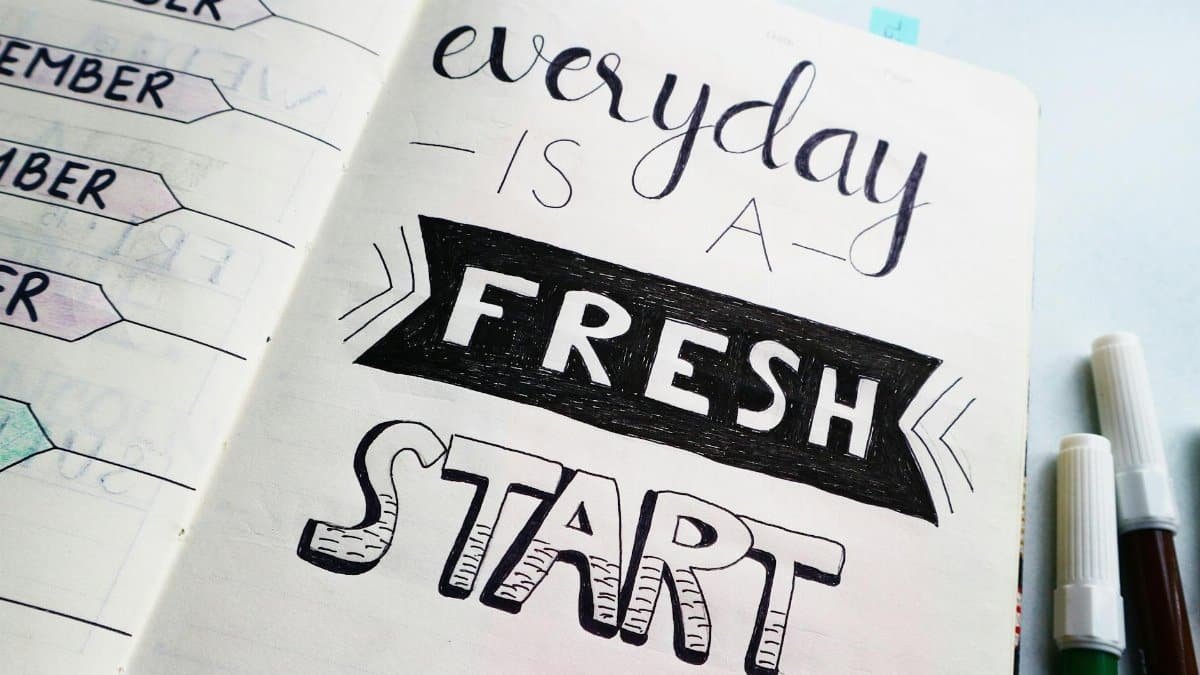
Begin with simple questions like “Who am I?” or “What is this emotion?” Set aside 10 minutes each morning for reflection. Journaling amplifies the process, tracking insights and progress. This builds a healing resilience focus, turning fleeting thoughts into opportunities for growth. Consistency is key; even short sessions yield results over time. Many report feeling more grounded within weeks, making it accessible for busy schedules.
Overcoming Common Obstacles

Doubt often creeps in during self-inquiry. People struggle with persistent thoughts or fear of uncomfortable truths. To counter this, start small and be patient. Guidance from apps or books can help. A Pew Research Center report notes that 55% of adults face mental health challenges, yet resilience-building tools like this offer relief. Embracing discomfort fosters true healing, leading to restored focus and inner peace.
See the full report at Pew Research Center’s mental health page.
Impact on Work and Productivity

In professional settings, self-inquiry sharpens decision-making. Employees using it report fewer distractions and higher output. Companies like Google incorporate similar mindfulness programs, seeing productivity gains. This healing resilience focus equips workers to handle pressure, reducing errors and boosting creativity. With remote work persisting in 2025, such practices are vital for maintaining work-life balance and preventing fatigue.
Emotional Benefits Explored

Beyond focus, self-inquiry heals emotional wounds. It uncovers root causes of anxiety or anger, promoting forgiveness and acceptance. Therapists often recommend it alongside counseling for deeper recovery. Users describe a sense of liberation, as resilience grows from understanding personal narratives. In a time of widespread stress, this approach offers a path to emotional stability and renewed vigor.
Integrating with Other Wellness Habits

Pair self-inquiry with exercise or meditation for amplified effects. Yoga sessions, for instance, provide a physical anchor for mental exploration. Nutrition also plays a role; balanced diets support brain health, enhancing focus. This holistic healing resilience focus creates a robust framework for well-being. Communities online share success stories, inspiring others to blend these elements effectively.
Real-World Examples
Take tech executive Mark Thompson, who credits self-inquiry for overcoming burnout. After daily practice, he regained laser-sharp focus, leading his team to innovative breakthroughs. Similarly, teacher Elena Ruiz used it to manage classroom stress, improving her teaching and student interactions. These cases highlight how the method translates to everyday victories, reinforcing its value in diverse lives.
Potential Drawbacks to Consider

Not everyone thrives immediately with self-inquiry. Some find it introspective to a fault, stirring up unresolved issues without quick resolution. Professional support is advised for those with trauma histories. Despite this, the overall benefits outweigh risks for most, as evidenced by growing adoption rates in wellness circles.
Looking Ahead in Practice

As 2025 unfolds, self-inquiry is poised to influence broader mental health strategies. With apps and workshops proliferating, access is easier than ever. Embracing this healing resilience focus could redefine personal development, offering tools for sustained focus and resilience in an unpredictable world. Start today, and witness the transformation firsthand.