
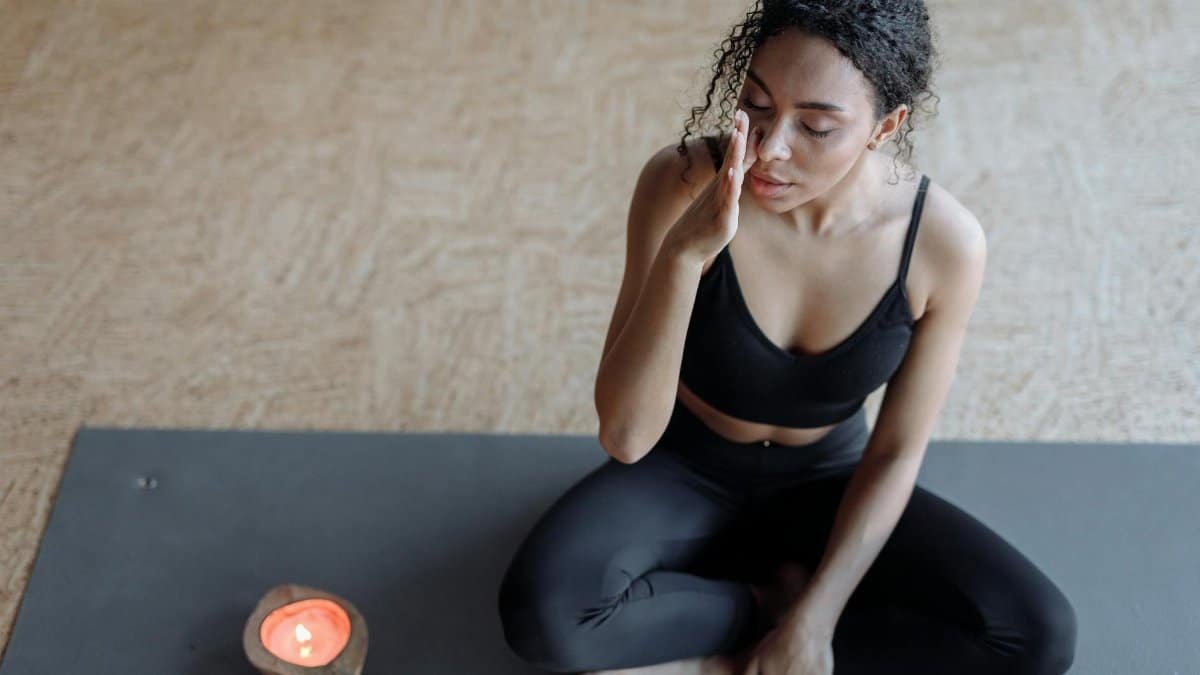
In a fast-paced world, more Americans are turning to breathwork to sharpen their mental edge. New data shows that 35% of U.S. adults now practice some form of breathwork weekly, up from 22% just five years ago, according to a recent survey by the American Psychological Association. This surge highlights a growing embrace of resilience mindfulness focus, where deliberate breathing techniques build emotional strength, enhance concentration, and foster calm amid daily chaos. But why exactly are people choosing this ancient practice for modern mental clarity? It boils down to proven benefits that fit seamlessly into busy lives.
What Is Breathwork Exactly?
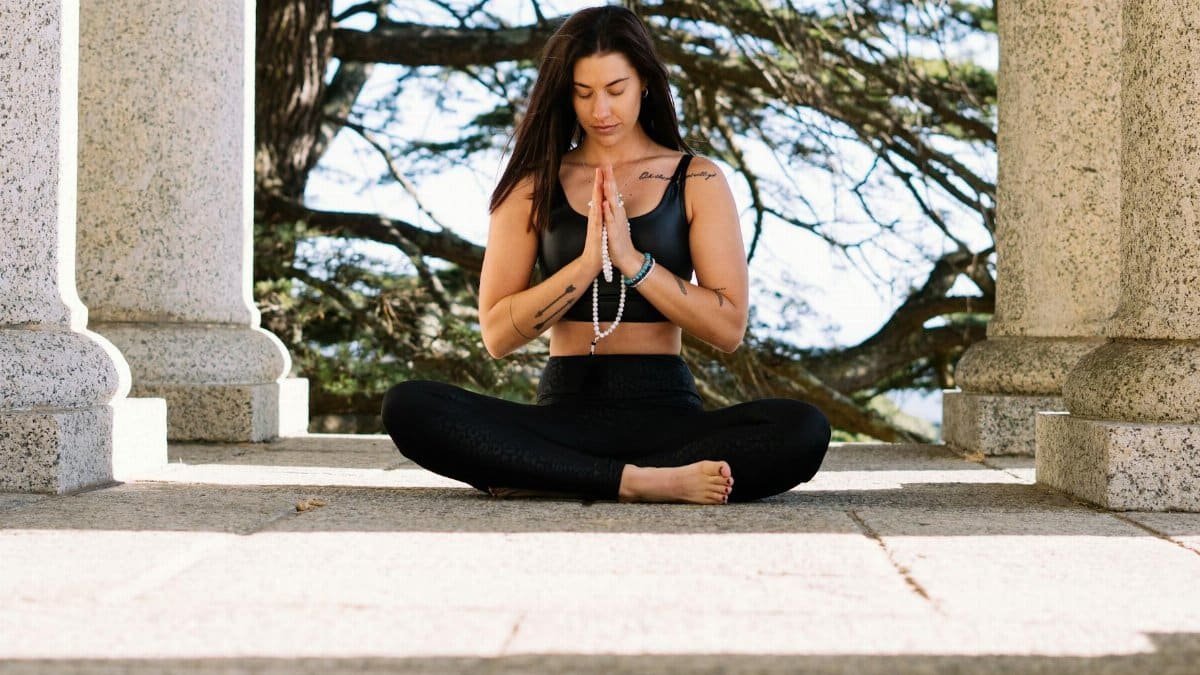
Breathwork refers to controlled breathing exercises designed to influence physical and mental states. Rooted in traditions like yoga and meditation, it involves techniques such as deep diaphragmatic breathing or rapid inhales and exhales. For many Americans, it’s a gateway to resilience mindfulness focus, helping regulate stress responses and improve emotional stability. Unlike passive relaxation, breathwork actively engages the nervous system, making it a practical tool for anyone seeking quick mental resets during hectic days.
The Science Behind Mental Clarity

Research backs breathwork’s impact on the brain. Studies show it activates the parasympathetic nervous system, reducing cortisol levels and boosting focus. A 2023 report from Harvard Medical School noted that consistent practice can enhance cognitive function by improving oxygen flow to the brain. This ties directly into resilience mindfulness focus, as users report better handling of setbacks. In 2025, with rising mental health concerns, these findings explain why professionals in high-stress jobs are adopting it.
For more details, check the Harvard Health Publishing on breath control.
Why Americans Are Embracing It Now

Post-pandemic stress has fueled breathwork’s popularity. With remote work blurring boundaries, people seek simple ways to reclaim control. A Pew Research Center poll from late 2024 found that 40% of respondents cited work-related anxiety as a top issue, driving interest in accessible wellness tools. Breathwork fits the bill: no equipment needed, sessions as short as five minutes. It’s especially appealing for building resilience mindfulness focus in urban settings where therapy access might be limited.
Daily Practices for Beginners

Starting is straightforward. Try the 4-7-8 technique: inhale for four seconds, hold for seven, exhale for eight. This method, popularized by Dr. Andrew Weil, calms the mind quickly. Americans often integrate it into morning routines for sustained focus throughout the day. Apps like Calm or Insight Timer guide users, making resilience mindfulness focus achievable without overwhelming commitment. Consistency is key; even brief daily sessions yield noticeable clarity.
Impact on Work and Productivity

In corporate America, breathwork is gaining traction for boosting output. Companies like Google offer workshops, recognizing its role in employee wellness. A study by the National Institutes of Health linked mindful breathing to reduced burnout and sharper decision-making. For individuals, it enhances resilience mindfulness focus during meetings or deadlines. In 2025, as hybrid work evolves, expect more professionals to rely on these techniques to maintain mental sharpness without caffeine crashes.
See the full study at NIH on mindfulness and stress reduction.
Overcoming Common Hurdles

Not everyone finds breathwork easy at first. Some struggle with consistency or feel lightheaded during sessions. Experts recommend starting slow and consulting a doctor if needed, especially for those with respiratory issues. Building resilience mindfulness focus takes time, but persistence pays off. Community classes or online forums provide support, helping Americans push through initial discomfort to unlock lasting mental clarity.
Breathwork vs. Other Mindfulness Tools

Compared to meditation or journaling, breathwork stands out for its immediacy. While meditation requires quiet space, breathwork can happen anywhere, like during a commute. A 2024 CDC report highlighted its edge in quick stress relief, appealing to time-strapped Americans. It complements other practices, amplifying overall resilience mindfulness focus. For those wary of stillness, breathwork offers an active alternative that delivers similar benefits.
Real Stories from Practitioners

Take Mark Thompson, a New York accountant who started breathwork after a burnout episode. “It cleared the fog,” he says. “Now I handle audits with laser focus.” Similar accounts flood wellness forums, from teachers managing classroom chaos to parents juggling family demands. These anecdotes underscore breathwork’s role in everyday resilience, making it a go-to for mental clarity across demographics.
Future Trends in Wellness
Looking ahead to 2025, breathwork is poised for mainstream integration. Virtual reality apps and wearable tech will track breathing patterns, personalizing sessions. Wellness experts predict a boom in corporate programs, driven by evidence of its efficacy. As Americans prioritize mental health, resilience mindfulness focus through breathwork will likely become as routine as exercise, offering a sustainable path to clarity and balance.
Getting Started Safely
To dive in, seek certified instructors via platforms like the International Breathwork Foundation. Begin with short sessions to avoid overwhelm. Track progress in a journal to note improvements in focus and calm. Remember, while breathwork is generally safe, those with conditions like asthma should consult professionals. With these steps, Americans can harness its power for enhanced mental resilience.