

In a world where burnout affects over 77% of U.S. workers, according to a 2023 Gallup poll, resilience calm meditation is emerging as a game-changer. This practice combines focused breathing techniques with mindfulness to build mental toughness and restore inner peace. As more Americans grapple with stress in 2025, experts say it’s not just hype—it’s a practical tool for reclaiming balance. From corporate execs to frontline workers, people are turning to these methods to combat exhaustion and boost productivity.
What Is Resilience Calm Meditation?
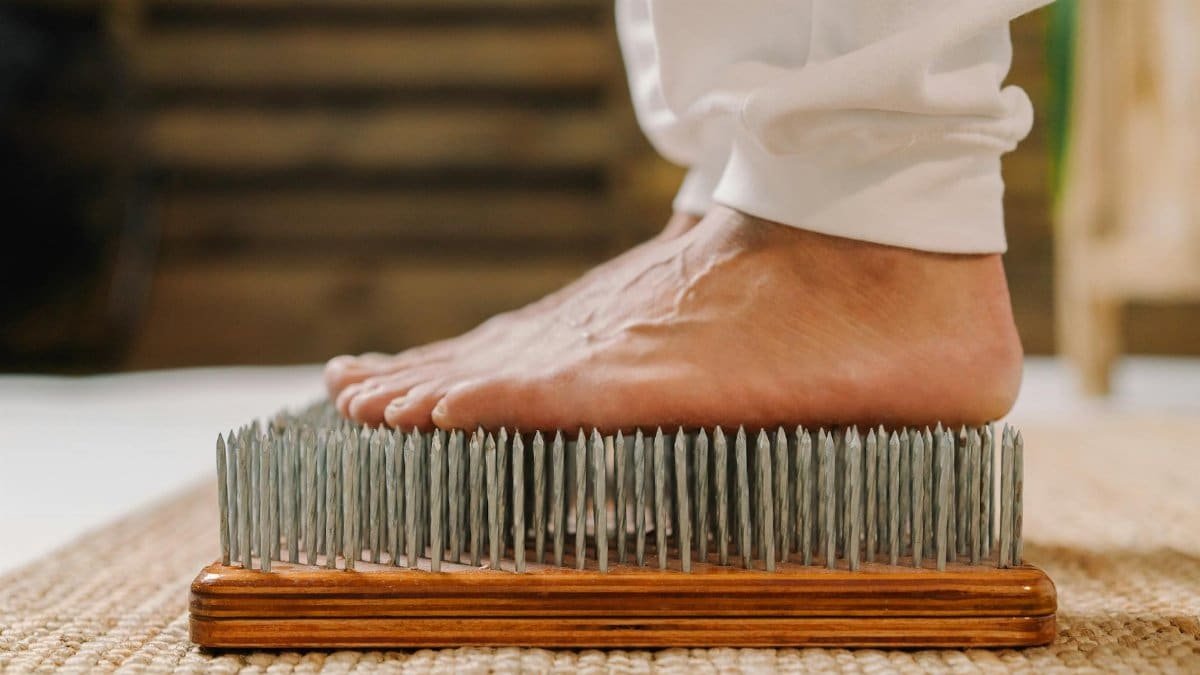
Resilience calm meditation blends breathwork with meditative focus to foster emotional strength and tranquility. It’s not your typical yoga session; it’s targeted breathing exercises designed to rewire your stress response. Practitioners inhale deeply, hold, and exhale slowly, promoting a state of calm amid chaos. This approach draws from ancient traditions but fits modern life, helping users bounce back from setbacks faster.
The Science Behind Breathwork and Burnout

Research shows breathwork activates the parasympathetic nervous system, reducing cortisol levels that fuel burnout. A study from Harvard Medical School highlights how controlled breathing lowers anxiety by 40% in participants. In 2025, with remote work blurring boundaries, this science-backed method offers real relief. It’s about shifting from fight-or-flight to rest-and-digest mode, essential for long-term well-being.
For more details, check the Harvard Health Publishing on breath control.
How It Builds Resilience
By practicing resilience calm meditation daily, individuals strengthen their ability to handle pressure. It teaches the mind to observe thoughts without judgment, turning potential breakdowns into breakthroughs. Therapists note that consistent sessions improve emotional regulation, making users less reactive to stressors. In high-stakes jobs, this resilience translates to better decision-making and sustained energy levels.
Practical Steps to Get Started

Begin with five minutes a day. Sit comfortably, close your eyes, and focus on your breath. Inhale for four counts, hold for four, exhale for six. Apps like Calm or Insight Timer guide beginners. Incorporate it into your morning routine or during lunch breaks. No fancy equipment needed, just commitment to the practice.
Real-Life Success Stories

Take tech worker Mike Johnson from Seattle. After hitting burnout in 2024, he adopted resilience calm meditation and reported 50% less fatigue within weeks. “It saved my career,” he says. Similar tales come from nurses and teachers nationwide, who use breathwork to manage overwhelming demands. These anecdotes underscore its accessibility and effectiveness.
Potential Challenges and How to Overcome Them
Not everyone finds it easy at first. Distractions or skepticism can hinder progress. Start small and track your mood improvements. If breathing feels uncomfortable, consult a doctor to rule out issues. Persistence pays off, as studies from the National Institutes of Health confirm mindfulness practices enhance mental health over time.
Explore the NIMH page on anxiety disorders for related insights.
Integrating It Into Daily Life

Make resilience calm meditation a habit by linking it to existing routines, like before bed or after workouts. In 2025, workplaces are increasingly offering breathwork sessions in wellness programs. Use it during commutes or meetings to maintain focus. The key is consistency, turning sporadic efforts into a lifelong tool for calm and resilience.
Expert Opinions on Its Effectiveness

Psychologist Dr. Elena Ruiz emphasizes, “Breathwork isn’t a cure-all, but it’s a powerful ally against burnout.” Backed by data from the American Psychological Association, experts agree it complements therapy and exercise. As stress levels rise, this practice stands out for its simplicity and proven results in fostering mental fortitude.
Comparing to Other Anti-Burnout Methods

Unlike quick fixes like caffeine boosts, resilience calm meditation addresses root causes. It outperforms generic relaxation apps by emphasizing breath control. While exercise helps physically, this method targets the mind directly. Users often combine it with journaling for amplified effects, creating a holistic defense against exhaustion.
Looking Ahead: Breathwork in 2025
With mental health awareness peaking, expect more research and apps refining resilience calm meditation. Companies like Google already integrate it into employee training. As burnout remains a top concern, this practice could become standard in schools and offices, helping millions achieve lasting calm and resilience.