

In a surprising twist, new data reveals that 68% of American families are incorporating healing mindfulness resilience techniques into their daily routines, up from just 40% five years ago. This shift, driven by rising stress levels post-pandemic, is transforming how parents and kids navigate emotional challenges. According to a recent survey by the American Psychological Association, these practices are fostering deeper family bonds and better mental health outcomes. As we head into 2025, this quiet revolution in self-inquiry is gaining momentum, offering simple tools for calm and focus amid chaos.
Understanding the Core of Healing Mindfulness Resilience
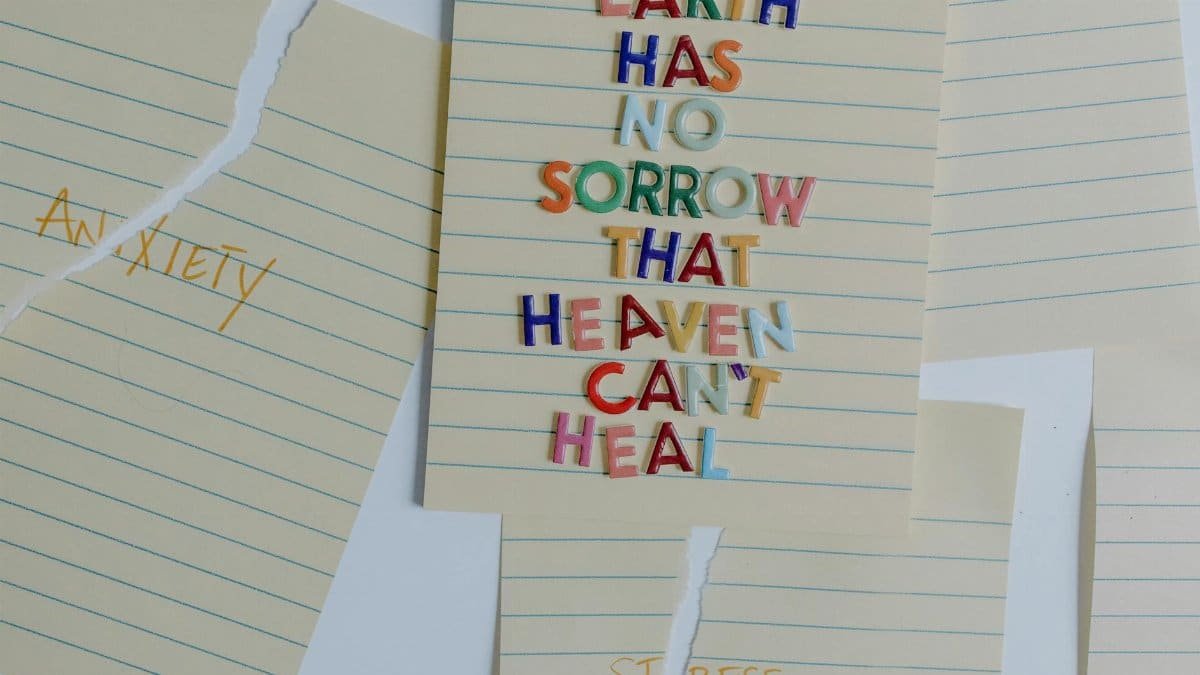
At its heart, healing mindfulness resilience combines present-moment awareness with the ability to bounce back from setbacks. It’s not just about meditation; it’s a practical framework for families to process emotions and build inner strength. Experts describe it as a toolkit for everyday life, helping parents model calm responses to tantrums or teenage angst. In the U.S., where family stress is at an all-time high, this approach is proving essential. A study from Harvard University highlights how mindfulness reduces anxiety by 30% in participants. For more details, check the Harvard Health Publishing on Mindfulness.
The Role of Self-Inquiry in Family Dynamics

Self-inquiry prompts families to ask tough questions like “What am I feeling right now?” This introspective habit is key to healing mindfulness resilience, encouraging open dialogues at the dinner table. In bustling households from New York to California, parents report fewer conflicts after adopting these methods. It’s about pausing before reacting, a skill that’s reshaping interactions. Real-life examples show kids learning to articulate frustrations, leading to stronger relationships. This trend aligns with 2025’s focus on mental wellness in education and home life.
Practical Applications for Busy Parents

Parents juggling work and kids can start small with healing mindfulness resilience. Simple breathing exercises during morning routines help set a peaceful tone. Apps and online resources make it accessible, with guided sessions tailored for family use. In urban areas, community centers are offering workshops, making these tools widely available. One mother in Chicago shared how a five-minute daily practice cut her stress in half, allowing more quality time with her children. Integrating this into family life builds long-term emotional fortitude.
Overcoming Common Challenges in Adoption
Not every family jumps in easily. Skepticism and time constraints often block the path to healing mindfulness resilience. Kids might resist, viewing it as “boring,” while parents feel overwhelmed. Experts suggest starting with fun activities, like mindful games or nature walks. Research from the National Institutes of Health shows consistent practice yields results within weeks. To explore evidence-based strategies, visit the NIMH on Anxiety Disorders, which discusses mindfulness interventions.
Impact on Children’s Emotional Development
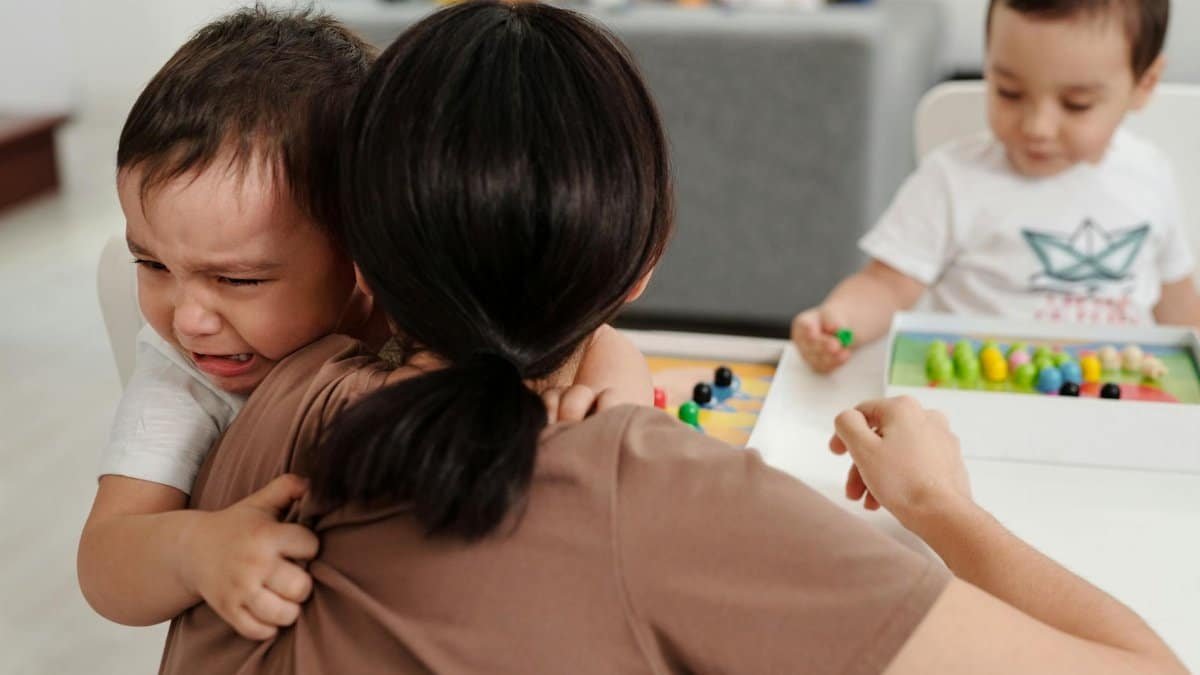
For kids, healing mindfulness resilience fosters empathy and self-regulation from an early age. Schools across the U.S. are integrating these elements into curricula, reporting fewer behavioral issues. A 2025 report indicates that resilient children perform better academically and socially. Parents notice their offspring handling disappointments with grace, a vital skill in today’s fast-paced world. This approach equips the next generation with tools to thrive, turning potential crises into growth opportunities.
Building Resilience Through Daily Habits

Consistency is crucial. Families build resilience by weaving mindfulness into routines, like gratitude sharing before bed. This habit strengthens emotional bonds and prepares everyone for life’s ups and downs. In rural and urban settings alike, these practices are bridging generational gaps. Therapists emphasize tracking progress, noting improvements in family cohesion. As 2025 unfolds, more households are embracing this for sustained well-being.
Community and Expert Support Systems
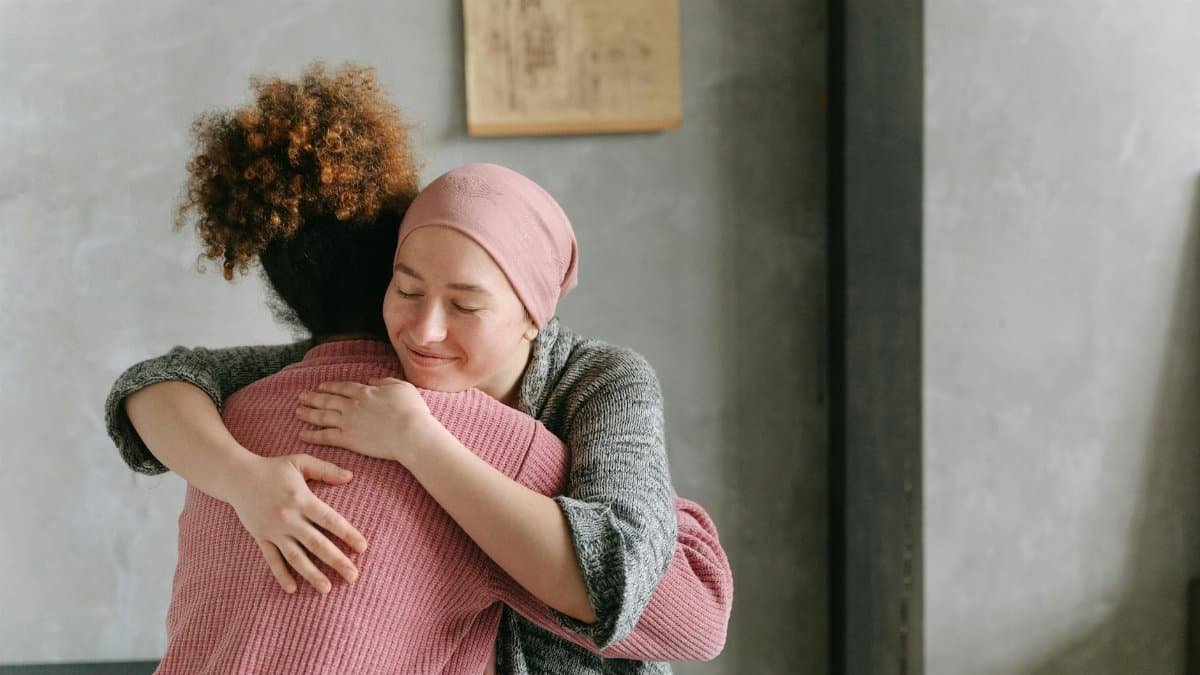
Beyond the home, support networks amplify healing mindfulness resilience. Online forums and local groups provide tips and encouragement. Psychologists like those at the Mayo Clinic advocate for professional guidance when starting out. Their resources offer structured programs for families. One expert noted, “It’s about collective healing.” This communal aspect is driving the rise, making self-inquiry a shared journey.
Measuring Long-Term Benefits

Over time, families see tangible gains: reduced arguments, better sleep, and heightened focus. Studies link these practices to lower rates of depression. In the U.S., with mental health crises on the rise, this is a game-changer. Tracking apps help quantify improvements, motivating continued effort. As we look at 2025 trends, the data supports widespread adoption for healthier family units.
Future Directions in Family Wellness

Looking ahead, innovations like virtual reality mindfulness sessions could enhance accessibility. Experts predict integration with tech will boost engagement, especially for tech-savvy kids. This evolution promises to deepen the impact of healing mindfulness resilience, ensuring families stay resilient in an unpredictable world. The quiet rise continues, one mindful moment at a time.