

A recent survey by the American Psychological Association found that nearly 40 percent of adults reported heightened stress levels in 2024, up from previous years, prompting many to seek simple tools for emotional steadiness. This surge highlights a growing interest in practices like breathwork resilience calm, which combines intentional breathing techniques with strategies for building inner strength and serenity amid daily chaos. As more people navigate demanding jobs, family pressures, and an ever-connected world, these methods offer accessible ways to foster emotional balance without requiring hours of commitment. From quick pauses during commutes to evening wind-down routines, integrating such actions can transform how we respond to life’s ups and downs. In 2025, with wellness trends emphasizing mental resilience, understanding these everyday steps becomes even more relevant for middle-aged Americans juggling multiple roles.
1. Start with Intentional Breathing Breaks

Imagine a busy morning where emails pile up and the coffee hasn’t kicked in yet. Instead of powering through, pausing for a deliberate breath can reset the mind. This action revolves around short, focused breathing exercises that anchor you in the present. For instance, the 4-7-8 technique, popularized by wellness experts, involves inhaling for four counts, holding for seven, and exhaling for eight. It’s not just a momentary escape; it builds resilience by training the body to shift from fight-or-flight mode to a calmer state.
Research supports this. A study from the National Institutes of Health shows how controlled breathing reduces cortisol levels, the hormone tied to stress. One participant in a related trial described it as “flipping a switch” on overwhelming thoughts. Over time, these breaks accumulate, fostering a sense of calm that permeates daily interactions. Try it during transitions, like before a meeting or after dropping kids at school. The key is consistency, turning sporadic moments into a habit that bolsters emotional equilibrium.
Of course, it’s not always seamless. Some days, distractions pull you away, but that’s where the resilience aspect shines, encouraging gentle persistence rather than perfection.
2. Incorporate Mindful Movement
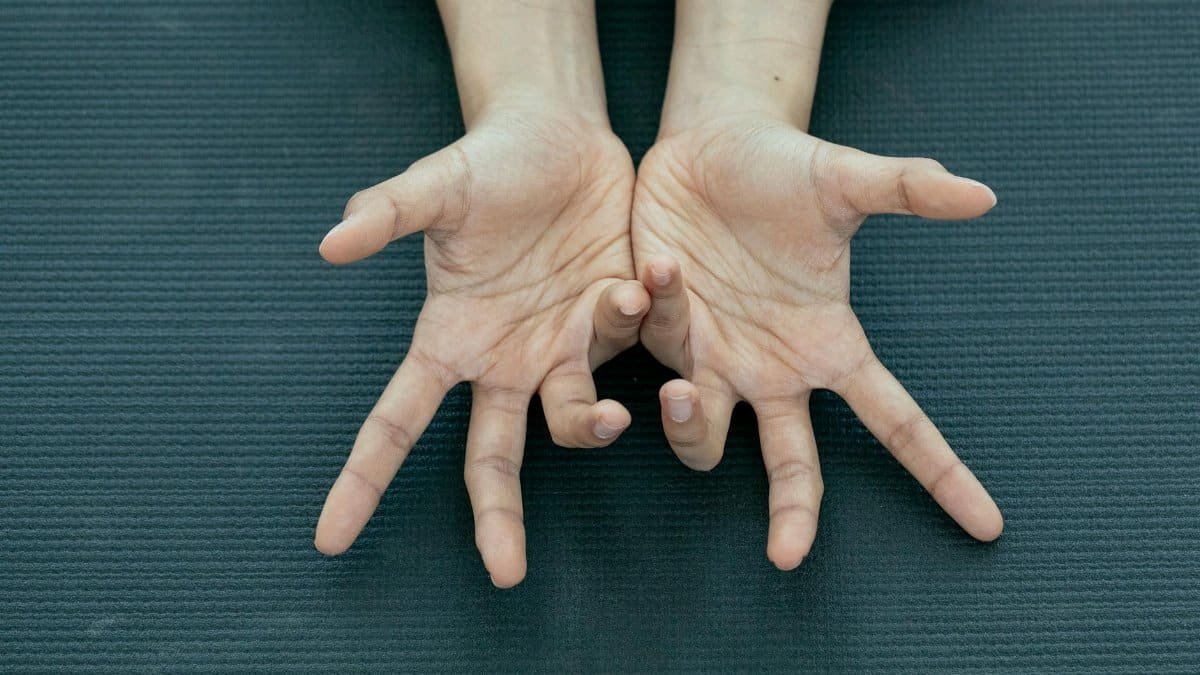
“I used to think exercise was just about fitness,” a midlife professional shared in an online forum recently, “but linking it with breath has changed everything for my mood.” This sentiment captures the essence of blending physical activity with breath awareness. Everyday actions like walking or gentle yoga can enhance emotional balance by syncing body and breath, promoting a flow state where worries fade.
Consider a brisk neighborhood stroll, focusing on each inhale and exhale. Studies from Harvard Medical School indicate that such mindful movement boosts endorphins while lowering anxiety. It’s practical for those with packed schedules; even 10 minutes counts. Picture weaving this into lunch breaks, feeling the ground underfoot and the rhythm of your breath steadying erratic thoughts.
Yet, the real power lies in its cumulative effect. Over weeks, this practice cultivates resilience, helping you bounce back from setbacks with greater ease. Avoid pushing too hard; listen to your body, and let calm emerge naturally from the motion.
3. Practice Daily Gratitude Reflection

What happens when you shift focus from what’s lacking to what’s present? This simple question underpins gratitude as an everyday action for emotional balance. By jotting down three things you’re thankful for each evening, you rewire the brain toward positivity, intertwining with breathwork to amplify calm.
A report from the Greater Good Science Center at UC Berkeley details how gratitude journaling correlates with improved mental health, reducing symptoms of depression by up to 35 percent in some groups. Pair it with a deep breath before writing, and it becomes a ritual of resilience. One anonymous account online recounted how this habit turned a stressful job into manageable days, noting the subtle calm that followed.
The beauty is in its accessibility. No special tools needed, just a notebook or app. As 2025 brings more emphasis on holistic wellness, this action stands out for its low barrier and high impact, helping middle-aged readers maintain steadiness amid life’s flux.
Challenges arise, like forgetting amid fatigue, but starting small builds momentum, revealing layers of inner strength over time.
4. Engage in Sensory Grounding Techniques

Sometimes, emotional turbulence feels abstract until you ground it in the senses. Touching a textured object or listening to ambient sounds while breathing deeply can pull you back to calm. This action draws on breathwork resilience calm by using immediate surroundings to foster presence.
Evidence from the Mayo Clinic underscores how sensory practices alleviate anxiety, with techniques like the 5-4-3-2-1 method, naming things you see, touch, hear, smell, and taste. It’s quick, fitting into moments of overwhelm, such as during a tense family dinner.
Envision a scenario: Traffic grinds to a halt, frustration builds. You focus on the steering wheel’s feel, your steady breaths, and suddenly, calm descends. This builds resilience by teaching the mind to redirect energy, not suppress it. For many, it’s a gateway to broader mindfulness, evolving from sporadic use to a daily anchor.
5. Limit Screen Time with Purposeful Pauses

In an era of constant notifications, carving out screen-free intervals emerges as a vital action. Set boundaries, like no devices after 8 p.m., and fill that space with breath-focused relaxation. This directly ties to cultivating calm, countering the digital overload that erodes emotional balance.
A Pew Research Center analysis reveals that excessive screen time contributes to sleep disruptions for over half of adults, exacerbating stress. By incorporating breathwork during these pauses, perhaps through guided apps or solo sessions, you reclaim mental space. One person’s shared experience highlighted the relief of “unplugging to breathe,” leading to deeper resilience against daily pressures.
Implementation varies; some start with weekends, others with mealtimes. The transition might feel jarring at first, but persistence yields a quieter mind, ready to handle life’s demands with poise. In 2025, as remote work persists, this action gains urgency for sustaining long-term well-being.
Reflect on how these pauses reveal underlying tensions, offering chances to address them through calm reflection.
6. Nurture Supportive Connections

Human bonds provide a buffer against isolation, and when infused with mindful breathing, they enhance emotional resilience. Reach out to a friend for a walk and talk, syncing conversations with relaxed breaths to deepen the exchange.
Findings from the Centers for Disease Control and Prevention link strong social ties to lower rates of mental health issues, emphasizing community in wellness. This action transforms casual interactions into opportunities for calm, like sharing a laugh while consciously breathing through any arising stress.
Think of a coffee meetup where you both pause to breathe before diving into topics. It fosters vulnerability, building collective strength. Not every connection will be profound, but the effort accumulates, weaving a net of support that bolsters individual calm.
Occasional missteps, like mismatched schedules, test resilience, yet they underscore the value of persistence in relationships.
7. End Days with Reflective Wind-Downs

Closing the day intentionally sets the stage for renewal. A wind-down routine, perhaps involving breathwork and light stretching, signals to the body that it’s time to release tensions, promoting sustained emotional balance.
Research published in the Journal of the American Medical Association supports evening routines for better sleep and mood regulation. Incorporate elements of breathwork resilience calm, like box breathing, to process the day’s events without judgment.
Visualize dimming lights, sitting quietly, and letting breaths guide you through reflections. This isn’t about erasing difficulties but building the calm to face them anew. For middle-aged readers, it counters accumulated life stresses, offering a gentle reset.
As patterns form, resilience grows, turning potential sleepless nights into restorative ones. Embrace variations, like adding soft music, to keep it fresh and effective.
These seven actions, woven into daily life, illuminate the path to emotional balance through breathwork resilience calm. They remind us that small, consistent steps can yield profound shifts, especially in a world that often demands more than we have to give. By prioritizing these practices in 2025, readers can cultivate a deeper sense of steadiness, ready for whatever comes next.