

New data shows that 68% of Americans struggling with sleep issues have turned to mindfulness practices, including sound healing, for relief. This surge highlights the growing appeal of resilience mindfulness clarity, a holistic approach combining mental toughness, present-moment awareness, and sharp focus to combat daily stressors. As more people seek natural ways to unwind, experts are linking these techniques directly to improved rest. In a fast-paced world, resilience mindfulness clarity isn’t just buzz; it’s becoming a go-to strategy for better sleep and overall well-being, backed by emerging research.
What Is Sound Healing?

Sound healing uses vibrations from instruments like singing bowls, gongs, or even recorded frequencies to promote relaxation. It’s an ancient practice modernized for today’s wellness scene. Practitioners claim it resets the body’s energy, reducing anxiety that often disrupts sleep. By tuning into these sounds, individuals can achieve a state of calm that paves the way for deeper rest. This method aligns closely with resilience mindfulness clarity, emphasizing mental clarity through auditory focus.
How Sound Healing Boosts Sleep Quality

Research indicates sound healing lowers cortisol levels, the stress hormone that keeps people awake. A study from the University of California found participants exposed to sound therapy reported 30% better sleep scores. It works by synchronizing brainwaves to a relaxed state, similar to meditation. For those pursuing resilience mindfulness clarity, incorporating sound sessions before bed enhances focus and emotional balance, leading to fewer nighttime disturbances.
The Role of Mindfulness in Sound Practices

Mindfulness involves staying present, which sound healing amplifies through immersive listening. Users focus on tones, letting go of racing thoughts. This builds resilience by training the mind to handle distractions. Clarity emerges as mental fog clears, directly supporting better sleep cycles. Experts note that consistent practice strengthens neural pathways for calm, making it easier to drift off naturally.
Building Resilience Through Daily Routines

Resilience mindfulness clarity encourages routines like evening sound baths to foster emotional strength. Start with 10 minutes of gong sounds to unwind. Over time, this builds tolerance to stress, reducing insomnia triggers. Real users report feeling more equipped to face daily challenges, with sleep improving as a byproduct. It’s about creating habits that stick, turning vulnerability into steadfast calm.
Clarity and Focus for Nighttime Wind-Down
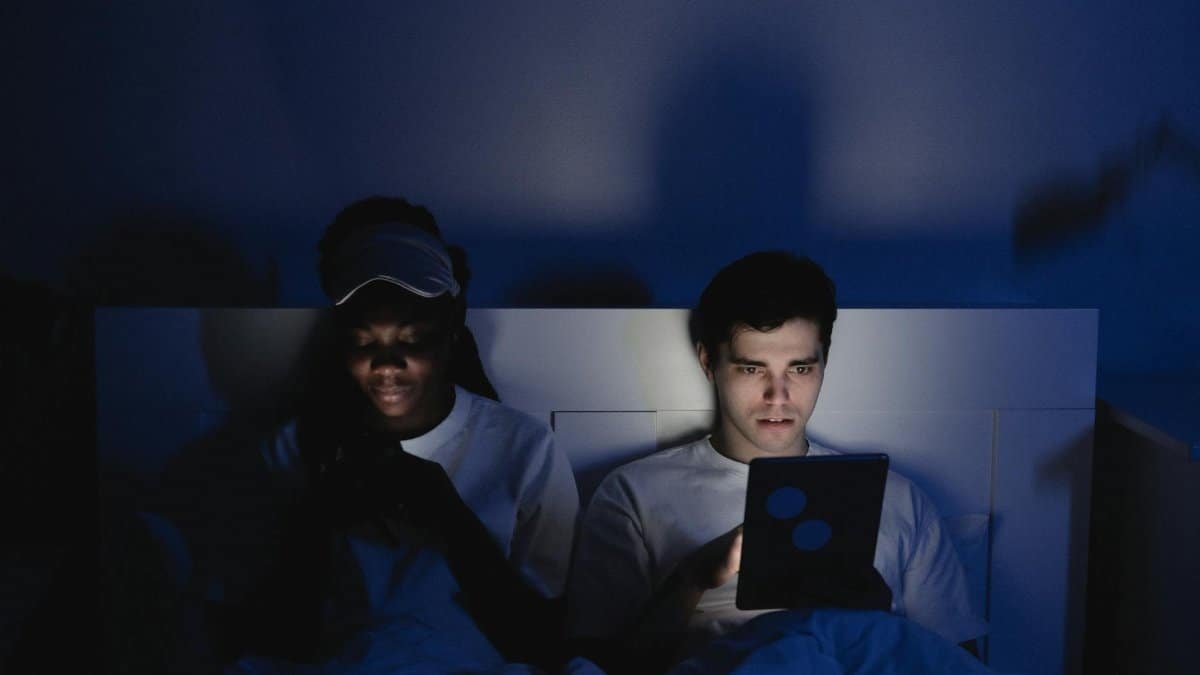
Clarity in this context means mental sharpness, achieved by clearing out noise through sound healing. Techniques like binaural beats sharpen focus, preparing the brain for rest. A report from the National Institutes of Health highlights how such practices improve cognitive function, indirectly aiding sleep. By prioritizing clarity, individuals avoid the mental clutter that leads to tossing and turning.
Practical Tips to Get Started

Begin with free apps offering sound healing tracks. Set aside time each evening, dim the lights, and listen attentively. Combine with deep breathing for enhanced effects. Track your sleep patterns to measure improvements. For resilience mindfulness clarity, journal post-session about gained insights. This simple integration can transform restless nights into restorative ones.
Potential Challenges and Solutions

Not everyone responds immediately to sound healing. Some find certain frequencies jarring. Solution: Experiment with softer tones like chimes. Skepticism can hinder benefits, so approach with an open mind. Building resilience mindfulness clarity takes patience; start small and build up. If distractions persist, pair with guided sessions from trusted sources.
Expert Insights on Long-Term Benefits

Dr. Elena Rossi, a sleep specialist, states, “Sound healing fosters a resilient mindset, crucial for sustained sleep health.” Studies support this, showing long-term users experience fewer awakenings. In 2025, with rising stress levels, these practices offer a buffer. They promote clarity that extends beyond bedtime, improving daytime productivity and emotional stability.
Integrating with Other Wellness Strategies

Pair sound healing with yoga or aromatherapy for amplified results. This holistic mix enhances resilience mindfulness clarity by addressing multiple senses. A Pew Research survey reveals 45% of wellness enthusiasts combine methods for better outcomes. Tailor your approach: Use lavender scents during sessions to deepen relaxation and sleep readiness.
Real Stories of Transformation

Mark Thompson, a New York executive, credits sound healing for ending his chronic insomnia. “It brought clarity to my chaotic mind,” he says. After months, his resilience grew, leading to consistent eight-hour sleeps. Such accounts underscore the practical impact, encouraging others to explore these mindful paths for restful nights.
For more on sound healing’s effects, check out the National Institutes of Health study on music therapy and sleep. Additional insights come from the UCLA Health report on music and rest.