
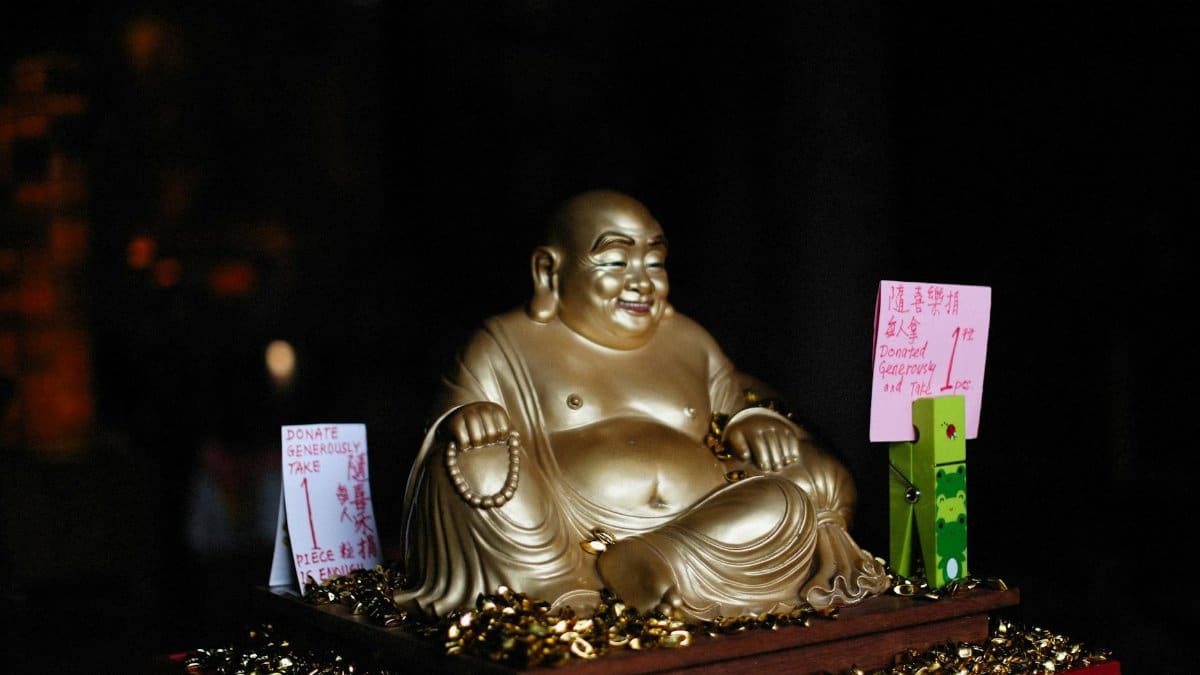
A recent study from the National Institutes of Health showed that nearly 18% of American adults practiced meditation in 2022, up from just 4% a decade earlier. That surge points to something deeper. People are seeking ways to cut through the noise of daily life. Stress levels remain high, with work demands and digital distractions pulling focus in every direction. Enter focus calm mindfulness, a practice that blends meditation’s core elements to foster sharper attention and inner peace. It’s not just a trend. For many, it’s a lifeline. But how do you know if it’s time to give it a try? Recognizing certain signs can guide that decision. These indicators often reveal when the mind craves a reset, pointing toward meditation as a simple yet powerful tool.
1. Constant Mental Chatter

The brain never stops. Thoughts race from one worry to the next, even during downtime. This relentless inner dialogue disrupts sleep and productivity. One woman, juggling a corporate job and family in Chicago, described it as “a radio that won’t turn off.” She found herself replaying conversations late at night, unable to unwind. Such patterns signal a need for meditation. Practices like focused breathing can quiet that noise, building what experts call cognitive resilience. Research from Harvard Medical School highlights how regular meditation reduces activity in the brain’s default mode network, the area tied to mind-wandering. Over time, this leads to clearer thinking. Imagine sitting for just ten minutes, noticing thoughts without judgment. It shifts the dynamic. No longer reactive, the mind learns to observe. In 2025, with remote work blurring boundaries, this sign feels especially relevant. Many report similar struggles in online discussions, where one anonymous user shared feeling “trapped in a loop of what-ifs” until trying guided sessions.
2. Overwhelming Stress Responses

Stress hits hard and lingers. A minor setback spirals into full-blown anxiety. Heart races, shoulders tense, and focus evaporates. This isn’t rare. According to a report by the American Psychological Association, chronic stress affects over 70% of U.S. adults, often manifesting in physical symptoms like headaches or fatigue. Meditation steps in as a counterbalance, promoting focus calm mindfulness through techniques that activate the body’s relaxation response. Picture a teacher in Atlanta, facing classroom chaos daily. She noticed her reactions growing sharper, snapping at small frustrations. Starting with short mindfulness exercises, she rebuilt her emotional buffer. Studies support this. A meta-analysis published in JAMA Internal Medicine found meditation significantly lowers cortisol levels, the hormone linked to stress.JAMA Internal Medicine Study. It’s about training the nervous system to pause. Breathe in, hold, exhale slowly. These moments accumulate, turning reactivity into steadiness. As economic pressures mount in 2025, recognizing this sign early can prevent burnout.
3. Difficulty Staying Present

The present moment slips away too easily. During conversations, the mind drifts to tomorrow’s tasks. Meals pass without tasting the food. This disconnection erodes joy and relationships. Experts at the University of California, Berkeley’s Greater Good Science Center note that mindfulness practices enhance present-moment awareness, combating what they term “attentional drift.” Consider a father in Seattle, scrolling through his phone at his kid’s soccer game. He realized he was missing the cheers and the grass underfoot. Meditation helped him anchor back. It starts small: noticing the sensation of footsteps during a walk. A study from the center links such habits to improved emotional regulation.Greater Good Science Center on Mindfulness. But it’s not always straightforward. Some days, distractions win. That’s the tension: progress comes unevenly, yet persistently. In a world of constant notifications, this sign urges a deliberate reclaiming of now.
4. Persistent Fatigue Despite Rest

Sleep happens, but energy lags. Mornings feel heavy, afternoons drag. It’s not just physical tiredness; mental exhaustion weighs in. This paradox often stems from unaddressed emotional loads. The National Sleep Foundation reports that poor focus and calm contribute to suboptimal rest, creating a vicious cycle. Meditation addresses it by fostering restorative states. Think of a nurse in New York, working long shifts amid ongoing healthcare strains. She slept eight hours but woke drained. Incorporating evening meditation, she tapped into focus calm mindfulness, easing into deeper relaxation. Evidence from the NIH underscores how mindfulness-based interventions improve sleep quality.NIH on Meditation and Mindfulness. Sessions might involve body scans, releasing tension from toes to scalp. Results vary; some notice shifts quickly, others gradually. Yet the practice builds resilience. With hybrid work models evolving in 2025, this fatigue sign highlights meditation’s role in sustainable energy.
5. Strained Relationships

Interactions turn tense without clear reasons. Patience wears thin, leading to misunderstandings. Small comments spark big reactions. This relational friction often mirrors internal unrest. A Pew Research Center survey reveals that interpersonal stress has risen, with many citing communication breakdowns. Meditation cultivates empathy and listening skills, key to focus calm mindfulness. Envision a couple in Denver, arguing over trivial matters like chores. One partner began meditating, learning to respond thoughtfully rather than impulsively. It transformed their dynamic. Research from Pew supports broader trends in emotional well-being.Pew Research on Mental Health. But change requires consistency. Start with loving-kindness exercises, sending well-wishes mentally. It’s subtle yet profound. Conflicts don’t vanish, but they lose their edge. As social isolation lingers post-pandemic, this sign points to meditation’s interpersonal benefits.
6. Creative Blocks and Lack of Inspiration
Ideas stall. Projects that once excited now feel daunting. This creative drought frustrates artists, writers, and professionals alike. The mind needs space to innovate, yet clutter blocks the way. Studies from Stanford University show meditation enhances divergent thinking, sparking originality. A graphic designer in Los Angeles hit a wall, staring at blank screens for hours. Through daily mindfulness, she cleared mental fog, inviting fresh perspectives. It’s like tilling soil for new growth. Focus calm mindfulness practices, such as open-monitoring meditation, encourage this openness. A Stanford review details the neural mechanisms involved.Stanford on Meditation and Stress. Challenges arise: doubt creeps in during quiet moments. Push through, and breakthroughs follow. In 2025’s innovation-driven economy, spotting this sign can unlock untapped potential.
7. Yearning for Deeper Meaning

Life feels mechanical, lacking purpose. Routines satisfy basics but not the soul. This subtle discontent whispers for more. It’s a call to introspection, often ignored amid busyness. The Mayo Clinic emphasizes how mindfulness fosters a sense of connection and meaning. Reflect on a retiree in Florida, post-career and adrift. Meditation revealed inner insights, reframing his days. He described it as “uncovering layers I’d forgotten.” Practices like insight meditation delve into this. A Mayo overview links it to improved life satisfaction.Mayo Clinic on Mindfulness Exercises. Yet it’s not all serenity; confronting emptiness can unsettle. That’s part of the journey. With cultural shifts toward wellness in 2025, this sign invites exploration. Meditation isn’t a cure-all, but it opens doors to profound shifts, blending focus, calm, and awareness into everyday living.