
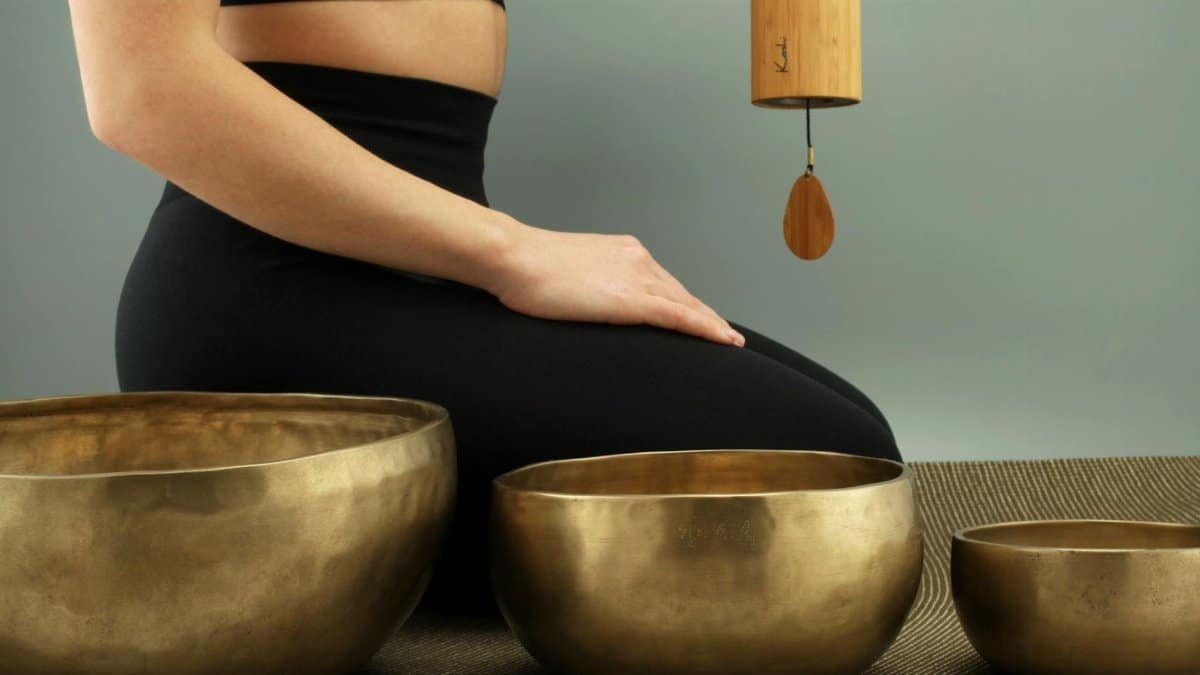
In a fast-paced world, more Americans are turning to sound healing to achieve emotional balance. New data from a 2024 survey by the National Center for Complementary and Integrative Health reveals that 18% of U.S. adults now incorporate sound-based practices into their wellness routines, up from 12% five years ago. This surge highlights a growing interest in meditation calm clarity, where sound vibrations from gongs, bowls, and chimes help quiet the mind and foster inner peace. Experts say it’s not just a trend; it’s a response to rising stress levels in 2025, offering a simple path to mental resilience without medication or therapy sessions.
The Rise of Sound Healing in America

Sound healing has exploded in popularity across the U.S., with studios popping up in cities like New York and Los Angeles. Practitioners use instruments like Tibetan singing bowls to create vibrations that resonate with the body’s energy centers. This ancient practice, rooted in Eastern traditions, is now embraced by busy professionals seeking quick emotional relief. A report from the National Center for Complementary and Integrative Health notes that participants often report reduced anxiety after just one session. In 2025, apps and online classes make it accessible, drawing in millennials and Gen Z who prioritize mental health.
How Sound Healing Promotes Calm

At its core, sound healing induces a state of deep relaxation by synchronizing brainwaves. The low-frequency sounds slow down racing thoughts, mimicking the effects of traditional meditation. Users describe a wash of calm that lingers for hours. Research from Harvard Medical School supports this, showing that sound therapy can lower cortisol levels, the hormone tied to stress. For Americans juggling work and family, this method provides an efficient way to unwind, often in group settings or solo at home with recorded sessions.
Achieving Clarity Through Vibrational Therapy
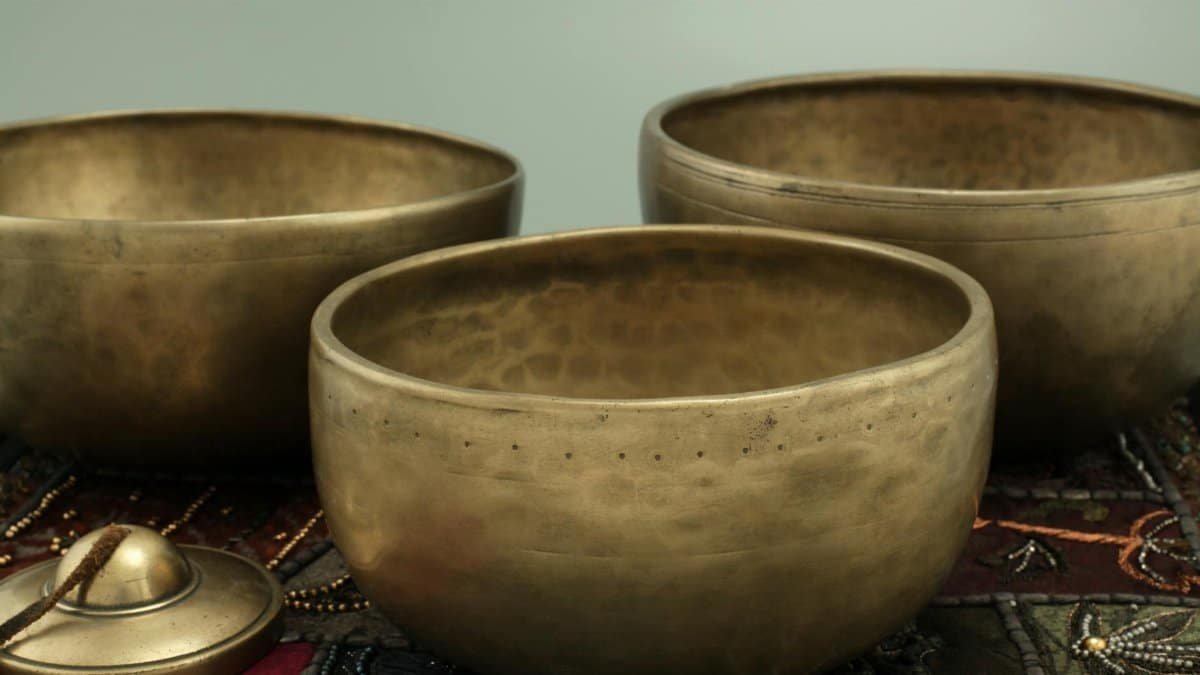
Clarity emerges as mental fog lifts during sound healing. The rhythmic tones help focus the mind, clearing out distractions and enhancing decision-making. Therapists explain that vibrations align chakras, leading to sharper intuition. A study published in the Journal of Evidence-Based Integrative Medicine found that regular sessions improved cognitive function in participants. In the U.S., where information overload is common, this practice appeals to those needing mental sharpness amid daily chaos.
Emotional Balance: The Key Benefit

Emotional balance is the standout draw for many Americans choosing sound healing. It helps regulate moods by releasing pent-up emotions through sound waves. Practitioners report fewer mood swings and greater resilience to life’s ups and downs. According to data from the American Psychological Association, stress-related disorders affect over 40 million adults, making non-invasive options like this increasingly vital. Sessions often end with participants feeling centered and ready to face challenges.
Integrating Sound Healing with Daily Meditation

Combining sound healing with meditation amplifies benefits, creating a routine for sustained calm and clarity. Start with five minutes of listening to crystal bowl sounds before traditional sitting meditation. This hybrid approach is gaining traction in wellness circles, with retreats offering immersive experiences. U.S. trends show a 25% increase in hybrid practices, as per industry reports. It suits beginners who find silent meditation intimidating, providing an auditory anchor to maintain focus.
Challenges and Misconceptions

Despite its appeal, sound healing faces skepticism. Some dismiss it as pseudoscience, but emerging evidence counters that view. Common challenges include finding qualified instructors or dealing with initial discomfort from intense vibrations. Misconceptions abound, like assuming it’s only for spiritual types, yet it’s adaptable for skeptics too. Education is key; resources from reputable sources help demystify the practice and encourage informed participation.
Real-Life Stories from Practitioners
Take Mark Johnson, a Chicago executive who credits sound healing for his turnaround. After burnout, he attended weekly sessions and found renewed energy. “It cut through the noise in my head,” he says. Similar accounts flood social media, with users sharing transformations in emotional stability. These anecdotes, backed by growing clinical interest, illustrate why Americans are flocking to this method in 2025.
Accessibility and Cost Considerations
Sound healing is more accessible than ever, with free YouTube videos and affordable group classes starting at $20. High-end retreats can cost hundreds, but community centers offer low-cost options. In rural areas, online platforms bridge the gap. This democratization aligns with U.S. wellness trends, where affordability drives adoption. Experts predict even broader reach as insurance begins covering complementary therapies.
Scientific Backing and Future Prospects

Science is catching up, with studies exploring sound’s impact on the nervous system. Preliminary research indicates potential for treating PTSD and depression. As 2025 unfolds, expect more integration into mainstream healthcare. With Americans prioritizing mental wellness, sound healing stands poised for continued growth, offering a harmonious route to emotional balance.