

In a world that often feels like it’s spinning too fast, what if the key to regaining control was as simple as the air we breathe? Breathwork, an ancient practice gaining modern traction, promises more than just relaxation—it’s a pathway to what many describe as healing resilience clarity, that profound state where emotional wounds mend, inner strength builds, and mental fog lifts. Across the U.S., from bustling New York offices to quiet California retreats, people are turning to controlled breathing techniques to navigate life’s chaos. But how do you know if it’s time to give it a try? Recent surveys show a surge in interest, with millions seeking tools for better focus and calm amid ongoing uncertainties. This isn’t about fleeting trends; it’s about recognizing subtle signals your body and mind send, urging a deeper engagement with your breath to foster lasting well-being.
1. Persistent Stress That Won’t Let Go

Stress has become a constant companion for many Americans in 2025, amplified by economic pressures and digital overload. If you find yourself gripped by anxiety that lingers long after the workday ends, it might be a sign that breathwork could help unlock healing resilience clarity. Consider how shallow breathing patterns exacerbate tension, trapping the body in a fight-or-flight mode. Breathwork, through techniques like diaphragmatic breathing, encourages a shift to restorative states.
One woman in her forties, juggling a demanding job and family life in Chicago, shared anonymously in an online discussion how her evenings were plagued by racing thoughts. “It was like my mind was a hamster wheel,” she recalled. After incorporating just ten minutes of guided breathwork daily, she noticed a tangible release—muscles loosening, worries fading. This isn’t unusual; research from the National Institutes of Health highlights how intentional breathing activates the parasympathetic nervous system, reducing cortisol levels. For a deeper dive, check out this NIMH overview on stress management, which underscores breathing’s role in building resilience.
Yet, it’s not always straightforward. Some people resist breathwork at first, dismissing it as too simplistic. But starting small, perhaps with a basic 4-7-8 inhale-hold-exhale pattern, can reveal its power. Over time, this practice fosters clarity, helping you discern true stressors from fleeting ones. In essence, if stress feels like an unshakeable shadow, breathwork offers a light to guide you toward healing.
2. Emotional Overwhelm in Daily Interactions

Picture a heated argument with a loved one that leaves you drained, replaying words in your head for hours. If emotional overwhelm like this disrupts your relationships or productivity, breathwork might be calling your name. It cultivates healing resilience clarity by teaching you to pause and recenter, transforming reactive impulses into thoughtful responses.
Drawing from observations in mindfulness programs across the U.S., participants often report breakthroughs after breath-focused sessions. Take the case of a middle-aged teacher in Texas who felt constantly on edge with her students’ demands. She described a moment during a breathwork workshop where, amid deep inhales, a wave of calm washed over her, clarifying her boundaries. “Suddenly, I could see my anger wasn’t about them—it was my exhaustion,” she noted. Such stories align with findings from Harvard Medical School, where studies show breathwork enhances emotional regulation. Explore this Harvard Health Publishing article on breathwork benefits for more insights.
The beauty lies in its accessibility. No need for fancy equipment; a quiet corner suffices. Yet, challenges arise when emotions run deep, requiring patience to build the habit. Gradually, though, this practice strengthens resilience, allowing you to navigate feelings with greater ease and insight.
3. Difficulty Concentrating Amid Distractions

In an era of endless notifications and multitasking demands, if your focus scatters like leaves in the wind, breathwork could sharpen your mental edge. This sign points to a need for healing resilience clarity, where breath acts as an anchor, pulling fragmented thoughts into alignment.
Experts note that Americans in 2025 are reporting higher levels of distraction, fueled by remote work and social media. Breathwork counters this by promoting mindfulness, as evidenced in a Pew Research Center survey on digital habits. One anonymized account from a public forum captured it well: a freelance writer in Seattle struggled with deadlines until breathwork sessions helped him “tune out the noise and tune into my ideas.” The shift brought not just productivity but a deeper sense of inner healing.
Delving into the science, controlled breathing increases oxygen flow to the brain, enhancing cognitive function. A study from the University of California, detailed in this UCLA Health report on breathwork and stress reduction, supports how it fosters clarity. Start with box breathing: four counts in, hold, out, hold. It might feel awkward initially, but persistence reveals its clarifying power, building resilience against daily chaos.
Of course, not every distraction yields easily. External factors like noisy environments can test your resolve, yet integrating breathwork into routines—say, before meetings—creates a buffer. Ultimately, it’s about reclaiming your attention for a more centered life.
4. Physical Tension and Unexplained Aches
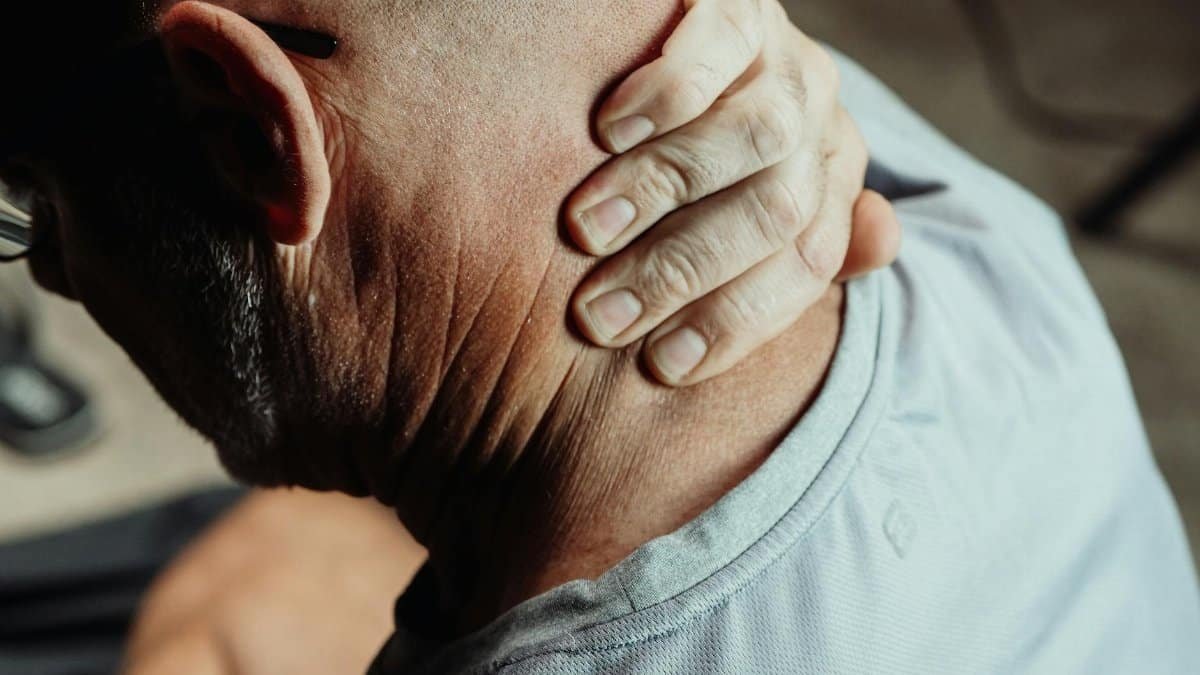
When your body holds onto tension like a tightly coiled spring, manifesting as headaches or back pain without clear cause, it’s often a cry for breathwork. This practice addresses healing resilience clarity by releasing stored stress, promoting physical and emotional recovery.
Across U.S. wellness circles, from yoga studios in Miami to corporate retreats in Denver, people are discovering breath’s therapeutic potential. Imagine a construction worker in his fifties, plagued by chronic shoulder knots from years of labor. Through pranayama techniques, he found relief, describing it as “unwinding years of built-up pressure.” His experience echoes broader trends, backed by the Centers for Disease Control and Prevention’s data on stress-related health issues.
Linking to reliable research, the American Psychological Association explores how breathwork alleviates somatic symptoms. See this APA resource on mindfulness and meditation, which includes breathing’s impact on physical well-being. The process involves scanning the body during breaths, noting and releasing tightness. It’s simple, yet profound, fostering resilience as you learn to listen to your body’s signals.
Resistance might come from skepticism—how can air fix aches? But consistent practice often converts doubters, revealing clarity in how mind and body interconnect. In 2025, with rising awareness of holistic health, this sign urges many to explore breathwork’s healing depths.
5. Seeking Deeper Self-Understanding

If you’ve been pondering life’s bigger questions, feeling a vague dissatisfaction despite outward success, breathwork can illuminate paths to healing resilience clarity. It invites introspection, peeling back layers to reveal authentic insights.
In reflective communities nationwide, from book clubs in Atlanta to online groups, individuals share how breathwork sparked self-discovery. One such narrative involved a retired engineer in Oregon who, during extended breathing exercises, confronted long-buried regrets. “It was like a fog lifted, showing me what truly mattered,” he reflected. This aligns with therapeutic approaches emphasizing breath as a gateway to the subconscious.
Supporting evidence comes from NIH-funded studies on mindfulness practices. For specifics, refer to this NCCIH page on mindfulness and its benefits, highlighting breathwork’s role in fostering emotional clarity. Techniques like alternate nostril breathing balance energies, aiding resilience in facing personal truths.
Yet, the journey isn’t always comfortable; vulnerability surfaces. Starting gently, perhaps with journaling post-session, helps integrate revelations. Over time, this builds a sturdy foundation of self-awareness, essential in today’s introspective climate.
6. Desire for Sustainable Calm in Turbulent Times

Amid global uncertainties and personal upheavals, if you’re craving a steady sense of peace that endures, breathwork stands as a reliable ally. It nurtures healing resilience clarity, equipping you to weather storms with poise.
Observations from resilience workshops in cities like Boston reveal participants gaining tools for long-term calm. A single mother in Philadelphia, navigating post-pandemic challenges, found solace in daily breath rituals. “It became my anchor,” she said, transforming chaos into manageable waves. Such accounts resonate with 2025 trends toward sustainable wellness practices.
Scientifically, breathwork modulates the autonomic nervous system, as outlined in a comprehensive review from Johns Hopkins Medicine. Dive into this Johns Hopkins guide to breathing techniques for practical advice. By practicing consistently, you cultivate clarity that sustains through adversity, enhancing overall resilience.
Challenges include maintaining commitment amid busy schedules, but even brief sessions yield benefits. As more Americans embrace this, breathwork emerges not as a quick fix, but a lifelong companion for balanced living.