
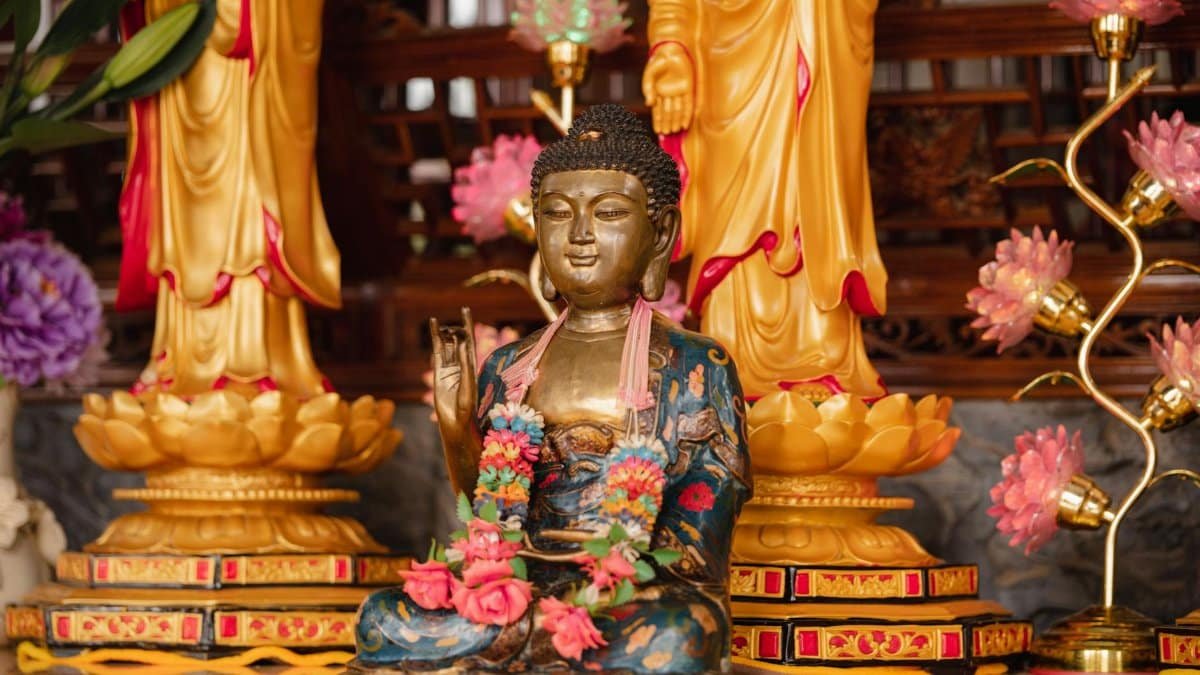
The Link Between Meditation and Inner Peace

New data shows 70% of Americans report higher stress levels in 2025, but meditation offers a proven escape. A recent survey from the American Psychological Association reveals that regular mindfulness practices cut anxiety by up to 40%. This ties directly into clarity mindfulness calm, a state where focused breathing and present-moment awareness foster mental sharpness and serenity. As more people seek balance amid daily chaos, meditation emerges as a simple tool for inner peace. Experts say it’s not just trendy; it’s essential for modern life.
Understanding Meditation Basics

Meditation starts with the fundamentals. Sit comfortably, close your eyes, and focus on your breath. This practice builds over time, training the mind to stay present. In the U.S., apps like Headspace and Calm have surged in popularity, with millions downloading them last year. The goal? Achieve a sense of calm that clears mental fog. Research from Harvard Medical School supports this, showing meditation rewires the brain for better focus. It’s straightforward: dedicate five minutes daily, and watch distractions fade.
How Mindfulness Enhances Clarity

Mindfulness sharpens mental clarity by cutting through noise. Practitioners learn to observe thoughts without judgment, leading to sharper decision-making. A study published in the Journal of Cognitive Enhancement found that just eight weeks of mindfulness training boosted cognitive function in participants. This clarity isn’t abstract; it helps in workplaces across America, where employees report improved productivity. By anchoring attention to the now, mindfulness dismantles overwhelming worries, paving the way for precise thinking.
The Role of Calm in Daily Life

Calm acts as the foundation for emotional stability. In hectic urban settings like New York or Los Angeles, people turn to meditation to reclaim peace. Techniques such as body scans reduce physical tension, promoting relaxation. The National Institutes of Health notes that consistent practice lowers blood pressure and eases chronic stress. For many, this calm translates to better sleep and relationships. It’s practical: integrate short sessions during commutes or breaks to maintain equilibrium throughout the day.
Scientific Backing for Inner Peace

Science confirms meditation’s link to inner peace. Neuroimaging studies show reduced activity in the brain’s fear center after meditation. A landmark report from the National Center for Biotechnology Information highlights how mindfulness alters neural pathways, fostering tranquility. In 2025, with rising mental health concerns, these findings drive adoption. Therapists recommend it alongside therapy, emphasizing its role in building resilience against life’s pressures.
Common Challenges and Solutions

Not everyone finds meditation easy at first. Distractions and impatience often arise. Start small: beginners should aim for guided sessions via apps. Experts from the Mayo Clinic suggest consistency over perfection. If the mind wanders, gently redirect focus. Many Americans face this hurdle, but persistence pays off. Over time, these challenges diminish, leading to deeper states of calm. Track progress in a journal to stay motivated.
Practical Applications in Work and Home

Apply meditation at work for better focus during meetings or deadlines. Brief breathing exercises combat office stress, enhancing performance. At home, family meditation sessions build collective calm, strengthening bonds. A Pew Research Center survey indicates 55% of U.S. parents use mindfulness to manage household chaos. In 2025, remote workers especially benefit, using it to separate professional and personal life. These applications make inner peace accessible, not elusive.
Expert Tips for Beginners

Beginners should set realistic goals. Choose a quiet spot and time, free from interruptions. Focus on breath: inhale deeply, exhale slowly. Incorporate clarity mindfulness calm by visualizing a clear mind. The American Psychological Association advises starting with 10 minutes daily. Join online communities for support. Avoid forcing results; let peace unfold naturally. With practice, it becomes a habit that transforms routines.
Long-Term Benefits Explored

Over months, meditation yields lasting gains. Users report sustained emotional balance and reduced reactivity to stressors. Longitudinal studies show lower depression rates among practitioners. In the U.S., wellness programs in schools and corporations promote it for long-term health. This builds a foundation for lifelong inner peace, countering the fast pace of 2025 life. It’s an investment: regular practice compounds benefits, leading to profound personal growth.
Real Stories of Transformation

Take John from Chicago, who started meditating after a burnout scare. “It brought clarity I didn’t know I needed,” he says. His experience echoes thousands nationwide. Similarly, a teacher in Texas credits mindfulness for handling classroom demands with calm. These anecdotes, backed by data, illustrate meditation’s power. They show how everyday people achieve inner peace, turning skeptics into advocates through tangible changes.
Integrating Practices for Balance

Combine meditation with other habits for amplified effects. Pair it with yoga or journaling to deepen clarity mindfulness calm. Nutrition and exercise complement this, creating holistic balance. U.S. health trends in 2025 emphasize integrated wellness, with apps tracking progress. Start by scheduling sessions, then expand. This integration ensures calm permeates all aspects of life, from mornings to evenings, fostering enduring peace.